Common Misconceptions About Reman Powertrains
Intro
Powertrain reman is one of the most widely offered reman services in the heavy truck industry. Because engines and gearboxes are familiar failure points, fleet teams rely heavily on reman powertrains to cut CAPEX. But many buyers carry wrong assumptions about what reman powertrain work includes.
These misconceptions lead to poor sourcing decisions, unexpected downtime and disputes over warranty coverage. A reman engine is not automatically equal to a new engine. Nor is every overhauled engine a genuine reman unit. Separating fact from myth helps you match powertrain specifications to your duty cycle and TCO targets.
Misconception 1: Any Overhauled Engine Counts as Reman
This is the most common mistake. A basic overhaul replaces worn gaskets, piston rings and bearings after a breakdown. The technician fixes the known fault and puts the engine back into service.
Genuine reman powertrain work follows a fixed rule set, not a fault-fix workflow. It starts with full teardown down to every single component. All parts are cleaned, measured and screened against acceptance baselines. Mandatory fatigue parts are replaced regardless of visual condition. It includes bench load testing, not just reassembly and startup.
Overhaul restores function to a broken unit. Reman resets the powertrain’s lifecycle with documented safety margins. Many sellers label simple overhauls as “reman” to command a higher price.
Misconception 2: A Reman Powertrain Delivers the Same Rated Duty as New
Buyers often assume a reman engine will continuously run at the OEM’s maximum power and torque rating, just like a factory-new unit. This is not guaranteed.
The acceptance baseline depends on the condition of the original core. If the crankshaft, block or cylinder head has minor acceptable wear or material history limits, the engineering team may assign a conservative operating envelope. It may still produce rated peak power on the bench, but continuous heavy cyclic duty limits can be reduced.
Bench power readings only show peak performance. The certified duty rating accounts for fatigue life under repeated thermal and mechanical stress. A reman powertrain can run strong while still requiring limits on extended high-load operation.
Misconception 3: If It Looks Clean, It Must Be Fully Remanufactured
Cosmetic finishing is cheap and easy to apply. Steam cleaning, new paint and polished exterior covers can make an engine look brand new. This visual polish does not mean internal components were all inspected or renewed.
A shop can clean the outside, swap the outer gaskets and leave the original crankshaft, camshaft and timing components untouched. The engine looks great, but the fatigue cycle of those critical internal parts continues. Only internal inspection logs, dimensional reports and NDT records prove the core was properly evaluated.
Surface appearance is never a valid quality check for powertrain reman.
Misconception 4: All Internal Parts Must Be Replaced in Reman
Many buyers believe reman means every component inside the engine or gearbox gets swapped for new parts. That is incorrect.
Genuine reman sorts components into three groups. Qualified reusable cores pass NDT, dimensional and hardness checks. They can be reconditioned, honed or surfaced and returned to the build. Mandatory renewal parts such as seals, bearings, valve springs and friction linings are always replaced. Parts that fail inspection criteria are scrapped.
The goal is verification, not universal replacement. A crankshaft that passes all testing is a valid reusable core. Replacing good, tested cores unnecessarily would drive up cost without adding safety benefit.
Misconception 5: Bench Testing Equals Real-World Load Validation
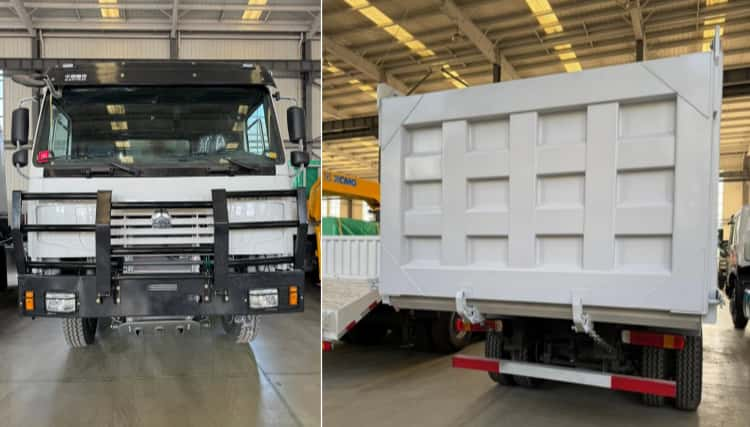
Reman powertrain suppliers routinely run bench tests. They check idle stability, peak power, oil pressure and leak points. Bench testing is valuable, but it is not identical to how the powertrain operates inside a whole truck.
A powertrain that performs perfectly on a standalone bench can fail early once installed. The root cause is system-level mismatch. Driveline misalignment, poor chassis mounting, exhaust backpressure or cooling system defects create vibration and thermal stress that the bench cannot replicate.
Component-level powertrain reman only validates the assembly itself. Whole-truck reman adds system calibration and loaded chassis testing to catch these integration risks. This is a critical distinction between component reman and full truck reman.
Misconception 6: Reman Powertrains Always Have Shorter Warranty
This is a partial truth that is often overgeneralized. It is true that some low-grade overhaul shops offer very short warranties. But certified reman powertrains can carry structured warranty terms aligned with their certified duty envelope.
Warranty length is not the marker of quality. The warranty fine print matters far more. Many cheap powertrain warranties exclude load-related failures, overheating damage and fatigue cracks. Reputable reman programs tie warranty coverage to documented inspection records and defined operating limits. If the unit is used within its envelope, the warranty provides reliable protection.
Misconception 7: Reman Powertrains Are All Lower-Quality Budget Options
A lot of procurement teams treat reman powertrains as a compromise choice for low-priority trucks. This is not always the case.
A properly executed reman powertrains follows the same engineering tolerances as OEM rebuild standards. It can deliver thousands of stable operating hours when matched to the correct workload. For many fleets, a certified reman powertrain delivers far better TCO than buying new, especially for mid-cycle heavy haul assets.
The risk is not the reman concept itself. The risk is unregulated, undocumented rebuilds marketed as reman.
What to Verify Before Sourcing a Reman Powertrain?
Ask the supplier for these proof items before committing to purchase.
Request full teardown and component sorting records. Check NDT and dimensional inspection reports for crankshaft, block, camshaft and gear housing. Confirm the list of mandatory renewal parts that were installed. Review bench test data including power curve, oil pressure and thermal stability. Clarify the certified duty envelope and warranty exclusions. If the powertrain will be fitted into a reman truck, confirm it is calibrated to the chassis system.
Final Takeaway
Reman powertrains quality is defined by rules, inspection and traceability — not by appearance or peak power numbers. The biggest misconceptions mix up overhaul, cosmetic refresh and genuine rule-based reman.
A reman engine or transmission can be a high-value asset for your fleet. But you need to verify its inspection baseline, component screening and operating limits. Without supporting documentation, you cannot confirm whether you are buying a lifecycle-reset powertrain, or just a cleaned-up overhauled unit.