
Heavy Remanufactured Truck Market Obstacles & Hidden Risks
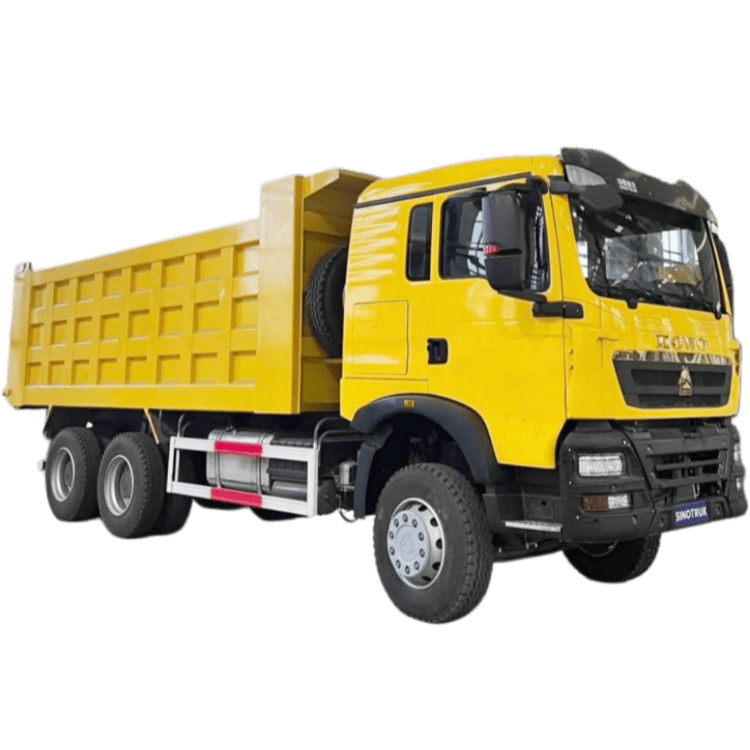
REMAN HEAVY TRUCK OVERVIEW
The fast‑growing demand for heavy duty reman trucks has spawned a disorder‑ridden marketplace. Many unregulated workshops blur the boundary between superficial refurbishment and formal industrial remanufacturing. A great number of hidden mechanical flaws, non‑standard assembly procedures and incomplete service policies remain undisclosed to overseas fleet buyers. Recognising commonplace market obstacles and concealed risks helps transportation companies stay away from low‑grade refurbished trucks and select qualified certified heavy remanufactured truck.
TABLE OF CONTENTS
- Confused Definition Between Simple Refurbishment and Industrial Remanufacturing
- Unregulated Production Procedures and Uneven Vehicle‑to‑Vehicle Quality
- Undetected Structural Fatigue and Concealed Safety Hazards
- Severe Information Asymmetry and Absent Quality Trace‑Up Records
- Lack of Formal Warranty and Reliable After‑sales Support
- Misleading Price Competition and Long‑term Comprehensive‑cost Burden
- The Role of REMAN ROAD in the Truck Remanufacturing Industry
RELATED ARTICLES | CLICK TO VIEW MORE
- Current-Day Reman Truck Industry Status | Global Market & Trend Analysis
- Heavy Remanufactured Truck Market Obstacles & Hidden Risks
- How REMAN ROAD Solves Heavy Reman Truck Market Pain Points?
- Core Advantages of Purchasing Remanufactured Trucks From REMAN ROAD
- REMAN ROAD Brand Positioning, Vision and Long-Term Development Layout
- REMAN ROAD After-Sales Service & Warranty System
Confused Definition Between Simple Refurbishment and Industrial Remanufacturing
The biggest‑rooted obstacle of the sector is mixed‑up product concepts. Unscrupulous suppliers market cosmetically‑refinished second‑hand trucks as professionally heavy remanufactured truck.
Low‑end renovation stays only on cosmetic processing
Low‑end merchants only carry out surface repainting, exterior cleaning and replacement of several obvious broken‑down components. They skip full‑vehicle disassembly, metal‑fatigue inspection and chassis‑straightening work.
Buyers lack effective ways to distinguish product categories
Buyers lack professional identification methods. They judge truck quality merely by outward‑looking appearance and low price, and mistakenly purchase short‑lived refurbished trucks under the label of heavy reman trucks for sale.
Unregulated Production Procedures and Uneven Vehicle‑to‑Vehicle Quality
Without unified OEM‑aligned manufacturing specifications, informal repair shops rebuild every heavy‑duty truck according to random operating habits, creating inconsistent performance.
Small‑scale workshops follow random assembly workflows
Unlicensed workshops adopt random assembly workflows. Engine calibration, transmission matching and chassis balance testing are often omitted during renovation.
Unstable vehicle quality brings unpredictable breakdown risks
Each finished‑outcome truck carries different hidden defects, which brings unpredictable breakdown risks for long‑distance haulage and high‑intensity mining transport.
Undetected Structural Fatigue and Concealed Safety Hazards
Surface‑level renovation cannot eliminate invisible metal fatigue, frame deformation and ageing internal components, which constitute severe traffic‑safety threats.
Invisible structural defects cannot be spotted from outer appearance
Most ordinary refurbished trucks retain bent frames, worn‑out bearings and fatigued axle assemblies that cannot be spotted from the outside.
Latent defects trigger serious failures under heavy‑load operation
These latent flaws may trigger sudden brake failure, engine power loss and frame cracking under heavy‑load working conditions, causing fleet downtime losses and road accidents.
Severe Information Asymmetry and Absent Quality Trace‑Up Records
Ordinary sellers keep production details confidential, and purchasers are unable to check the complete rebuilding history of heavy‑duty trucks.
Unregulated suppliers refuse to provide complete production files
Unofficial suppliers do not supply inspection reports, component‑replacement logs and bench‑test records.
Buyers bear blind‑side risks during equipment procurement
Buyers cannot confirm whether key wear‑parts have been renewed, and they take on blind procurement risk.
Lack of Formal Warranty and Reliable After‑sales Support
Most small‑scale rebuilding workshops run one‑off sales services and refuse to take responsibility for post‑sale equipment faults.
One‑time sales mode transfers all risks over to buyers
Once trucks break down during transportation, fleets need to afford expensive maintenance fees and face long‑term vehicle‑stop losses.
No dedicated technical‑support team for emergency troubleshooting
There is no dedicated technical‑support team to handle emergency breakdown troubleshooting.
Misleading Price Competition and Long‑term Comprehensive‑cost Burden
Low‑price refurbished trucks attract plenty of buyers, yet they create higher spending over the whole service cycle.
Low‑priced refurbished trucks have frequent mechanical failures
Cheap refurbished trucks suffer frequent failures, frequent component‑replacement work and shortened service life.
Low initial cost converts into massive long‑term operating losses
Low upfront purchasing cost will turn into high‑cost losses from maintenance, delayed shipments and traffic‑accident risks.
The Role of REMAN ROAD in the Truck Remanufacturing Industry
Against the backdrop of rapid standardization and iterative upgrading of the global truck remanufacturing industry, REMAN ROAD acts as a professional industrial remanufacturing brand.
REMAN ROAD effectively solves the industry’s long-standing pain points of uneven quality, non-standard processes and missing after-sales guarantee, bridging the gap between low-end rough refurbishment and high-standard industrial remanufacturing, and delivering standardized, traceable and cost-effective heavy-duty equipment remanufacturing solutions for global buyers.
Standardized Industrial Remanufacturing Benchmarking:
- REMAN ROAD strictly follows OEM-grade full-process remanufacturing specifications, implementing complete vehicle disassembly, deep industrial cleaning, precision structural correction, full vulnerable parts renewal and professional bench testing.
- It eliminates the informal construction and hidden structural defects common in the traditional refurbishment market, unifies the technical standards for heavy-duty truck remanufacturing, and guides the industry to develop in a standardized and high-quality direction.
Solving Industry Quality & Credibility Pain Points:
- Targeting the market chaos of mixed quality and unguaranteed performance, REMAN ROAD builds a complete full-process quality traceability system. Every reman truck for sale retains complete inspection data, process records and test reports, realizing transparent quality control.
- REMAN ROAD thoroughly distinguishes industrial remanufacturing from rough refurbishment, effectively improving the overall market credibility of remanufactured heavy trucks.
Balancing Fleet Cost & Operational Safety:
- REMAN ROAD’s core advantage lies in balancing near-new vehicle performance and low fleet renewal costs.
- On the premise of eliminating all chassis fatigue, power attenuation and hidden safety hazards, it provides high-reliability remanufactured trucks for sale that adapt to long-term heavy-load transportation.
- It helps global fleets reduce equipment procurement and subsequent maintenance costs while ensuring driving safety and operational stability.
Promoting Industry Green & Sustainable Development:
- Adhering to the circular economy concept, REMAN ROAD maximizes the reuse of qualified truck frames, core power assemblies and chassis structures, greatly reducing raw material waste and carbon emissions compared with new vehicle manufacturing.
- REMAN ROAD practices low-carbon industrial production, complies with global environmental policies, and drives the sustainable upgrading of the truck remanufacturing industry.
Improving Reman Industry After-Sales Service System:
- Different from small workshops with no after-sales guarantee, REMAN ROAD supports standardized warranty services and professional technical after-sales responses.
- REMAN ROAD makes up for the industry’s incomplete service system, solves fleets’ worries about subsequent equipment operation and maintenance, and further standardizes the industry’s service threshold and operating norms.