Reman Traceability: The Paperwork Proof of Certified Truck Reman
Intro
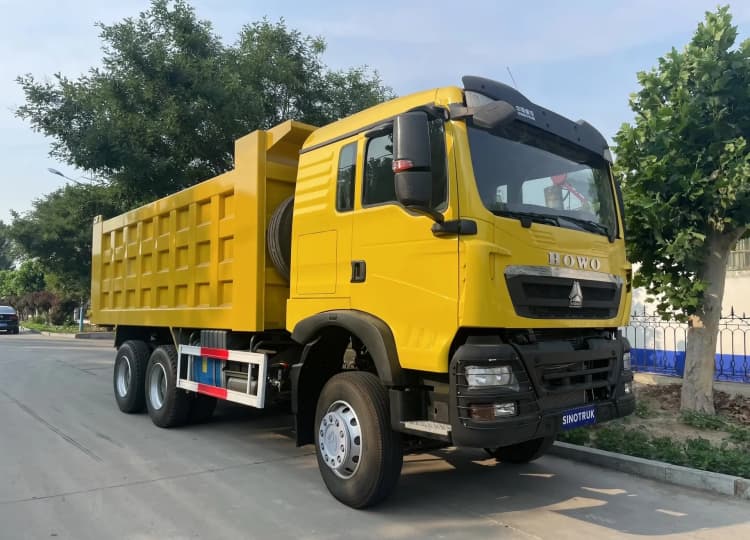
A shiny, freshly painted truck looks convincing at first glance. But surface finish tells you nothing about the work performed inside the chassis. Any shop can clean, repaint and reassemble a used truck. Only certified truck reman comes with a complete traceability trail that proves every required step was completed.
Reman traceability is not an optional extra document handed over after delivery. It is the continuous, linked record that follows the truck through the full reman workflow. It turns marketing claims about full teardown, NDT testing and part renewal into auditable facts. For fleet buyers, this paperwork is the difference between trusting a promise and verifying an engineered asset reset.
What Traceability Covers in Certified Truck Reman?
The reman traceability record is anchored to the truck’s unique VIN. Every action, measurement and component decision attaches back to this single identifier.
It starts with the incoming core assessment. Service history, prior overload records, accident damage and baseline dimensional checks are logged before disassembly begins. This sets the starting condition of the asset.
Next, the full teardown record captures confirmation that all assemblies, brackets and fasteners were separated. Photos and inspection logs prove no load-bearing joint remained sealed and unexamined.
Component sorting records mark every removed part. Each entry states whether the item is a qualified reusable core, mandatory replacement, or scrap for recycling. For reusable cores, NDT scan results, thickness readings and dimensional measurements are attached.
Mandatory renewal records list all fatigue parts swapped out during the build. This includes U-bolts, seals, bearings, brake friction components and hydraulic sealing elements. There is no ambiguity about which high-risk parts were renewed by rule.
System calibration and final testing close out the file. Driveline alignment, suspension geometry, brake balance, hydraulic performance and loaded test data are all documented. The final certified duty envelope is also stored in this record.
Why Visual Evidence Alone Never Replaces Traceability?
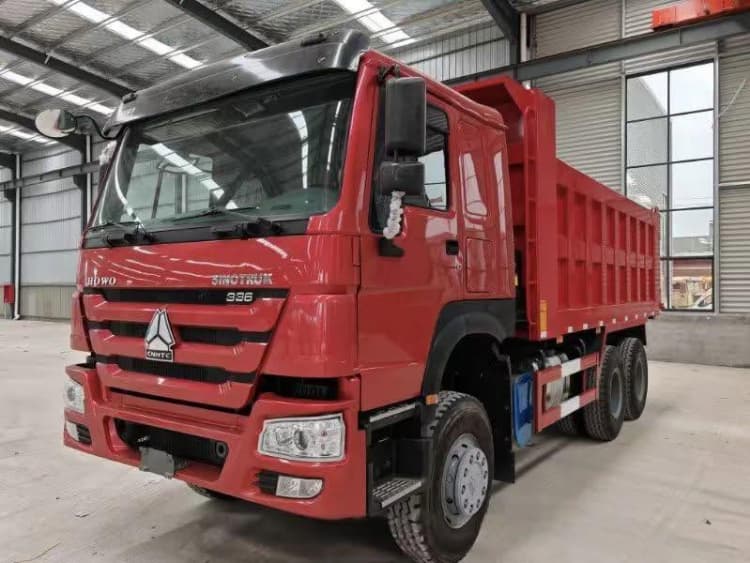
Photos and walkaround videos only capture what you can see. They cannot show scans taken on bare frame rails before reassembly. Once brackets and paint go back on, the inspection evidence is hidden again.
A remanufacturing supplier can show you a video of the truck running around the yard. That only proves empty-yard function. It does not prove NDT fatigue screening, corrosion mapping or loaded validation took place.
Cosmetic refurbishment and cheap rebuilds can produce great-looking trucks. They simply cannot generate this full chain of inspection paperwork. Reman traceability is the only independent proof that the process followed certified truck reman rules.
How Reman Traceability Supports Four Key Fleet Needs?
First, it supports safety and risk management. If a structural concern arises later, the fleet can go back to the original inspection data. You can confirm which welds were scanned, what corrosion limits were found, and what safety margin was assigned. This is critical for site safety compliance and incident reviews.
Second, it protects warranty validity. Most genuine reman warranty terms are tied to the documented duty envelope and completed inspection steps. If you operate within the certified limits, the reman traceability log is your baseline evidence for any future claim. Without records, warranty disputes almost always favour the supplier.
Third, it improves TCO planning and residual value. When the truck’s second lifecycle is fully documented, its remaining service life is predictable. Future buyers can review the reman traceability file when you resell or reassign the asset. Well-documented reman trucks hold stronger residual value than undocumented rebuilt units.
Fourth, it enables supplier audits. When you qualify a new reman vendor, you can spot-check records against the published acceptance baseline. Consistent, complete reman traceability shows their workflow is rule-based, not technician-dependent.
Common Weaknesses In Low-Grade Traceability
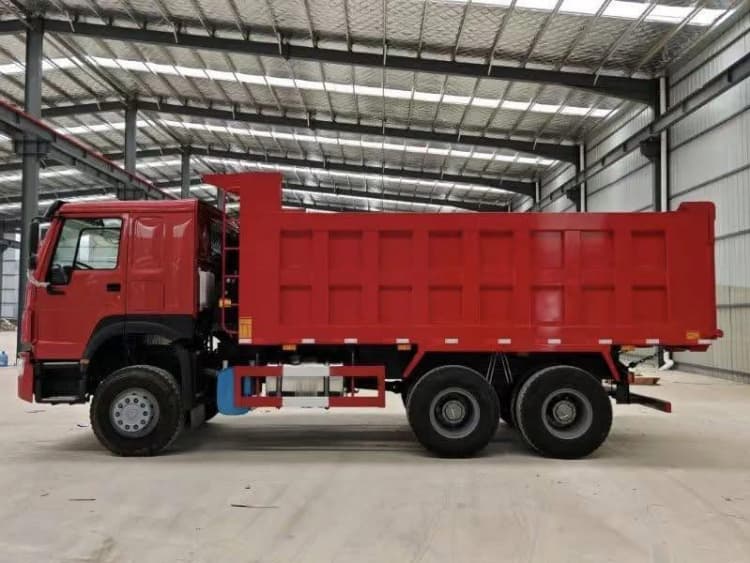
Many remanufacturing suppliers offer partial paperwork that looks official but has gaps. They may provide only an invoice, a short test report, or photos of the finished truck. This is not full traceability.
Some only track the remanufactured engine or axle, not the whole chassis. That is component-level traceability, not whole-vehicle reman traceability. The frame, welds and suspension brackets remain unlogged.
Other remanufacturing suppliers store records loosely, with no permanent VIN linkage. If the file is lost, altered, or cannot be reproduced on request, the traceability chain breaks. Certified truck reman traceability must be immutable and retrievable for the full second lifecycle.
What To Request From Your Remanufacturing Supplier?
When reviewing a reman truck package, ask for access to the full traceability bundle.
Confirm the file is linked to the VIN of the exact unit you are buying. Check for records of full teardown, NDT fatigue scans and corrosion thickness measurements. Verify logs for mandatory part renewal and loaded performance testing. Ask whether the certified duty envelope is included in the documentation.
A reputable provider can share these records before purchase. Remanufacturing suppliers who delay, restrict or refuse access to inspection logs are hiding gaps in their truck reman process.
Final Takeaway
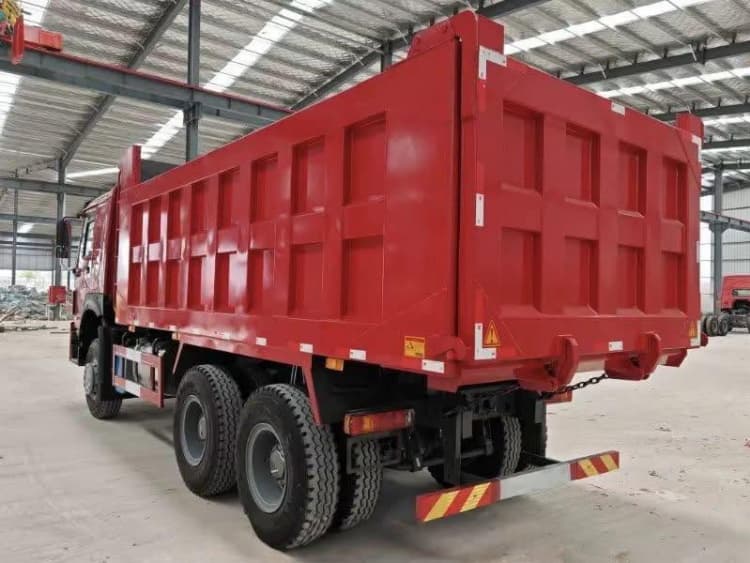
Reman traceability is the paperwork backbone of genuine reman. It records every critical engineering decision from core intake through final loaded validation. Paint and smooth operation show surface quality. Traceability proves the hidden structural and mechanical work was completed to standard.
If a reman truck comes without a complete, VIN-linked traceability trail, you cannot confirm it received a true lifecycle reset. For fleet procurement teams, this document package is just as important as the truck itself.