The Definition of a Qualified Core for Heavy Duty Truck Reman
Intro
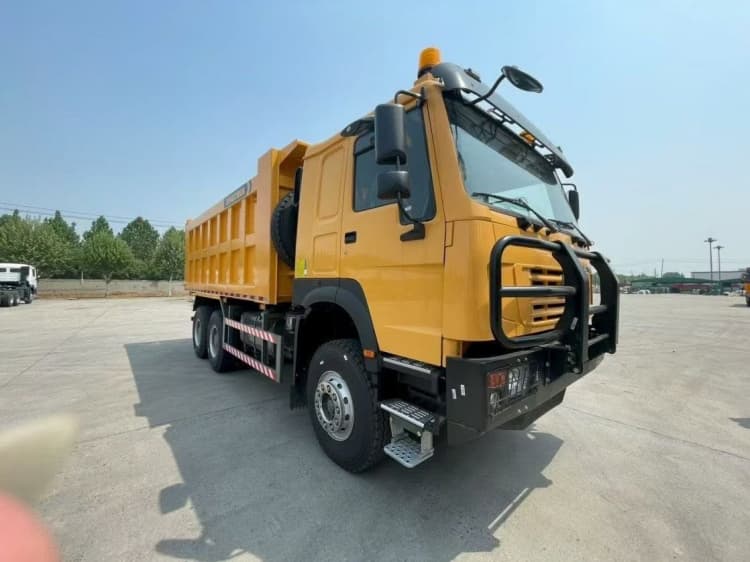
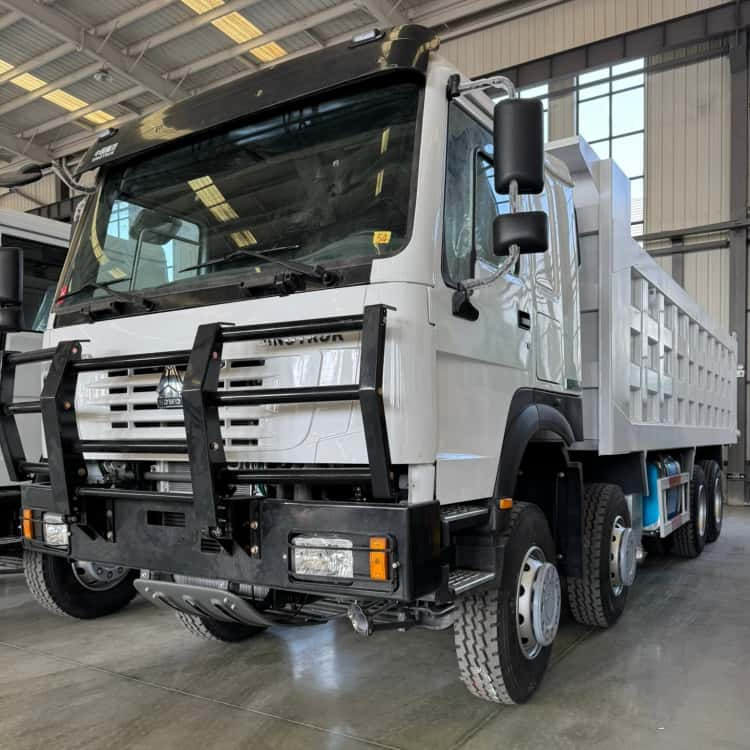
Every heavy duty truck remanufacturing project starts with core intake. A core is the used truck or bare chassis that will go through the full rule-based truck reman workflow. Not every retired truck is eligible to become a qualified reman truck.
Many buyers assume any old truck with a solid frame is a good core. But qualified core status is not based on appearance or whether it still starts. It is a data-driven classification, judged against fixed acceptance rules before disassembly, inspection and investment. Choosing the wrong core wastes reman labour, creates hidden safety risks and delivers poor TCO outcomes for fleets.
The core principle of core qualification
A qualified core holds enough remaining material reserve to support a defined second lifecycle. After full teardown, cleaning, NDT fatigue screening and corrosion measurement, it can be remanufactured to a stable, auditable certified duty envelope.
If the baseline inspection shows irreversible damage that cannot be remediated under heavy duty truck reman rules, the unit is disqualified. It will be routed for part harvesting or metal recycling, rather than heavy duty truck remanufacturing.
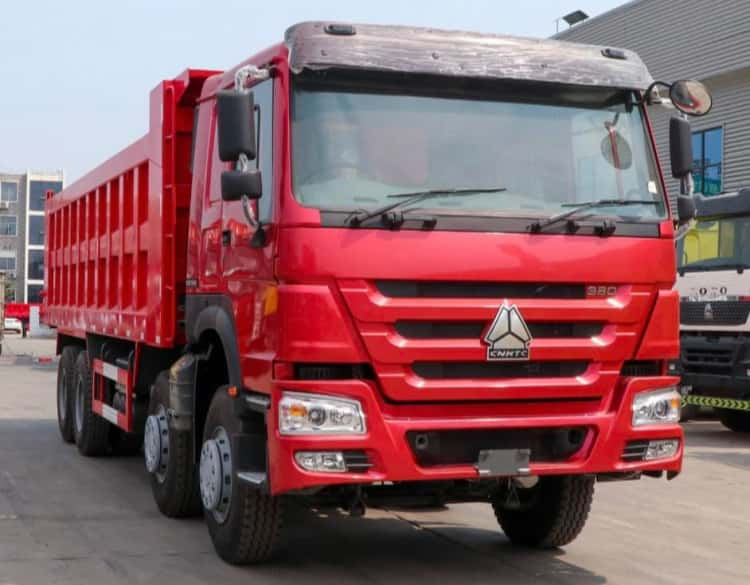
The four major evaluation pillars for a qualified core
Service and damage history review
Records are reviewed before physical inspection. Auditors check maintenance logs, overload incidents, crash records, accident repair history and operating environment.
A qualified core with a history of severe, repeated overload, major frame impact, rollover or improper hot-straightening is usually rejected. Even if it looks straight now, impact damage creates residual stress that accelerates fatigue crack growth.
Mild off-road use, regular scheduled maintenance and stable payload cycles are positive signals. Unknown or incomplete service history raises the risk profile significantly. Cores with missing records require stricter, more conservative inspection thresholds.
Structural geometry and dimensional compliance
The frame and major structural components must be within dimensional tolerance. Frame twist, longitudinal bend, axle offset and crossmember misalignment are measured.
Minor deviations may be acceptable if they fall within the published correction limits. Severe frame distortion cannot be reliably fixed without introducing new stress points. These cores are rejected for whole-vehicle reman.
Geometry checks also apply to steering knuckles, axle housings and suspension mounting pads. Permanent deformation means the core has already exceeded its safe design limits.
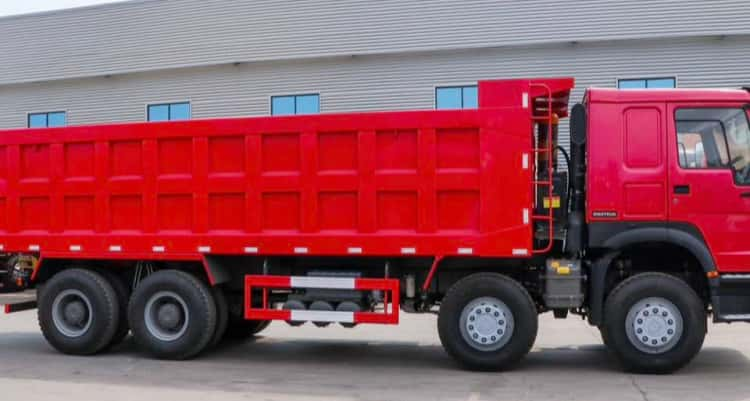
Fatigue condition assessed via NDT
This is the heavy duty truck remanufacturing non-negotiable structural check. Once stripped to bare metal, all high-stress zones are scanned for subsurface and surface fatigue cracks.
A qualified core has no propagating fatigue cracks in critical frame sections, main weld roots, steering knuckles and axle load paths. Small, stable indications may be allowed only if engineering review confirms they will not grow within the assigned duty envelope.
Any core with large, branching or through-wall fatigue cracks is disqualified. Fatigue damage cannot be erased by painting or reassembly.
Corrosion section loss and pitting evaluation
Corrosion is measured quantitatively, not judged by eye. Inspectors record wall thickness, pit depth and location.
Shallow, scattered surface pitting in low-stress areas can be approved after surface remediation. Deep pitting, through-thickness corrosion, or corrosion concentrated on high-load welds and frame flanges makes the core unqualified.
The qualified reman truck rule is simple: corrosion reduces the steel’s cross-section and creates stress risers. The remaining material must be thick enough to handle cyclic loading for the second life.
What a qualified core is NOT?
A qualified core is not a perfect, defect-free chassis. Minor wear, stable shallow surface corrosion and low-level component wear are expected. These are exactly the issues reman is designed to resolve.
It is also not a truck that still runs. A truck can drive smoothly, yet carry hidden fatigue cracks or excessive corrosion that removes it from reman eligibility.
And it is not a core that can automatically receive the original OEM rating. Even qualified cores often get a conservative certified duty envelope matched to their remaining reserve.
Common borderline scenarios
- A core with clean NDT results but moderate corrosion: still qualified, with reduced payload or off-road cycle limits.
- A core with good geometry but one small weld crack in a non-critical bracket: bracket scrapped and replaced, core remains qualified.
- A core with clean appearance but undocumented crash history: rejected from whole-vehicle reman, only usable for component harvesting.
- A core with repeated overload history and minor frame pitting: rejected, the accumulated fatigue risk is too high.
How core qualification links to later reman outcomes?
The core qualification decision sets the upper boundary of the finished truck’s performance. If the core is qualified, the engineering team can define its certified duty envelope, select renewal parts and complete system calibration. All traceability records from the core intake stage attach to the final VIN file.
If the core fails qualification at intake, investment stops early. This avoids pouring reman labour into an asset that can never meet the safety and reliability requirements of genuine reman.
What to ask suppliers about core qualification?
When auditing suppliers, request visibility into their core intake workflow. Ask for:
- Written core acceptance baseline rules
- Service history review checklists
- Pre-teardown dimensional survey records
- NDT and corrosion measurement criteria for pass/fail
- Clear separation between cores for heavy duty truck remanufacturing, component harvest and scrap
Final Takeaway
A qualified core is a used heavy truck chassis that passes history review, dimensional check, fatigue NDT screening and quantitative corrosion assessment. It retains sufficient material reserve to support a defined, auditable second lifecycle after rule-based heavy duty truck remanufacturing.
Genuine heavy duty truck remanufacturing starts by saying “no” to bad cores. A supplier that accepts every incoming truck as a reman candidate ignores this foundational step — and passes structural fatigue and corrosion risk to your fleet.