The Difference Between Reconditioning and Lifecycle Reset
Intro
Many suppliers use these two terms interchangeably. But they represent two fundamentally different objectives. Reconditioning fixes visible defects and refreshes the truck so it can operate again. Lifecycle reset is the standard truck reman workflow that erases accumulated hidden damage and establishes a new, defined service window.
Confusing the two leads to wrong budget expectations and unplanned downtime. A reconditioned truck can look clean and drive well, yet still carry all the original fatigue and corrosion risk. REMAN ROAD’s standard truck reman work framework is built around life cycle reset, not cosmetic or functional reconditioning.
What Reconditioning Is?
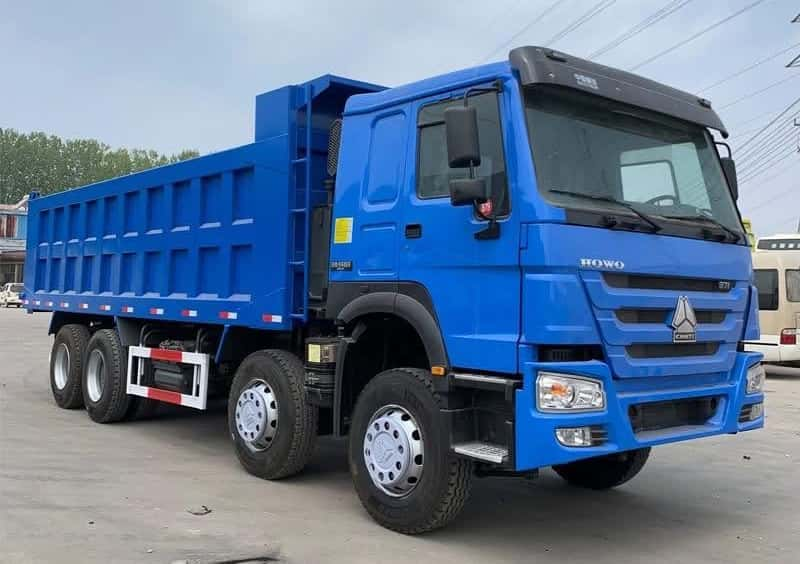
Reconditioning is a surface and functional refresh. It targets faults that are obvious or causing immediate performance issues.
Work scope is selective. Technicians replace leaking seals, worn tyres, broken lights, damaged body panels and failed components. They clean the engine bay, repaint the frame and touch up rusted areas. Alignment and testing are usually limited to empty-yard checks.
Reconditioning only addresses what can be seen or what has already failed. The core chassis structure stays mostly intact. Frame welds, hidden mating interfaces, steering knuckles and crossmember joints are not disassembled or NDT scanned.
Its goal is short-term operability. It gets the truck running reliably for the near term, but it does not alter the asset’s original wear clock. The fatigue cycles, corrosion progression and stress risers built up over years of service continue counting from where they left off.
Reconditioning is low-cost and fast. It works well for light-duty, low-risk short-term rentals or temporary backup assets. But it does not remove latent structural hazards.
What Reman Lifecycle Reset Requires?
Reman lifecycle reset is the full whole-vehicle reman outcome. It starts with the assumption that hidden fatigue and corrosion exist until proven otherwise.
It begins with core qualification. Service history, overload records and crash damage are reviewed before disassembly. Then comes full teardown. Every load-bearing bracket, fastener, mounting pad and welded joint is separated and stripped down to bare metal.
All structural parts go through quantitative inspection. NDT screening detects subsurface fatigue cracks. Ultrasonic thickness gauges measure corrosion section loss. Dimensional checks confirm frame geometry, axle squareness and steering taper wear.
Mandatory renewal parts are swapped out by rule. These high-cycle wear items are replaced regardless of visual condition. Reusable cores are only kept when they pass the fixed acceptance baseline. Borderline structural components are scrapped, not patched.
After reassembly, the whole chassis is calibrated as a connected system. Driveline alignment, suspension geometry, brake balance and hydraulic response are tuned for system harmony. Final validation uses loaded testing, not just empty-yard startup.
The end result is a certified duty envelope. This document defines the safe payload, terrain type and cycle limits for the asset’s new second life. All inspection, measurement and test data is logged in VIN-linked traceability records.
The wear clock is reset. The fleet gains predictable remaining service life and quantifiable downtime risk.
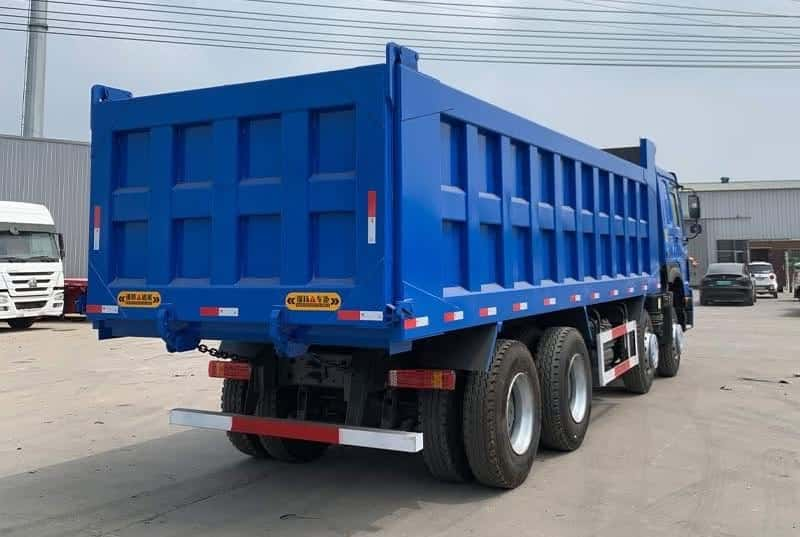
Key Distinction Points
Objective separates them first
- Reconditioning: restore current function and appearance.
- Standard truck reman lifecycle reset: eliminate accumulated hidden damage and establish a new service lifecycle.
Inspection scope is another major divide
- Reconditioning inspects only accessible, failed or visually poor parts.
- Standard truck reman lifecycle reset inspects every structural interface, even those that look perfectly fine.
Repair philosophy differs
- Reconditioning fixes symptoms.
- Reman lifecycle reset removes root risks such as trapped corrosion and micro-fatigue cracks.
Risk profile is very different
- Reconditioning retains all invisible structural risk from prior operation.
- Standard truck reman lifecycle reset quantifies residual risk and locks it into the certified duty envelope.
Traceability requirements are not the same
- Reconditioning may only produce an invoice and a few photos.
- Standard truck reman lifecycle reset requires a continuous, auditable record from core intake through loaded validation.
Where Each Option Fits Into Fleet Strategy?
Reconditioning suits temporary, low-intensity usage. If you need a cheap backup truck for light, stable hauling over a short contract, reconditioning can be a sensible choice. You understand that its residual value is limited and structural risk is unknown.
Lifecycle reset is an asset renewal investment. It is selected when you want to lock in multi-year uptime, stabilise TCO and preserve residual value. It is capital expenditure, not just a maintenance expense.
A common trap: suppliers perform reconditioning, then market it as a full reman lifecycle reset. They repaint, swap a few components and show photos of the finished truck. But they never tear down the frame for fatigue screening or corrosion mapping.
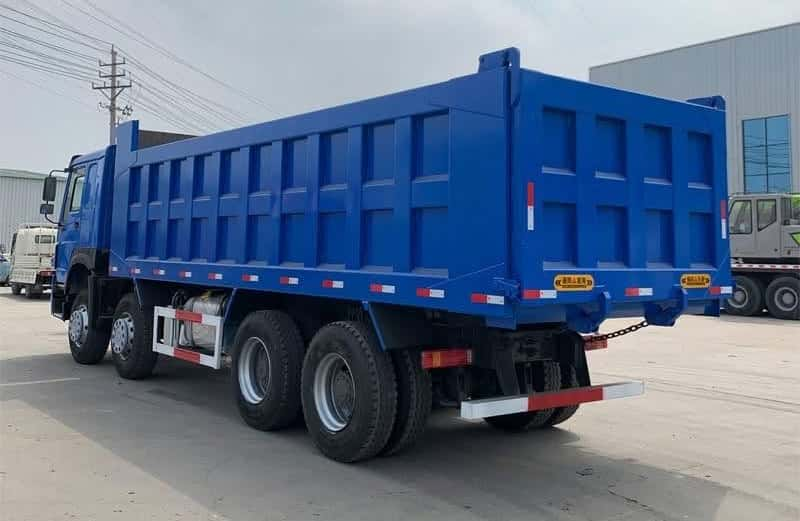
Common Misconceptions
Myth: If the truck looks new and passes a road test, it has been life cycle reset. Road tests and cosmetics only prove function. They cannot reveal subsurface fatigue or corrosion under brackets.
Myth: Replacing the engine and gearbox equals lifecycle reset. Component reman combined with reconditioning is still not standard truck reman lifecycle reset. The chassis’s accumulated fatigue history remains unchanged.
Myth: Life cycle reset means the truck will match OEM ratings. Not automatically. Standard truck reman lifecycle reset delivers a defined, safe second life. The duty envelope may be conservative, based on what the inspection data proves.
Quick Audit Checklist
When you evaluate a truck, ask these simple questions to tell the two apart:
- Was the frame fully torn down, cleaned and NDT scanned?
- Are corrosion thickness measurements logged for high-stress zones?
- Is there a formal list of mandatory renewed structural and wear parts?
- Is the final performance validated under loaded conditions?
- Is there a published certified duty envelope tied to the inspection results?
If most answers are no, the truck has been reconditioned — not lifecycle reset.
Final Takeaway
Reconditioning makes a used truck look and run again. Life cycle reset is an standard truck reman work that clears accumulated hidden structural damage and creates a new, documented service period.
Reconditioning stops at what you can see. Life cycle reset digs into the sealed interfaces and invisible fatigue inside the chassis. For heavy-duty, high-cycle fleet work, only lifecycle reset gives you predictable uptime and auditable safety proof.