Why Empty-Yard Testing Cannot Prove Genuine Reman Quality?
Intro
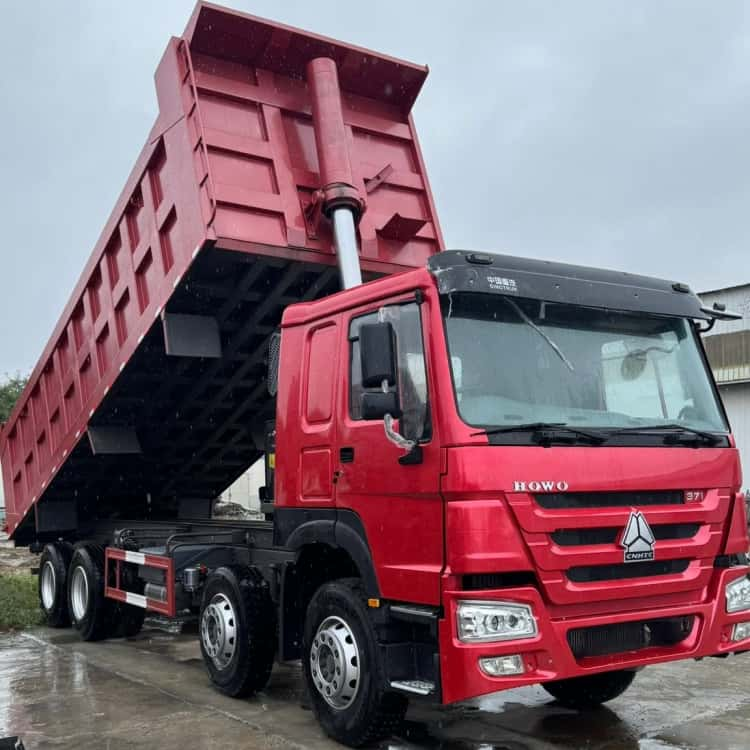
Empty-yard testing is the default final check for most casual truck rebuilds. Technicians start the engine, cycle the tipper, test steering and brakes, and drive the truck slowly around flat ground. To many fleet buyers, this looks like a solid quality sign-off.
But this simple unloaded check cannot validate genuine reman quality. Genuine reman is built to withstand repeated heavy cyclic loading, not just idle smoothly with no weight on board. Empty-yard tests only uncover obvious assembly mistakes. They cannot expose latent structural flaws, alignment errors and system weaknesses that only emerge under payload. Fleets that accept empty-yard testing as proof of quality often face sudden, high-cost breakdowns once the truck enters site work.
What Empty-Yard Testing Actually Verifies?
Empty-yard testing is a low-stakes functional check. It runs with zero payload, on flat, stable pavement.
It confirms basic controls work as intended. Engine starts and runs without obvious rough noise. Hydraulic cylinders extend and retract the empty tipper bed. Steering moves through its full range, brakes build basic pressure, and exterior lights activate. Workers may listen for clunks and scan for fresh leaks.
This step has limited value as a quick post-assembly sanity check. It catches obvious oversights like disconnected hoses or loose wiring. It is never designed to validate the chassis’s fatigue safety margin or system harmony. No real working stress is applied to frame rails, weld joints, suspension fasteners and driveline components.
Hidden Defects That Stay Hidden Under Empty Conditions
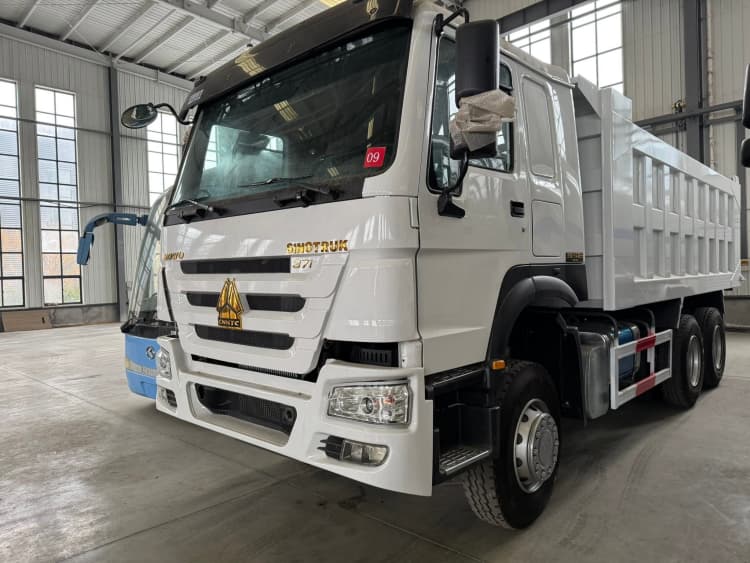
Most heavy-duty truck failures only appear under load. Many defects remain dormant when the chassis is relaxed and unweighted.
Subsurface fatigue cracks in frame rails and welds stay closed with no payload. Metal flex only happens when weight pushes down through the suspension. Once flex begins, cracks open and start growing with every loaded trip. Empty-yard testing will never trigger this critical flex movement.
Small driveline alignment faults are another common blind spot. Misalignment creates destructive vibration only when torque and loaded suspension deflection combine. When empty, the driveline sits in a neutral, relaxed position. Harmful vibration, heat and bearing wear do not surface during the yard run.
Hydraulic systems also mask marginal weaknesses at zero load. A worn pump, degraded seal or poorly calibrated relief valve can lift an empty bed reliably. Under full payload, system pressure spikes sharply. Sudden seal blowouts, pressure loss or tipping failure can happen on site.
Loose U-bolts, worn suspension bushings and marginal axle preload behave similarly. They produce no noise or play when empty. Repeated loaded compression and rebound will gradually shift components and lead to separation.
Loaded Validation: The Genuine Reman Standard
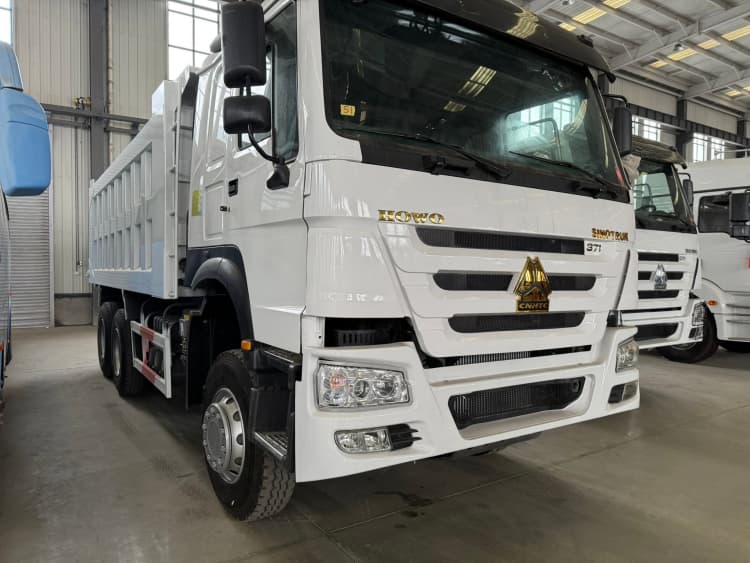
Genuine reman process replace empty-yard validation with structured loaded performance testing. Tests replicate the real forces defined in the truck’s certified duty envelope.
The chassis is loaded to its rated test payload. Inspectors monitor chassis deflection, vibration signatures, brake stability and driveline behaviour. Hydraulic tipping cycles are repeated under full load to confirm pressure holding and consistent response. Suspension geometry and axle alignment are measured while the frame is under compression.
Any abnormal measurement triggers corrective work before the unit is approved. This genuine reman process test validates the full lifecycle reset and system harmony built during reman. All readings, adjustments and test outcomes are logged and tied to the VIN for permanent traceability.
This is not a short test drive. It is engineering validation that stresses the truck exactly as field haul work will.
Business and Safety Risks for Fleets That Accept Empty-Yard Proof
If a remanufacturers only provides empty-yard test evidence, you have no proof the truck can safely carry its rated load. You are purchasing a truck that runs empty, not a truck qualified for heavy cyclic duty.
When these vehicles go to work, failures tend to strike without warning mid-shift, under full load. Consequences include spilled material, site shutdowns, idle labour and loader rental, plus contractual penalties. These downtime costs quickly outweigh the upfront savings of a cheaper, lightly tested rebuild.
Warranty protection is also vulnerable. Most informal rebuild warranties exclude structural and load-related failures. Without a baseline loaded test record, you have little documentation to support a warranty claim after an incident.
What to Ask Remanufacturers Instead?
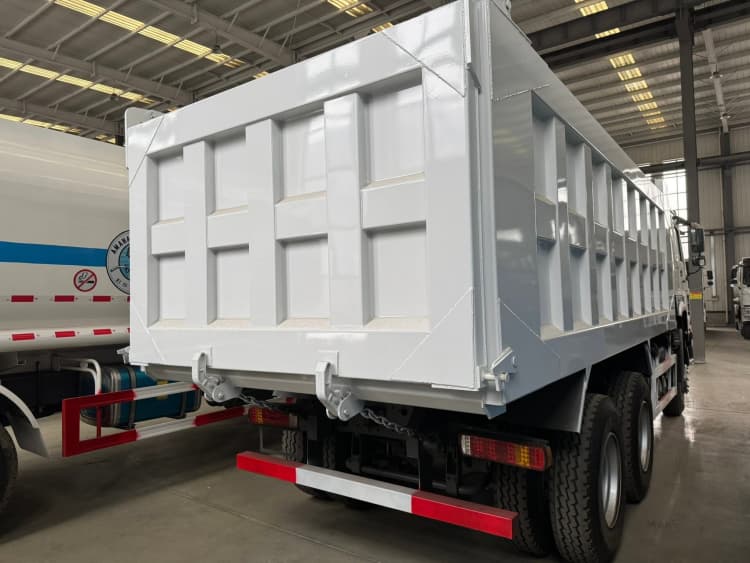
When auditing remanufacturers, do not accept empty-yard walkaround videos as proof of quality.
Request full loaded test logs, including test mass, deflection measurements and vibration data. Confirm testing aligns with the truck’s certified duty envelope. Verify NDT structural screening was completed at full teardown, separate from functional testing.
Remanufacturers following genuine reman process standards can share this complete dataset. Vendors relying only on empty-yard testing will not have these records available.
Final Takeaway
Empty-yard testing proves a truck can start, steer and move when unloaded. It cannot prove the chassis, assemblies and joints are safe for repeated heavy payload cycles.
Load reveals weaknesses that static idle checks hide. Genuine reman quality depends on loaded validation, paired with full teardown and NDT inspection. If a reman provider cannot supply loaded test evidence, you are relying on luck, not engineered safety. For fleets running heavy cyclic haul operations, this is an unnecessary risk.