What “Full Teardown” Really Means in Whole Truck Reman?
Intro
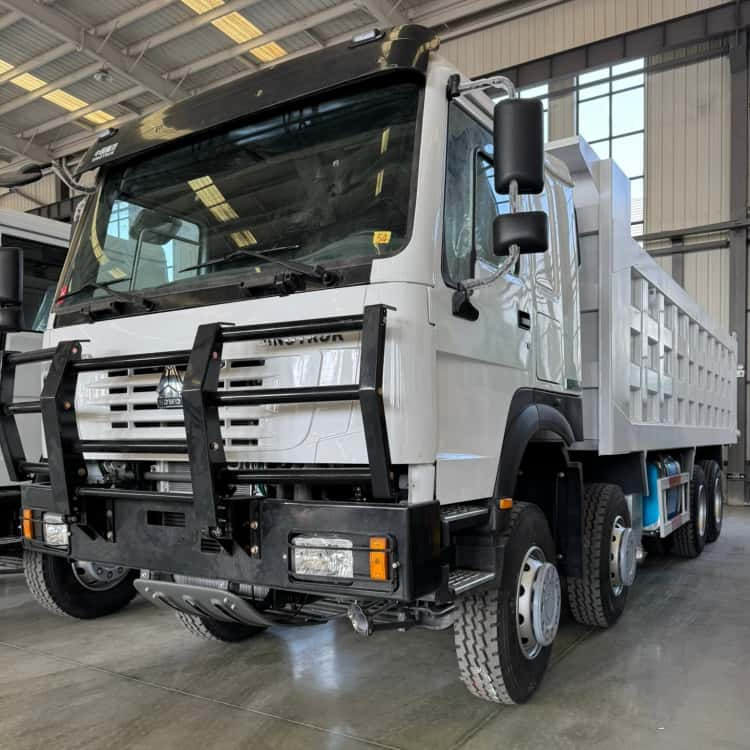
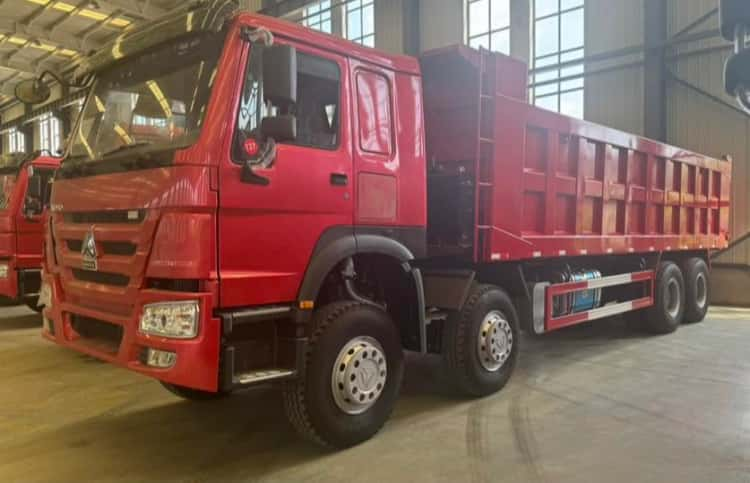
Many fleet buyers see “full teardown” listed on reman product descriptions, but few understand exactly what this term includes. It is often mistaken for pulling off a few outer panels or removing only the powertrain. True full teardown is the complete disassembly of the whole vehicle down to individual core components and fasteners. It is not just a procedural checkbox. This whole truck reman step unlocks the ability to inspect hidden fatigue, corrosion and wear that no surface inspection can reveal. Without proper full teardown, a project cannot qualify as genuine reman truck, no matter how polished the finished truck looks.
Full Teardown vs Partial Disassembly
Partial disassembly only opens targeted sections of the truck. Workers might remove the engine, transmission or hydraulic tank to fix a known fault. Frame, suspension brackets, crossmembers and steering joints stay assembled and connected. Hidden gaps, trapped dirt and subsurface cracks remain sealed out of sight. This is the same approach used in patch repair and basic workshop overhauls.
Full teardown goes much further. Every major assembly is separated from the chassis. No load-bearing joint, fastener or mating surface stays connected. This standard separates genuine whole truck reman from component-only reman and cosmetic rebuilds.
The Step-by-Step Scope of Full Teardown
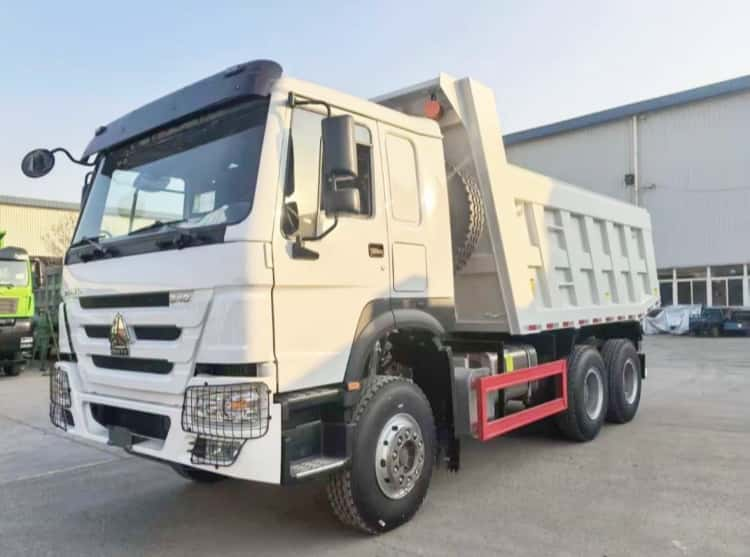
The whole truck reman process follows a logical sequence, starting from external accessories and moving inward to the raw chassis.
First, all non-structural exterior parts are removed. This includes cab trim, lights, fenders, fuel tanks, exhaust assemblies and tipper body fittings. These parts are cleaned, assessed for reuse, or marked for replacement.
Next, core functional assemblies are disconnected and stripped off the frame. Powertrain, axles, suspension leaf springs, steering linkages and the entire hydraulic tipping circuit are all taken off. Every bolt, U-bolt, bushing and spacer is separated, not loosened and left in place.
Finally, the frame itself is broken down to its base state. Crossmembers, mounting brackets and reinforcement plates are fully detached. Only the bare chassis rail remains for inspection. This is the critical stage where NDT testing can access every high-risk weld and stress point.
Why Full Teardown Is Mandatory for Fatigue Inspection?
Fatigue damage often hides at mating surfaces, bolt holes and weld seams. As long as two metal parts are bolted together, those contact zones cannot be reliably scanned. Dirt, rust and compression between components mask cracks and corrosion.
Only after full teardown can technicians clean every metal surface completely. Once cleaned, NDT technicians can run magnetic particle, ultrasonic or penetrant testing on every critical location. If the frame stays partially assembled, fatigue screening will be incomplete. Unseen cracks may pass inspection and lead to sudden structural failure later in service.
What Happens to All Those Separated Parts?
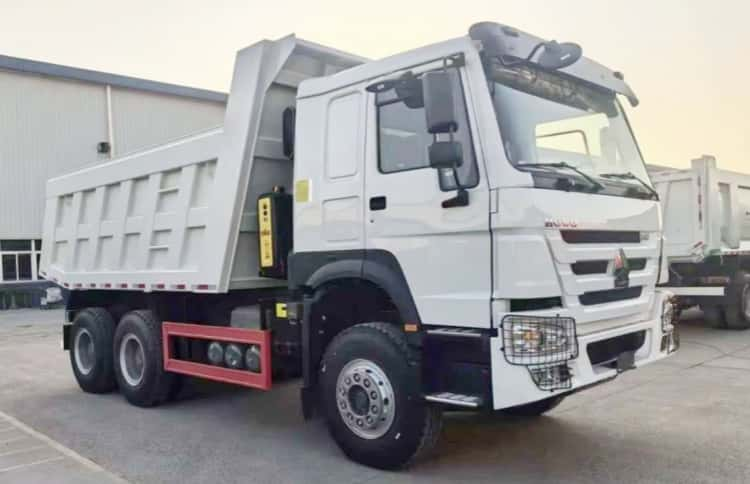
Once everything is taken apart, components are sorted into three clear groups.
Qualified reusable cores are parts that pass dimensional checks and NDT screening. These will be cleaned, reconditioned and calibrated before reassembly.
Mandatory replacement parts are discarded regardless of visual condition. High-load fasteners, seals, bearings and friction components fall into this category. Their fatigue life expires with the prior asset cycle.
Failed scrap parts are components that do not meet acceptance thresholds. Cracked brackets, corroded rails and warped housings are rejected and will not return to the build.
Common Misconceptions About Full Teardown
One common myth is that full teardown damages good parts unnecessarily. In certified whloe truck reman process workflows, disassembly is controlled and documented. Trained technicians follow torque and disassembly sequences to avoid harming usable cores.
Another misunderstanding is that full teardown equals rebuilding every single part. Genuine whloe truck reman is not a requirement to machine every component. It is a requirement to expose every component so its condition can be verified. Parts that pass all tests can stay in the build.
A third misconception: a clean, painted truck proves it was fully torn down. Paint covers defects. Cosmetic finishing can be done without ever taking the frame apart. You need traceability records and inspection logs to verify full teardown was completed.
Final Takeaway
Full teardown is the foundational step of whloe truck reman. It removes the blind spots that make patch repair and partial overhaul risky. It gives inspectors complete access to every load-bearing surface and weld. Without this complete disassembly, you cannot reliably reset the asset’s lifecycle. When you evaluate a reman truck, confirm the supplier can provide records proving full teardown was performed before any inspection or reconditioning work began.