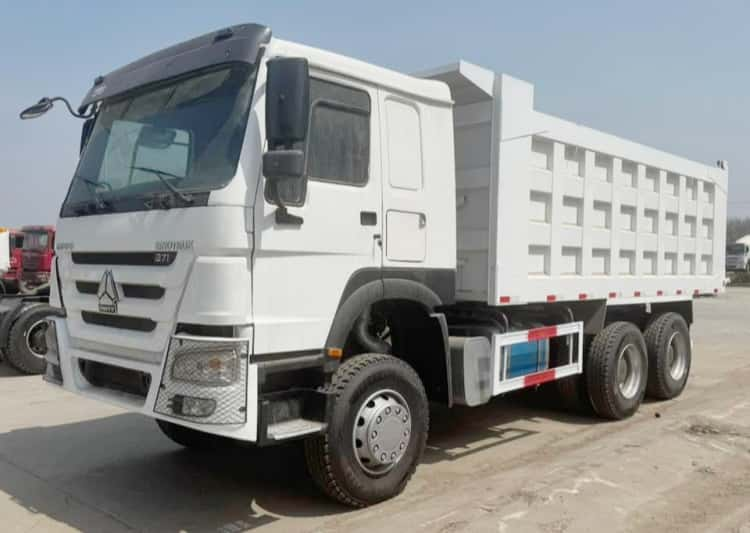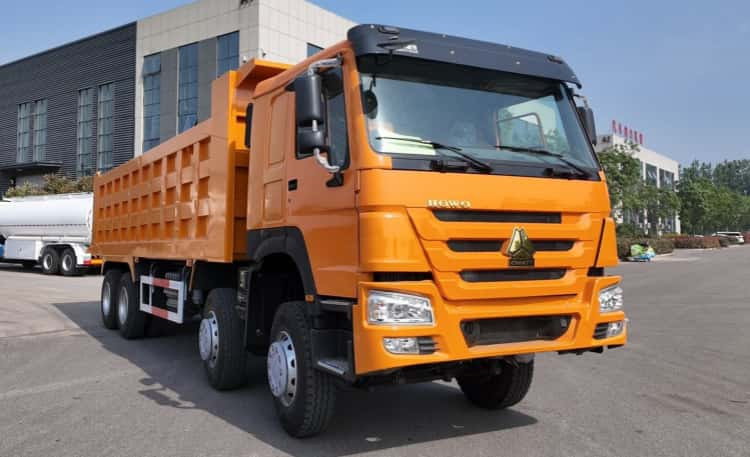
Genuine Truck Reman vs Patch Repair: Clear Practical Distinctions
Intro
Fleet managers often encounter two ways to restore a faulty heavy truck: patch repair and genuine truck remanufacturing. At first glance, both can return a truck to running condition. However, they are built on entirely different engineering philosophies, quality boundaries and risk frameworks.
Patch repair is a reactive fix that solves only the failure you can see. Genuine truck remanufacturing is a proactive industrial lifecycle reset, designed to rebuild the asset’s structural safety and consistent performance.
Confusing these two options is one of the most common causes of unplanned downtime, unexpected structural failures and inaccurate TCO forecasting. This issue frequently impacts construction, quarry and municipal haul fleets. Understanding the gaps helps you make purchasing and maintenance decisions aligned with your fleet’s risk tolerance and project timeline.
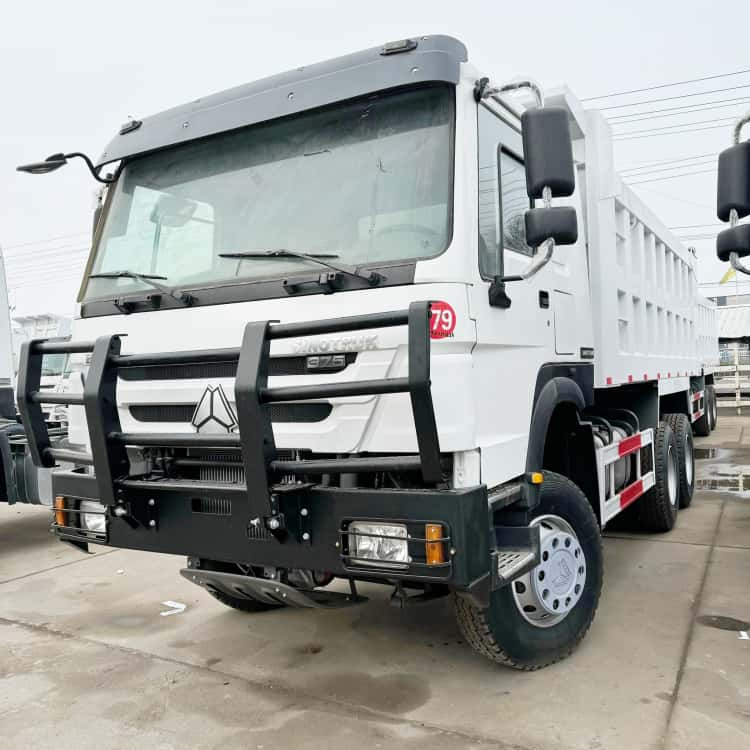
What Is Patch Repair, and Where Does It Fall Short?
Patch repair is the traditional, workshop-based quick fix. Its core goal is simple: identify the failed component, replace or repair it, and get the truck back into operation as rapidly as possible. It does not require full teardown of the chassis. Technicians only open up the sections directly related to the active fault. This means all hidden conditions remain untouched.
Frame microcracks from accumulated fatigue, corroded crossmember joints, aged seals, stretched fasteners and misaligned driveline geometry are not checked. Parts that appear visually intact stay in service, even if they are close to their fatigue limit.
Patch repair has its place for emergency, very short-term use. But it never resets the asset’s underlying wear cycle. The root stressors are still present, so secondary failures often strike suddenly. These failures usually happen under full payload or on rough off-road tracks. There is no standard testing after work is finished. Almost no formal, VIN-linked records exist to prove the full scope of work.
The Standardised Engineering Workflow of Genuine Truck Reman
Genuine truck remanufacturing treats the truck as a complete system, not a collection of separate parts. The process starts with full vehicle disassembly. Every major assembly is split apart, thoroughly cleaned, and separated into three groups:
- reusable qualified cores
- mandatory replacement parts
- scrap components that fail screening
All load-bearing structures go through mandatory NDT non-destructive testing. This step finds subsurface fatigue cracks and corrosion penetration that visual inspection can never detect. Any core that fails the acceptance criteria is rejected and cannot move forward into reassembly.
High-load fatigue parts follow fixed renewal rules. U-bolts, bearing sets, brake friction groups, hydraulic seals and steering joints are replaced by standard, no matter how good they look. This resets the safety margin of every critical connection point.
Once reassembly is complete, technicians calibrate the whole chassis system. Driveline straightness, suspension level, brake distribution and hydraulic tipping pressure are tuned back to original design specs. This eliminates chronic hidden stress that slowly breaks down otherwise sound steel.
Every finished reman truck completes loaded performance testing under its certified duty envelope. Vibration, deflection, braking stability and tipping behaviour are monitored under full working load. All inspection, test and part replacement data is logged and tied to the vehicle’s VIN.
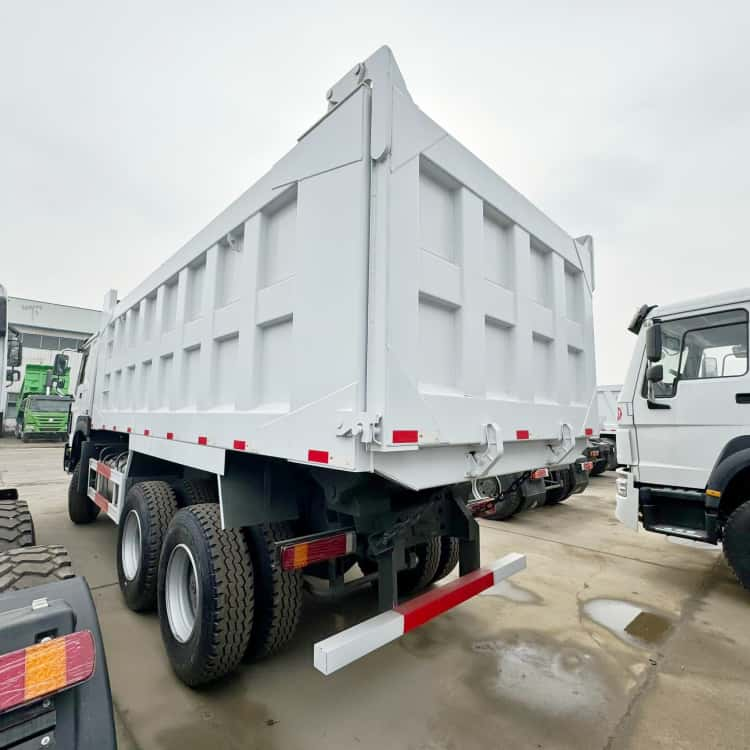
The Big Gap in Documentation and Accountability
This is a quiet but critical difference for commercial fleets. Patch repair rarely generates formal, auditable paperwork. A workshop may write a simple invoice listing the replaced part. But there is no baseline report of structural checks, alignment or load testing. If a structural incident occurs later, there is no reliable record to trace the pre-existing condition.
Genuine truck reman comes with a complete traceability package. NDT scan reports, component renewal logs, alignment records and loaded test results are stored against the VIN. These documents satisfy site safety audits, insurance requirements, tender compliance and ESG reporting. For contractors working on regulated infrastructure and municipal projects, this traceability is not a bonus — it is a requirement.
How This Choice Shapes Your Fleet’s TCO and Risk Profile?
The financial trade-off is easy to misjudge if you only compare upfront bills.
Patch repair carries a very low immediate cost. But it transfers all the remaining hidden risk to your fleet. The risk of sudden frame fracture, suspension separation or hydraulic failure brings expensive consequences.
Consequences include load spills, site shutdowns, idle labour, wasted loader rental and contract penalties. These costs can far outstrip the price of the repair many times over.
Genuine truck remanufacturing has a higher initial investment. However, it removes latent structural fatigue upfront, replaces predictable wear parts proactively, and verifies performance under load. Failures shift from random, catastrophic roadside events to predictable, scheduled maintenance.
Patch repair works best for temporary emergency fixes for very short, low-risk assignments. Genuine truck reman is the right selection when you need a stable, long-term haul asset with known safety limits and predictable total ownership cost.
Final Takeaway
The core distinction is simple: patch repair fixes a fault. Genuine truck reman resets the asset. When you need a truck that can reliably perform heavy, cyclic haul work for months or years, with verifiable safety and audit-ready records, genuine truck reman is the responsible choice. Patch repair may get you moving today, but it does not erase the wear and fatigue built into the chassis over thousands of loaded cycles。