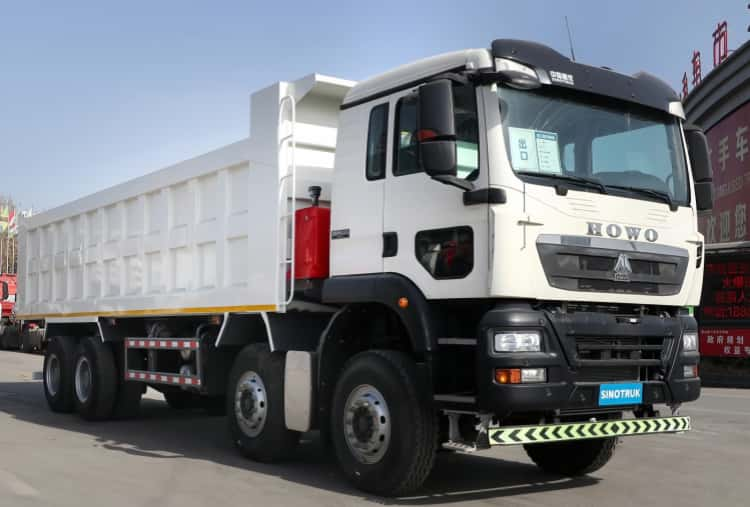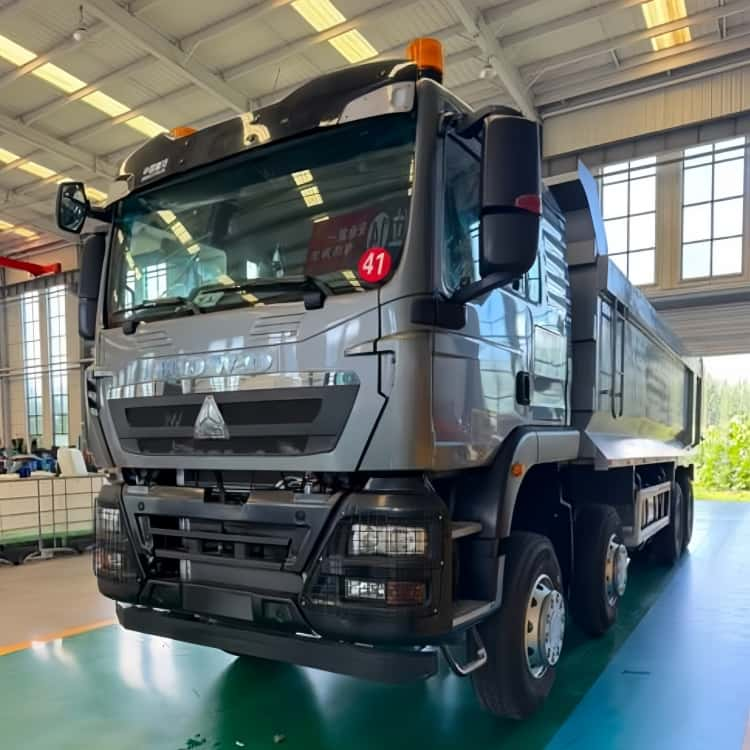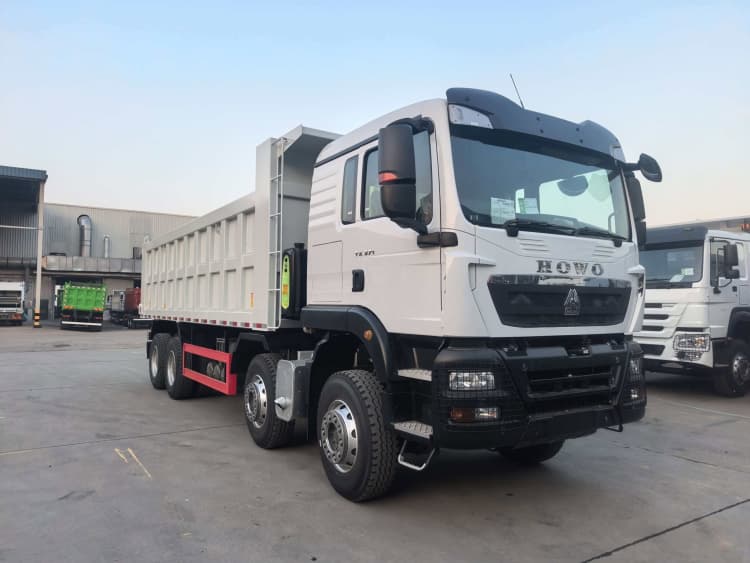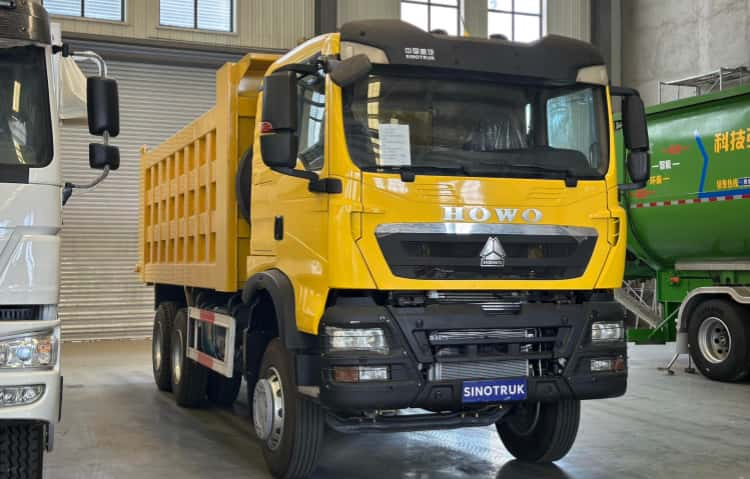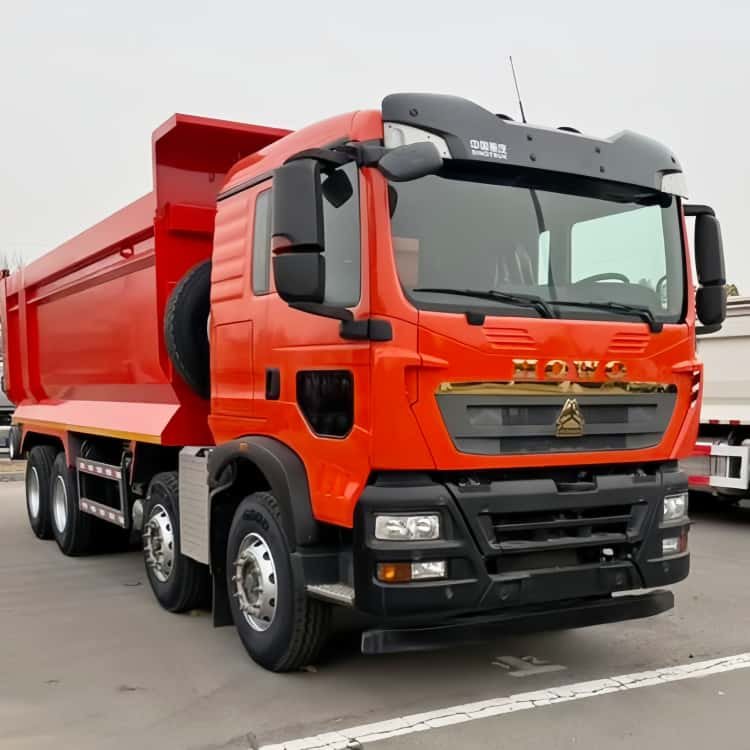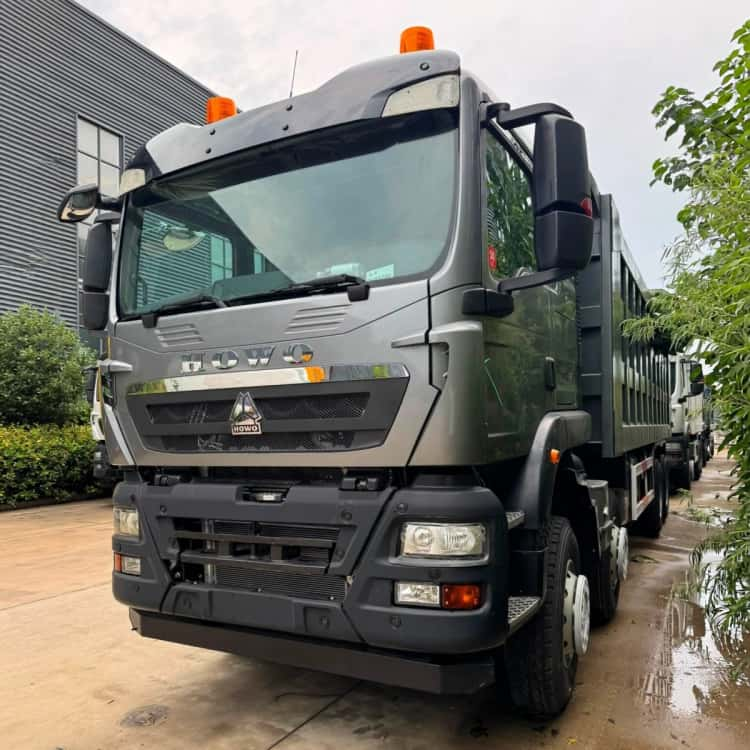
Reman Heavy Trucks: Stable Maintenance Schedules for Easier Fleet Management
Intro
Fleet management becomes far harder when maintenance events strike at random. Generic second-hand trucks carry unknown wear accumulation. Breakdowns can happen without warning, forcing rushed repairs, re-routed haulage and emergency procurement. Many fleet managers spend most of their time reacting to failures instead of running a planned operation.
REMAN ROAD certified reman heavy trucks changes this dynamic. Every rebuild comes with a stable, pre-defined service calendar built around the reman completion date and the truck’s assigned duty envelope. This predictable maintenance rhythm turns reactive fleet work into structured, repeatable management.
Schedules are built around the reman reset date, not factory age
For certified reman heavy trucks, the maintenance clock for all renewed consumables restarts once the rebuild finishes. Seals, bearings, gaskets, brake linings and fluid circuits are fresh, so their service intervals start from zero. The schedule is not copied directly from the original OEM manual for new trucks.
Engineering teams adjust intervals based on the platform model and the operating environment: off-road dusty sites get shorter inspection cycles, while paved highway routes follow longer intervals. This makes the schedule realistic and matched to how the truck will actually be used.
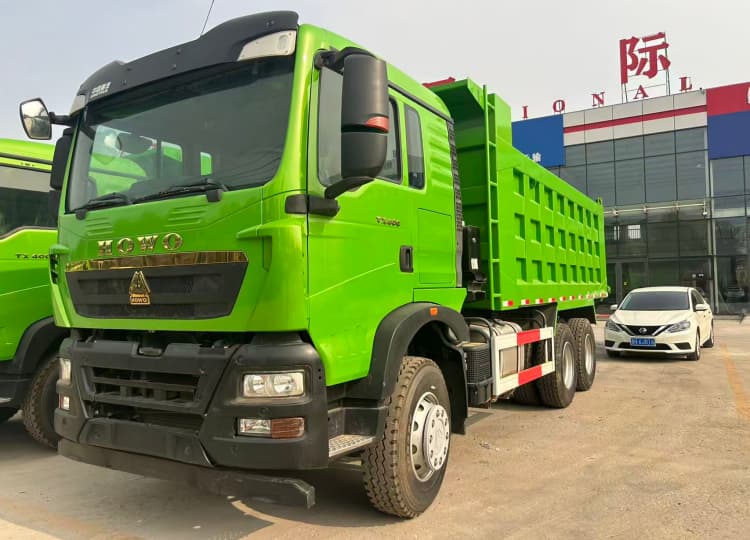
Standardised intervals simplify workshop resource planning
When every truck follows a consistent service cadence, workshop teams can plan labour, tooling and downtime windows in advance. Technician shifts, service bays and inspection activities can be scheduled weeks ahead. Spare parts for routine service items can be ordered in bulk, bundled and stored in pre-packed service kits.
This removes the stress of scrambling for parts and labour when an unplanned failure appears. For fleets with mixed model fleets, this consistency reduces the training burden on on-site maintenance teams.
Clear tiered service structure makes oversight simple
REMAN ROAD maintenance plans use tiered service levels, easy for supervisors to track. Routine light inspections cover fluid levels, fastener torque and visual checks of hoses and brackets. Medium scheduled services include fluid changes, filter replacement and wear measurement on steering and suspension. Major scheduled service events cover deep driveline inspection and planned component overhaul.
Each tier has a clear checklist, recording template and required documentation. Fleet managers can track compliance by operating hours or kilometres, with no guesswork about what needs to be checked next.
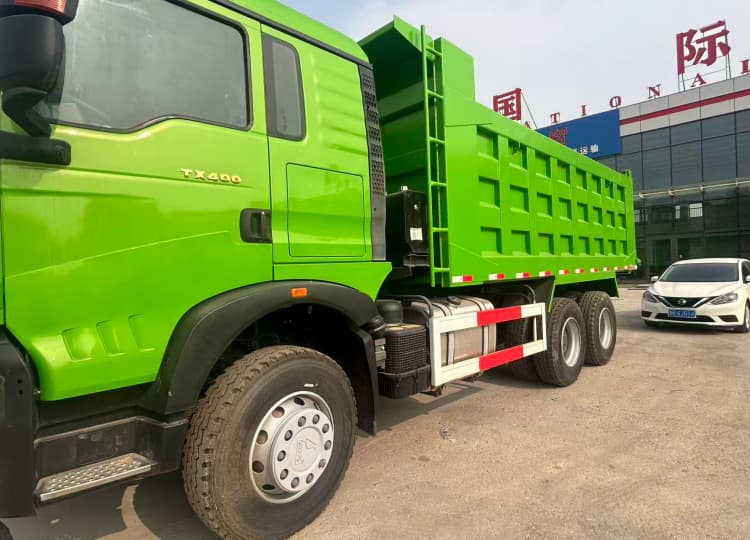
Stable maintenance supports consistent downtime forecasting
Unplanned downtime is the biggest budget and schedule risk for haul fleets. With a reliable service schedule, most component wear work moves into planned downtime. Planned downtime can be arranged during shift changeovers, rest days or low-demand periods, avoiding disruption to haulage delivery targets.
Finance teams can model maintenance costs evenly across the fiscal year, without large, unexpected repair spikes. This is a core TCO benefit that separates certified reman heavy trucks from informal rebuild trucks.
Maintenance records integrate with the VIN traceability system
Every completed service entry can be logged against the truck’s unique VIN. REMAN ROAD certified reman heavy trucks’s traceability file stores the reman build records, and the fleet adds its own service history over time.
If the truck is reassigned to another site, leased or resold later, the full maintenance trail travels with it. New operators can immediately understand where the truck sits in its service cycle. This also simplifies warranty reviews, insurance audits and safety incident investigations.
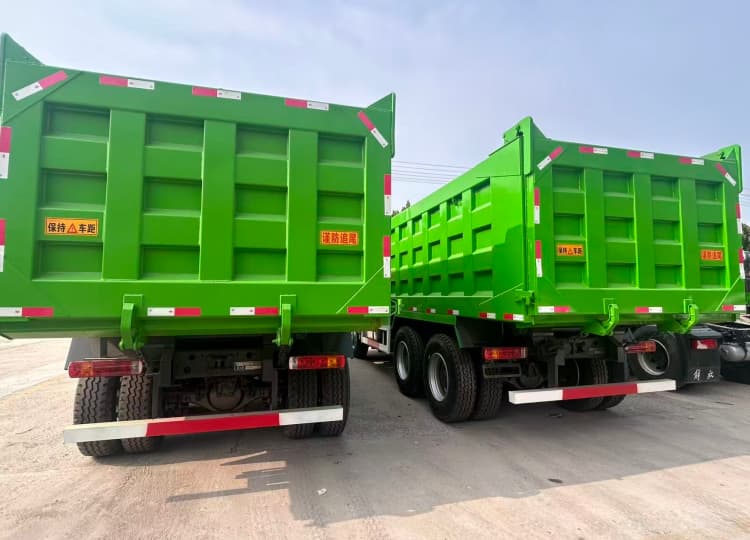
The schedule is tied to the duty envelope
Maintenance intervals are not universal. A truck graded for heavy cyclic off-road work will have more frequent structural and brake inspections than a unit graded for light highway transport. Fleet planners must assign trucks to workloads that align with their grade and service frequency.
Running reman heavy trucks beyond its duty envelope will accelerate wear and break the maintenance forecast. The schedule is a support tool, not a guarantee that wear will stay on track if operating limits are ignored.
What this means for fleet managers?
Stable maintenance schedules reduce cognitive load for fleet supervisors. Instead of chasing constant breakdowns, teams shift to a proactive management model. Workshops run more smoothly, spare inventory becomes easier to control, and driver safety checks become more routine. This advantage only applies to certified reman heavy trucks, where wear parts are systematically renewed and the service plan is engineered into the rebuild.
Final Takeaway
Certified reman heavy trucks deliver fixed, environment-adjusted maintenance schedules that let fleet managers plan ahead instead of reacting to surprise failures. For fleet leaders, the key takeaway is simple: stable maintenance routines do not eliminate service work, but they put you in control of when and how it happens.