Remanufacture as a Strategy for Smoothing Seasonal Work Demand
Intro
Seasonal workload swings create a classic fleet dilemma. If you build your fleet to cover peak demand, you carry idle trucks, ongoing finance charges, depreciation and storage costs through slow months. If you only maintain a core minimum fleet, you risk falling short when the busy season arrives, forcing expensive spot rentals, rushed subcontracting and missed delivery targets.
New trucks are not well suited for this rhythm. They require long lead times and heavy upfront investment, and they depreciate rapidly if you only deploy them for a few busy months each year. Uncertified used trucks can be sourced quickly, but hidden mechanical defects and inconsistent quality threaten seasonal production schedules. Certified remanufacture acts as a purpose-built buffer to flatten this boom-and-bust cycle.
Match asset holding period to seasonal operating windows
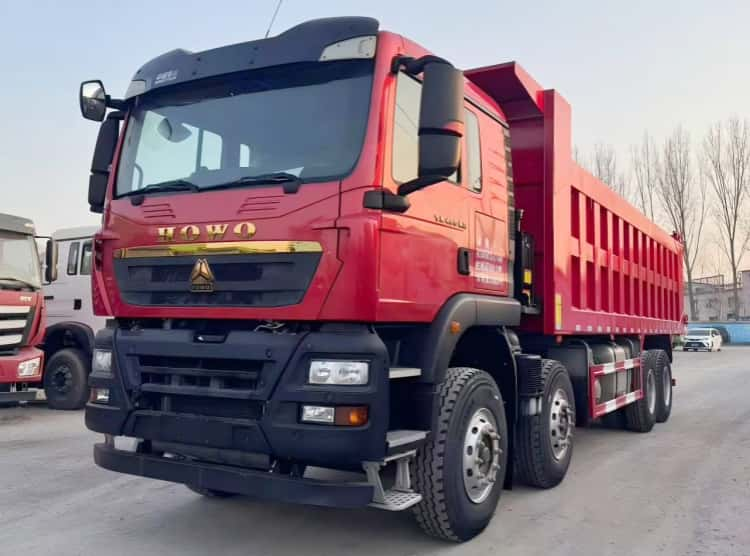
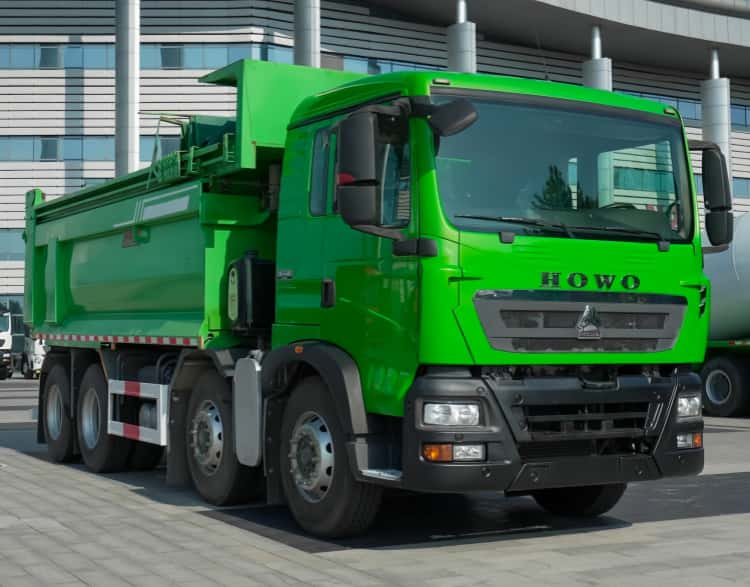
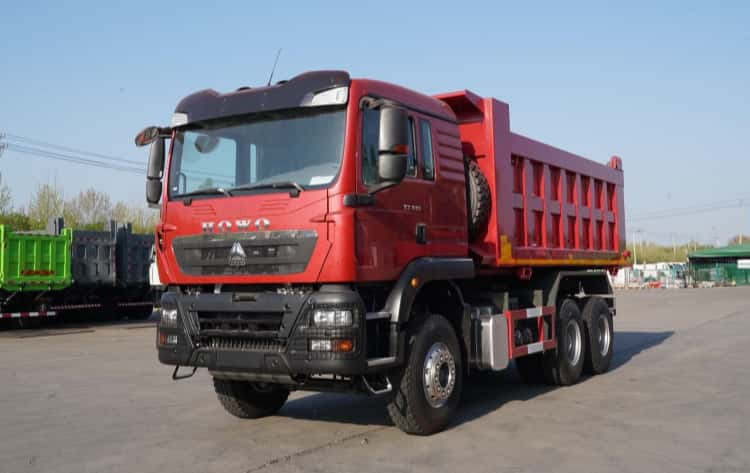
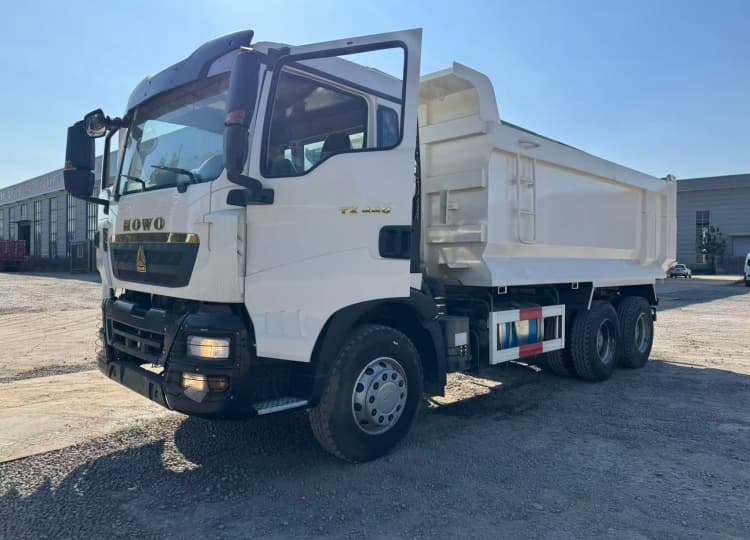
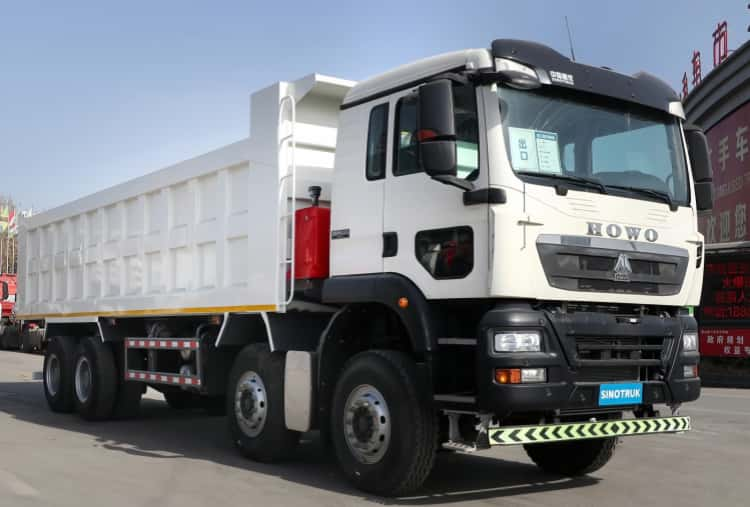
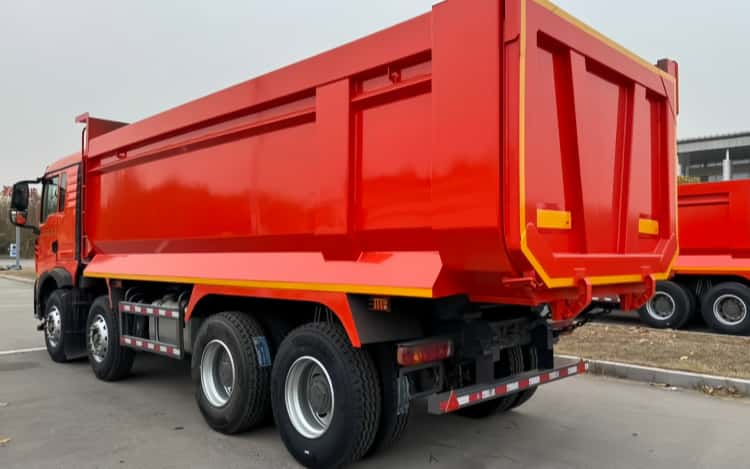
Each REMAN ROAD reman trucks comes with a duty envelope that defines its remaining safe service hours and workload limits. Fleet planners can select grades that align exactly with seasonal haul cycles. High-grade REMAN ROAD reman trucks can support multiple peak seasons, while lower-grade units fit a single short busy window. You do not need to purchase a 5–8 year new truck asset just to cover a 3–4 month annual peak. When the season winds down, the truck still retains verifiable residual value and multiple exit paths.
Fast availability supports pre-season mobilisation
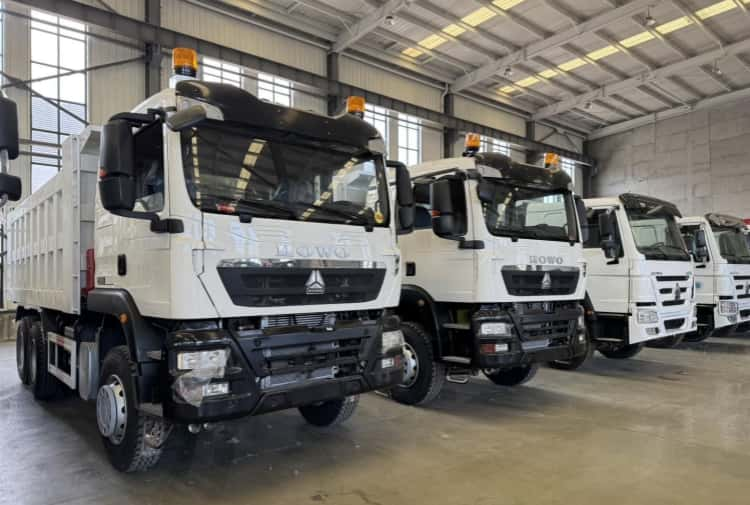
Seasonal surges often have tight, predictable start dates. New OEM orders cannot reliably align with these seasonal timelines, due to manufacturing queues and global component delays. REMAN ROAD reman trucks are drawn from pre-screened core pools and built on standardised workflows. Fleets can lock in allocations months ahead of peak season, or add extra units at the last minute if demand outperforms forecasts. This removes the risk of entering the busy season shorthanded, with no viable equipment option to close the gap.
Flexible ownership and leasing structures reduce off-season pressure
Verified remanufacture’s stable collateral profile supports flexible financing and lease structures. You can arrange payment terms aligned with seasonal revenue streams, instead of fixed monthly payments that continue through low-income quiet months. When the season ends, you have options beyond holding idle equipment. You can trade the truck back into the regional core pool, reassign it to another active site, or lease it out to a peer fleet that faces a different seasonal schedule. This turns idle asset cost into a potential revenue stream.
It creates a layered fleet portfolio
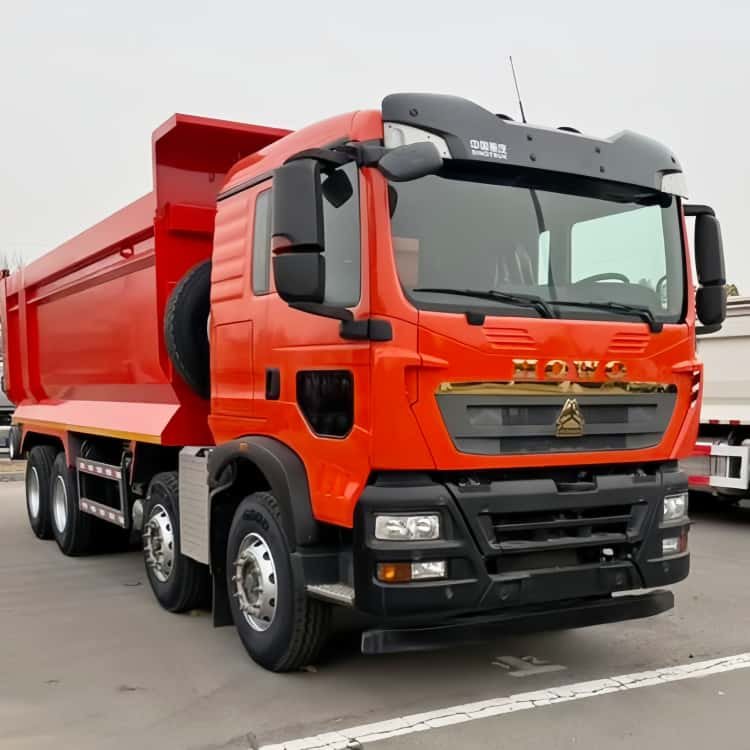
The most resilient seasonal fleets use three asset tiers. A small core fleet of new trucks handles year-round, critical routes where emissions compliance and full OEM warranty are required. Certified remanufacture forms the flexible swing capacity, activated for harvest, quarry peak, wet-season earthworks or holiday logistics surges. Short-term spot rentals are reserved only for unexpected, one-off spikes. Verified remanufacture sits in the middle layer: lower cost than new, far more reliable than random used stock, and cheaper than repeated spot rental over multiple seasonal cycles.
Stable TCO makes seasonal budgeting predictable
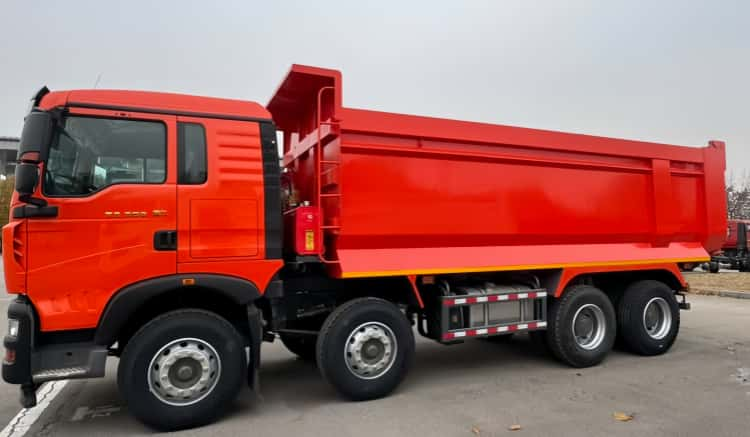
Seasonal tender pricing and operational budgets are easy to break when asset costs are volatile. REMAN ROAD verified remanufacture includes mandatory wear-part renewal, pre-release functional testing and a defined warranty scope. Maintenance schedules are duty-calibrated, and residual value can be forecasted from grading and traceability records. You can model the full cost of adding seasonal capacity before the season starts. Unplanned breakdowns and surprise repair bills, which are common with ordinary used trucks, are reduced substantially.
Shared standardisation simplifies seasonal rotation
When seasonal work ends, REMAN ROAD reman trucks can circulate between different sites and operators. Uniform build specs, transferable VIN traceability and consistent driver experience reduce re-inspection and retraining overhead. A truck used for summer road construction can move to winter aggregate haulage, as long as its duty envelope matches the new workload. This shared asset circulation maximises total utilisation of each core and reduces the total number of trucks needed across the regional fleet ecosystem.
Important guardrail: seasonal use cannot outrun fatigue limits
Seasonal peaks often mean intense, continuous off-road cycles. Even REMAN ROAD reman trucks consume their remaining fatigue budget faster under heavy, back-to-back operation. Fleet planners must calculate total expected operating hours during the peak season and select a grade with sufficient remaining capacity. Running a unit beyond its duty envelope during the rush will trigger accelerated wear and early failure, undermining the seasonal strategy. Scheduled inspection checkpoints must stay active even during the busiest shift schedules.
Final Takeaway
Certified remanufacture gives fleets a controllable swing capacity layer, smoothing seasonal demand swings without the heavy depreciation of new trucks or the hidden risk of uncertified used equipment. For fleet and procurement leaders, the key takeaway is simple: seasonal capacity planning does not force you to choose between being under-equipped in peak season or over-invested through the quiet months.