How Certified Reman Supports Your Business’s Circular Economy Goals?
Intro
Many businesses confuse circular economy with simple metal recycling. Sending a retired truck to scrap melting recovers steel, but it discards all the labour, energy and material already invested in manufacturing the chassis and major assemblies.
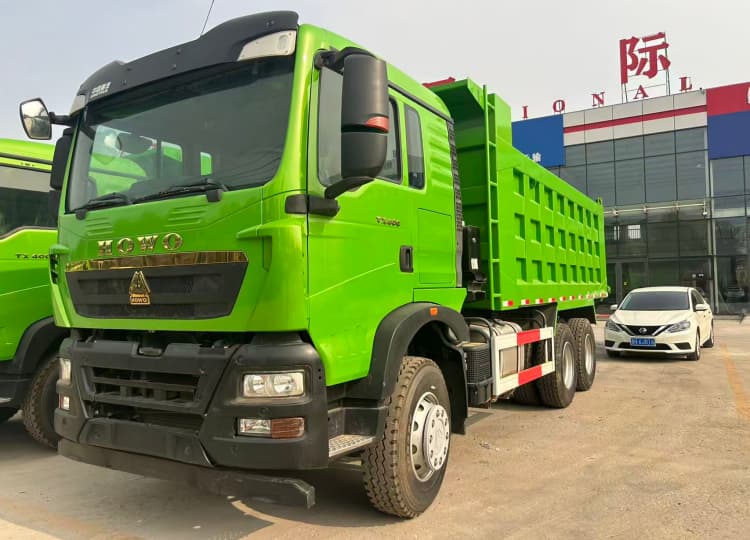
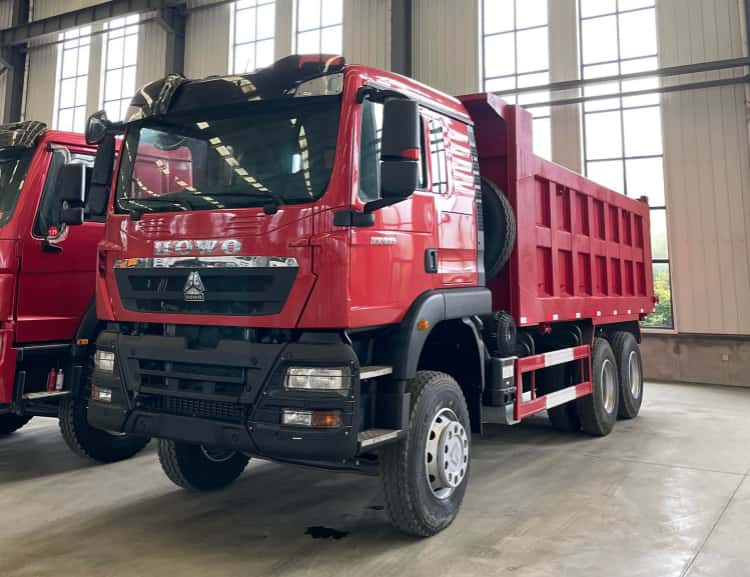
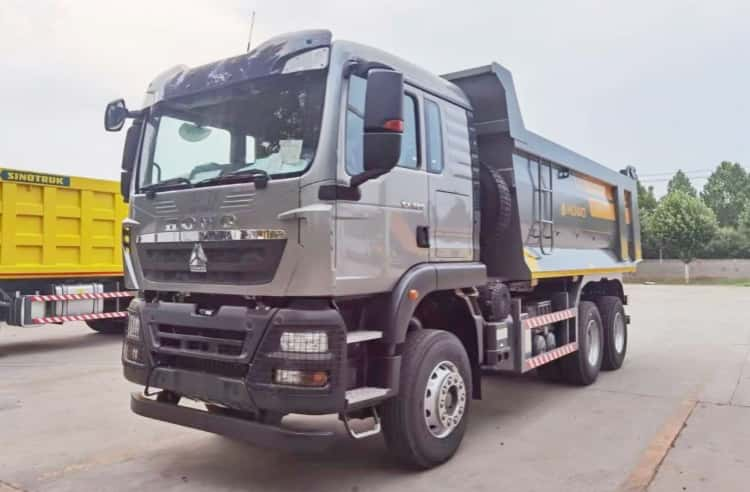
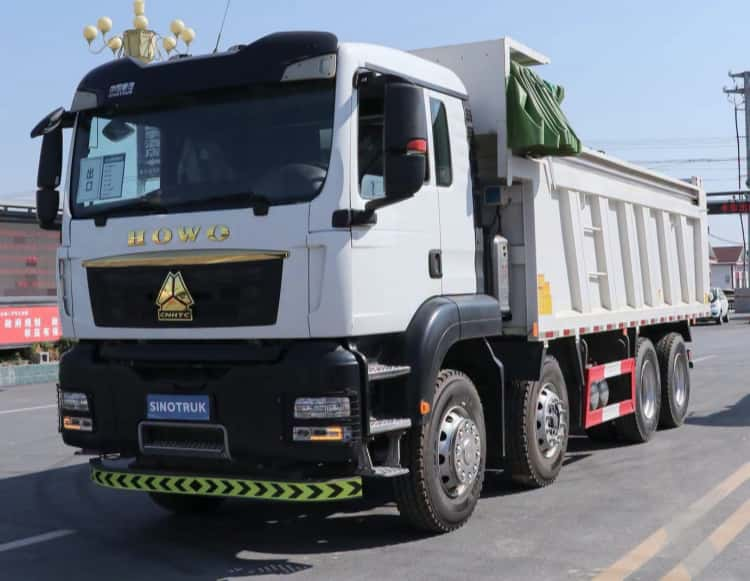
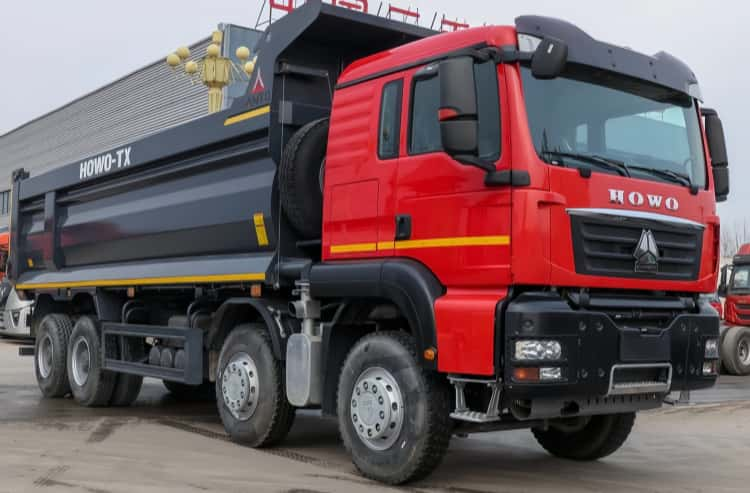
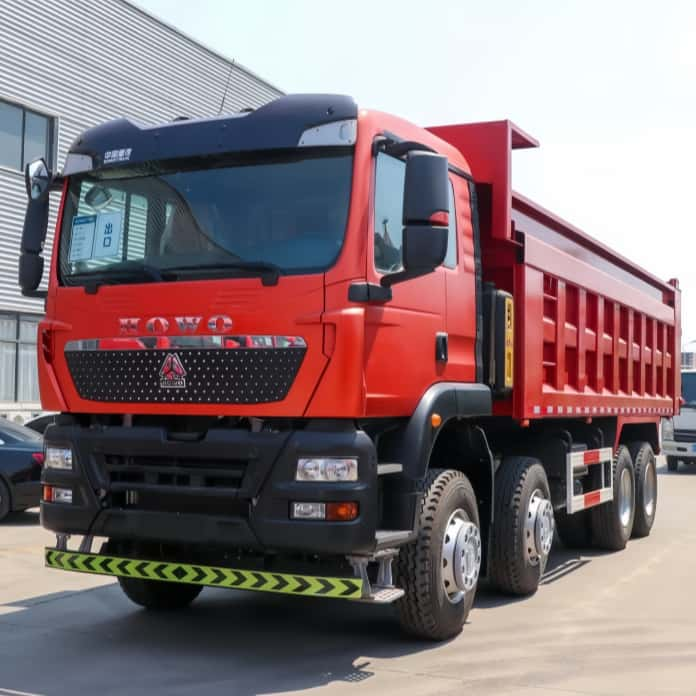
Certified remanufacturing operates at a higher tier of circularity. It retains qualified structural cores, restores assemblies to a defined performance standard and returns the whole vehicle back into productive service. REMAN ROAD’s certified remanufacturing workflow and traceability turn circular goals from marketing statements into measurable supply-chain practice.
Certified remanufacturing extends asset value before the scrap stage
The linear economy model follows a simple path: manufacture, use, scrap. Circularity prioritises keeping assets in use for as long as safely possible. When a heavy truck reaches the end of its first service life, it still has usable structural capacity if fatigue is properly assessed.
REMAN ROAD certified remanufacturing workflow screening identifies cores that can support a second lifecycle. Instead of triggering energy-intensive steel reproduction, the existing chassis is cleaned, inspected, rebuilt and re-certified. This preserves the embedded value of the asset and delays entry into the scrap stream.
It creates cascaded use for matched workloads
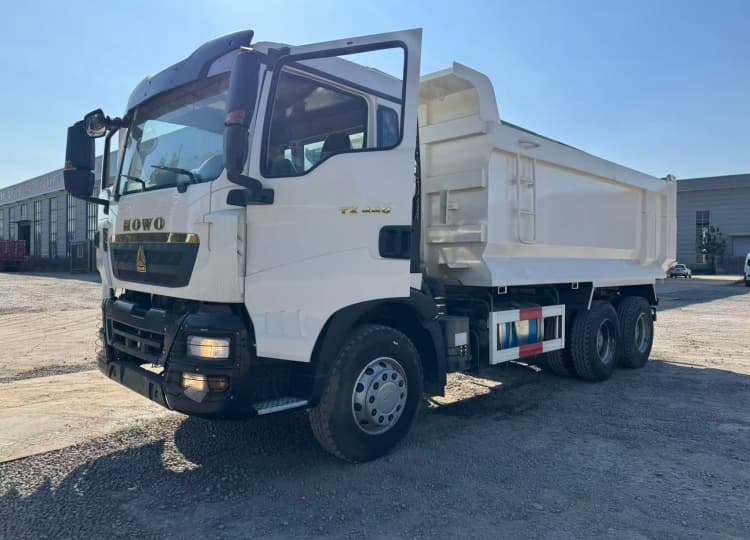
A truck that is no longer suitable for a long-term, high-intensity mining route may still be fit for lighter, short-cycle project haulage. Certified remanufacturing assigns a grade and duty envelope to each unit, matching its remaining fatigue life to an appropriate workload.
This cascaded use is a core circular principle: match asset capability to demand, rather than discarding assets the moment they no longer fit their original job. Fleets can rotate graded reman trucks across different contracts, maximising total service output from one core.
Component-level circularity within the certified remanufacturing workflow
Circularity does not only apply to complete trucks. During disassembly, parts are sorted into three streams: reuse after inspection, renewal and scrap. Healthy gears, auxiliary brackets and non-critical castings that pass metrology and NDT are retained for reuse on other eligible cores.
Worn seals, bearings and hoses are replaced with new stock. Failed structural components are sent for regulated recycling. This tiered sorting reduces raw material demand far beyond what a basic dismantling operation can achieve.
Auditable traceability proves circular performance
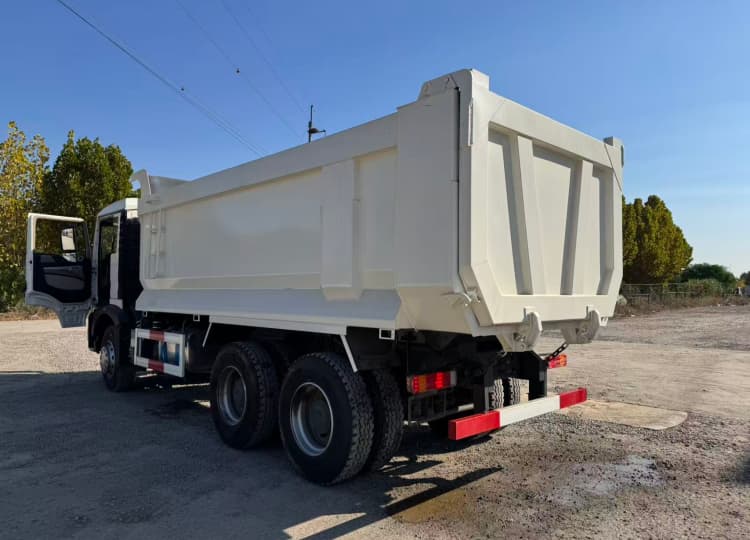
A major challenge for circular economy reporting is verification. Buyers, regulators and financiers increasingly require proof that circular claims are not greenwashing. Every REMAN ROAD certified remanufacturing build stores VIN-linked records of core intake, component sorting, waste handling and final release.
Sustainability teams can calculate avoided raw material consumption, avoided manufacturing emissions and extended service hours. This evidence supports circularity KPIs in ESG reports, tender submissions and sustainable financing reviews.
It complements recycling, rather than replacing it
Genuine certified reman still relies on recycling as a necessary backstop. Cores that fail screening, and components that cannot be restored to specification, are routed to licensed scrap and waste handlers.
Certified remanufacturing sits higher in the circular hierarchy: reuse and remanufacture come before recycling. A healthy circular supply chain uses both systems. Certified reman captures the high-value functional life; recycling safely handles the material that cannot be restored.
It builds a reusable asset pool for the wider ecosystem
Over time, consistent reman practice develops a regional pool of qualified cores and rebuildable components. Instead of every fleet buying new trucks and then scrapping them individually, assets circulate between operators.
When one project finishes, a certified reman truck can re-enter the pool for another user. This shared asset ecosystem reduces the total number of new vehicles that need to be manufactured to satisfy regional haulage demand.
Important guardrail: safety limits define the circular boundary
Circularity must never override safety. A core with irreversible fatigue, severe corrosion or crash damage cannot be kept in service just to hit circular targets.
REMAN ROAD’s strict rejection rules ensure circularity is built on engineering safety. Remaining fatigue life is finite, and the duty envelope enforces that limit. Circularity is not about keeping every old truck running forever; it is about extracting safe, responsible value from assets that still have capacity left.
Final Takeaway
Certified reman delivers genuine circularity by extending functional asset life, enabling cascaded workload matching and reducing upstream raw material demand. For sustainability and fleet leaders, the key takeaway is simple: recycling recovers metal, but reman preserves the work that went into building the truck in the first place.