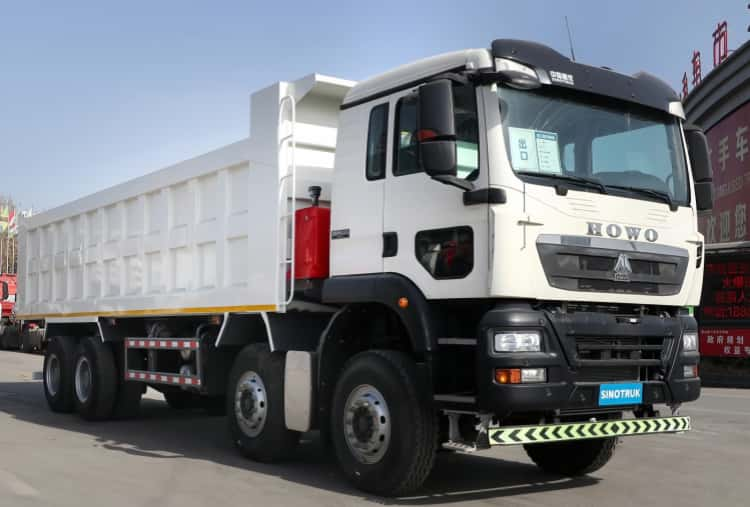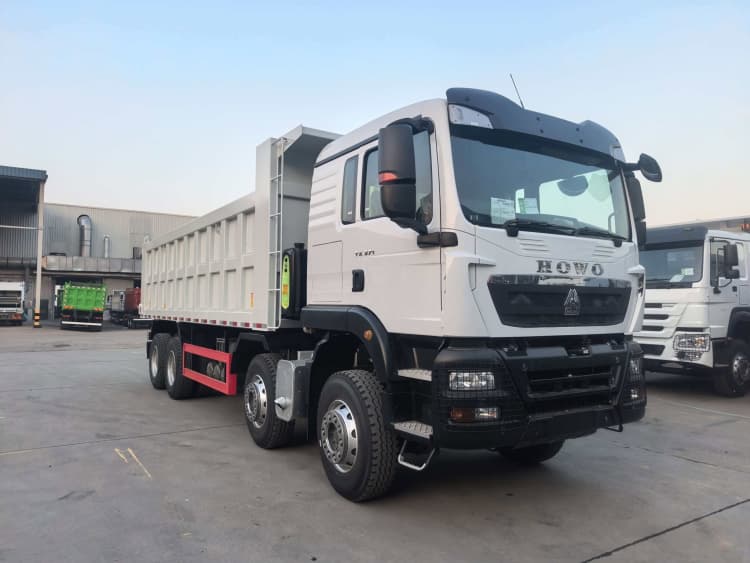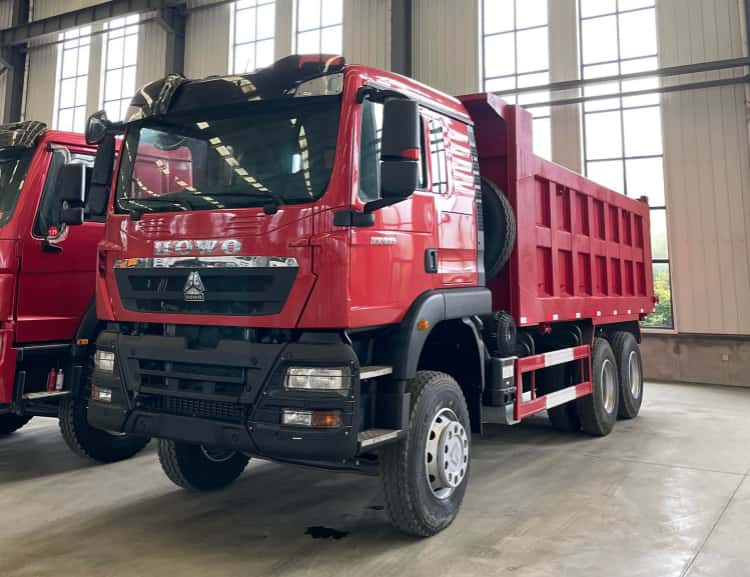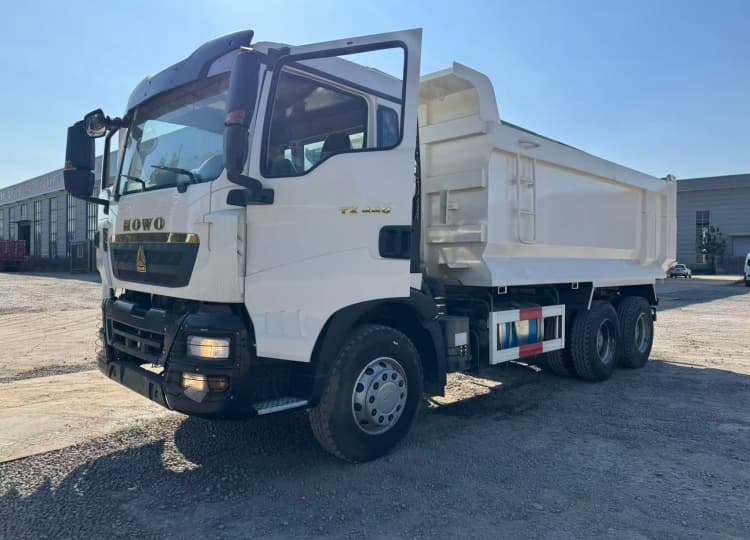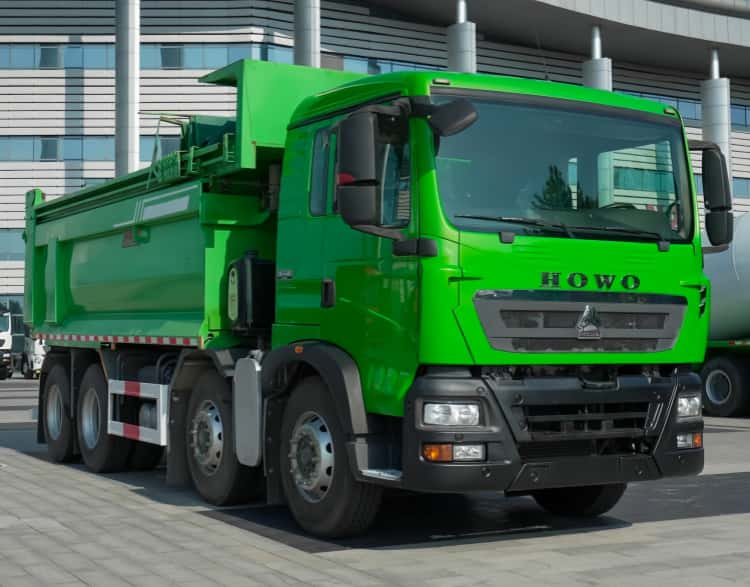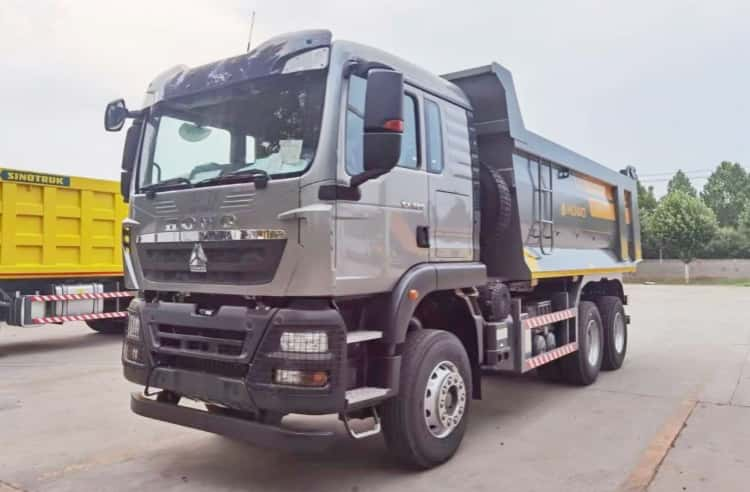
Standardized Reman Truck: Faster Lead Time for Adding Haul Capacity on Short Notice
Intro
Haul fleets often face sudden capacity pressure. A new contract award, unexpected equipment breakdown, peak quarry production or emergency site works can require extra trucks within weeks.
Brand-new heavy trucks cannot respond quickly here. OEM build schedules, component bottlenecks and cross-border shipping can stretch lead times for months. Buying random used trucks may get hardware fast, but unknown structural defects and inconsistent condition create major safety and downtime risks.
REMAN ROAD standardized reman truck fills this urgent gap. Its fixed engineering workflow and pre-screened core inventory separate delivery speed from unregulated, risky quick fixes.
New truck supply is built around long-cycle production
OEM manufacturing relies on coordinated global component supply lines. Semiconductors, engine castings, braking modules and hydraulic assemblies all need to arrive on schedule. Even when production runs smoothly, dealers and factories usually batch orders and allocate stock to long-term contracts first.
For fleets that need a small number of trucks urgently, they often sit at the back of the queue. Delays can trigger liquidated damages, idle crews and missed haulage milestones.
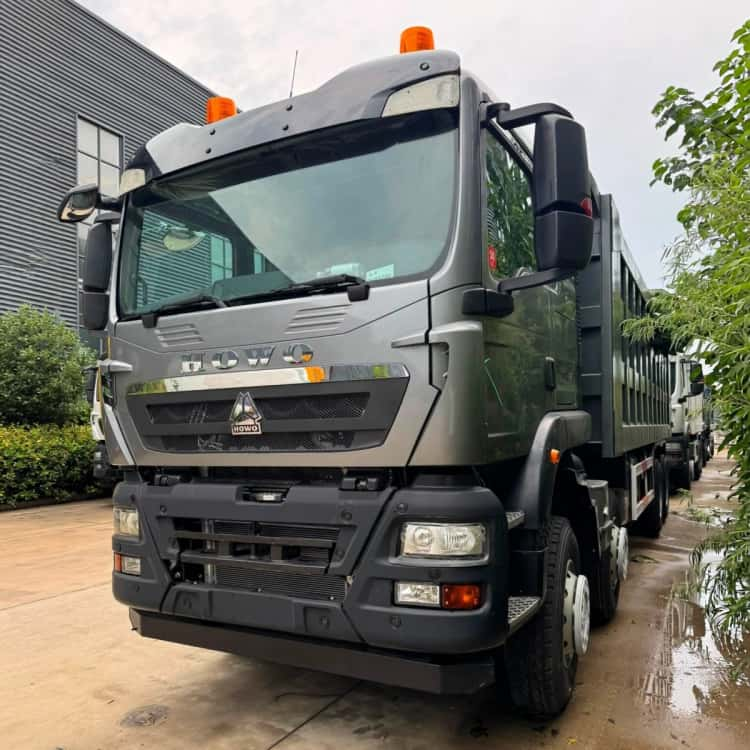
Standardized reman truck decouples delivery from OEM production timelines
REMAN ROAD maintains a continuous pool of pre-inspected, eligible chassis cores. These cores are already physically local to the reman facility, not waiting to be manufactured overseas. Because the standardized reman truck process follows a fixed, repeatable standard, technicians do not reinvent the rebuild process for every single truck.
Cleaning, NDT, component renewal, assembly and functional testing follow identical checklists for each platform. This repeatable workflow cuts variability and shortens throughput time significantly.
Ready stock of graded units supports immediate mobilisation
A mature standardized reman truck process operation holds finished, tested, traceable trucks in inventory. Each unit is pre-assigned a grade and duty envelope, with full NDT records and warranty paperwork ready.
When a fleet submits an urgent request, you can select from available stock instead of waiting for a core to be sourced and rebuilt from scratch. This is critical for mining, construction and logistics teams working with tight mobilisation clauses. You add capacity on your timeline, rather than adjusting your project schedule to match OEM lead times.
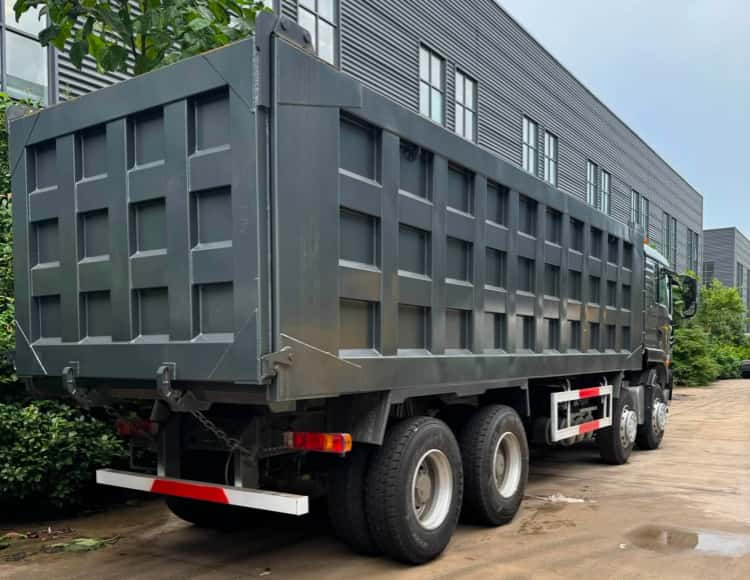
Standardisation prevents rushed, low-quality rebuilds
Speed only creates value if quality controls do not get skipped. Many informal shops promise fast delivery by cutting corners: skipping NDT, reusing worn safety components and omitting post-assembly testing. REMAN ROAD’s standardized reman truck process locks quality gates into the sequence.
No truck moves forward without structural inspection, mandatory renewal of safety-critical parts, dyno testing and final functional validation. Independent audits periodically verify that these gates are enforced even for rush orders. Fast delivery and certified safety are not competing priorities here.
Flexible incremental ordering fits urgent demand
New truck purchases often come with minimum order sizes and rigid delivery batches. Standardized reman truck lets you order one, three or ten trucks to match the exact surge.
You do not need to commit to a large fleet purchase just to cover a short peak or a last-minute contract. This aligns capital spend directly with revenue-generating work, without buying excess capacity that will sit idle later.
Traceability and documentation are ready for site induction
Urgent site mobilisation also requires fast compliance checks. Main contractors, mine safety teams and insurance providers need inspection records, duty limits and warranty proof before allowing trucks on site.
Every REMAN ROAD standardized reman truck carries a complete VIN traceability package generated during the standardized rebuild. NDT reports, component replacement logs and waste handling records are stored together. When trucks arrive, your site team can complete induction and safety checks without chasing scattered paperwork from unknown second-hand sellers.
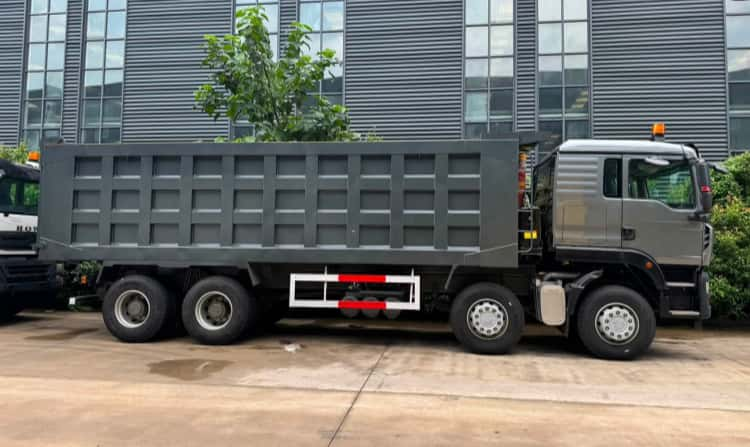
Clear limitation: fast lead time does not equal unlimited supply
Standardized reman truck has its own constraints. Regional core availability can tighten when multiple fleets rush to add capacity at the same time. Some specialised wear components may still face global supply shortages.
But the risk profile is fundamentally different from new truck delays. New truck shortages are systemic and industry-wide; reman availability is tied to local core pools and workshop throughput. Fleets can improve their access by locking in forecast allocations ahead of peak seasons.
Final Takeaway
REMAN ROAD standardized reman truck delivers short lead times for urgent haul capacity additions, bypassing OEM production and shipping delays while retaining certified, auditable safety standards. For fleet and procurement leaders, the key takeaway is simple: fast capacity does not have to mean blind, risky capacity.