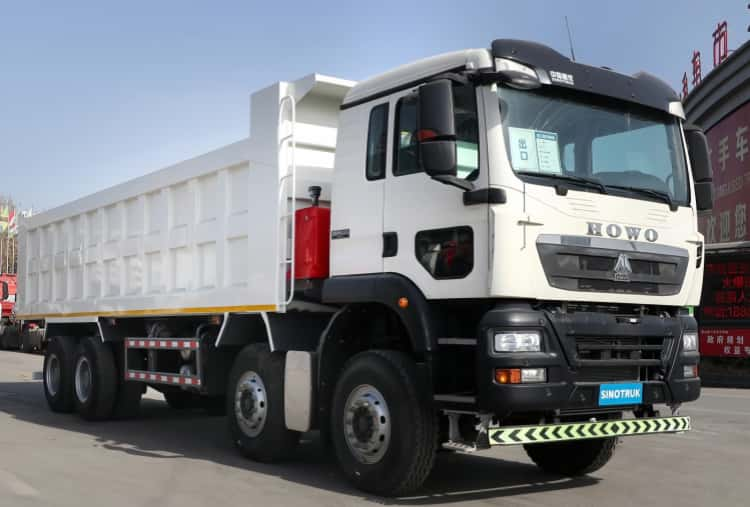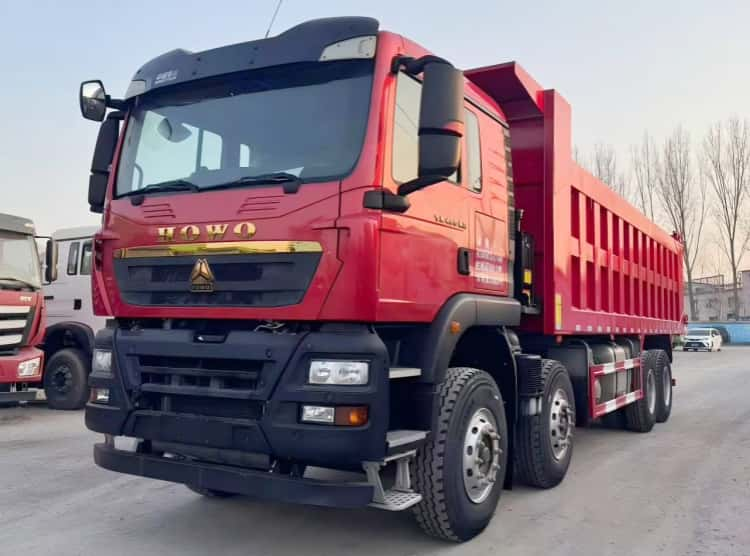
Heavy Reman Trucks: Lower Embodied Carbon Compared With Buying New Trucks
Intro
Lifecycle carbon discussions often focus only on fuel burn and tailpipe emissions. Yet a large share of a heavy truck’s total carbon footprint is locked in before it turns a wheel. This is embodied carbon: all the emissions released to mine ore, smelt steel, cast engine blocks, forge brackets and fabricate every major component.
Buying a brand-new truck commits your fleet to this one-time carbon debt immediately. Certified heavy reman trucks targets this debt directly. It keeps service-eligible structural cores in use instead of scrapping them to make room for new production. REMAN ROAD’s rigorous screening and traceability framework make these carbon savings real and reportable.
Where the embodied carbon of a new truck comes from?
Structural steel is the single largest contributor. Frame rail production, suspension castings and axle components rely on energy-intensive metallurgical processes. Even with modern manufacturing improvements, steelmaking remains carbon-heavy. Add upstream emissions for rubber, plastics, electronics and hydraulic parts, and the total embodied footprint becomes significant.
This carbon counts toward your fleet’s Scope 3 emissions, because manufacturing happens at your supplier’s tier. Fuel efficiency gains from a new truck can take years to offset this large upfront carbon burden.
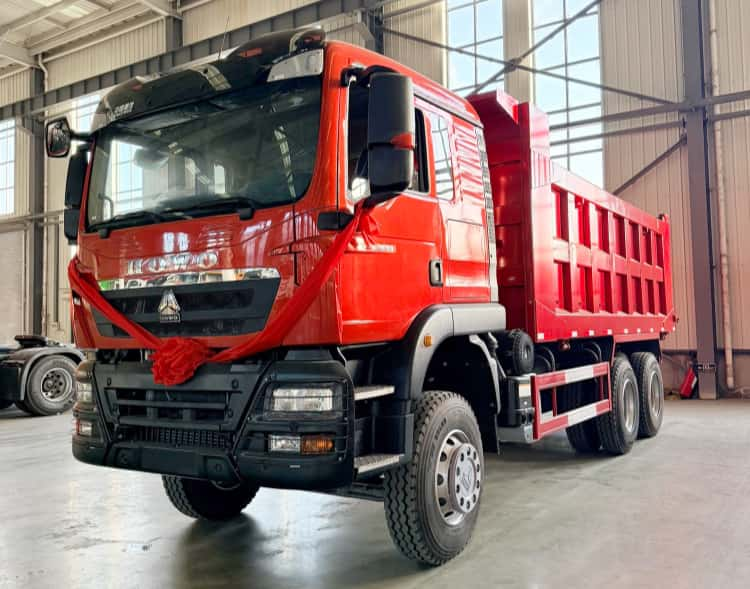
Standardised truck reman avoids repeating that carbon investment
REMAN ROAD standardised truck reman starts with intake screening to identify cores that still have safe remaining fatigue life. Once approved, the frame, major cast brackets and many heavy structural assemblies are retained for a second lifecycle. Instead of triggering a new round of steel smelting, rolling and machining, the existing asset base is cleaned, inspected and rebuilt.
Only consumable and worn components such as seals, bearings, filters and gaskets are replaced with new stock. The net effect is a dramatic reduction in the embodied carbon associated with adding another truck to your fleet.
Not all rebuilds deliver the same carbon benefit
This is a critical distinction. A cosmetic rebuild that only fixes obvious faults and skips NDT screening does not create reliable carbon savings. If the core hides undetected fatigue, it may fail quickly and end up in scrap shortly after purchase. The carbon investment of the rebuild is wasted, and the asset still fails to deliver a long second life.
Only certified heavy reman trucks, with fatigue grading and duty envelopes, ensures the retained core will safely complete its planned second lifecycle. That safety guardrail is what makes the carbon reduction credible.
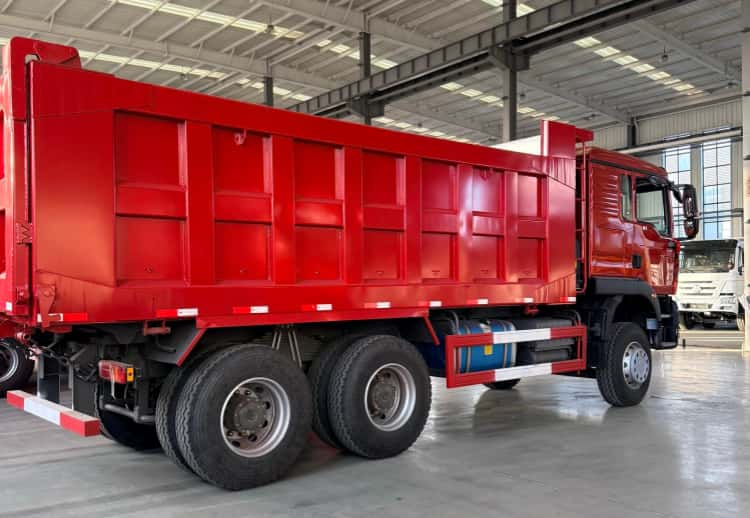
Traceability lets you quantify and report savings
Many fleet sustainability teams struggle to prove carbon reductions are not just greenwashing. REMAN ROAD certified heavy reman trucks’s VIN traceability log documents core condition, retained assemblies, replaced parts and waste disposition. Sustainability teams can calculate avoided embodied carbon by comparing the retained hardware against the equivalent bill of materials for a brand-new truck.
These certified heavy reman trucks records support ESG disclosures, client sustainability audits and tender requirements for mineral, infrastructure and logistics contracts. You are not claiming carbon savings — you can show the engineering evidence behind them.
Standardised truck reman does not replace operational emission management
Lower embodied carbon does not mean ignoring fuel-related emissions. Tailpipe fuel combustion remains part of the fleet’s Scope 1 footprint. REMAN ROAD calibrates rebuilt engines for local fuel quality and operating conditions to preserve steady fuel efficiency.
When paired with scheduled maintenance and proper duty-envelope adherence, standardised truck reman balances both upstream embodied carbon and ongoing operational emissions. It is a complementary tool, not a substitute for fuel efficiency programmes.
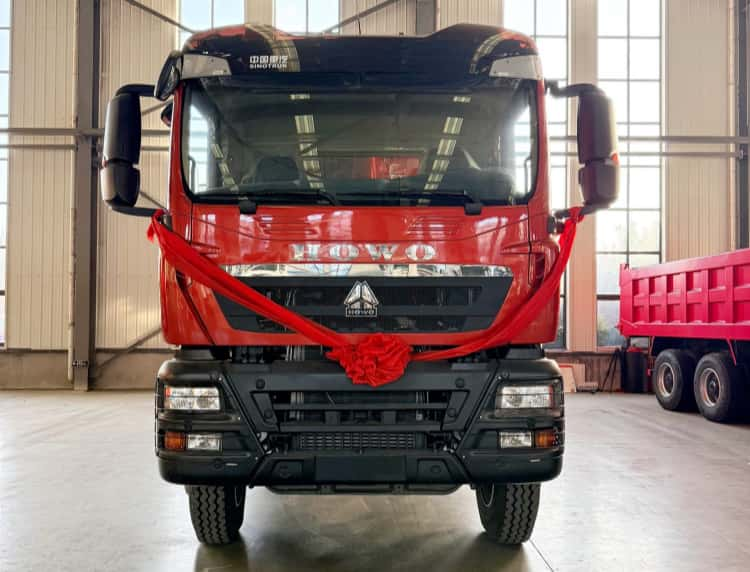
Practical fit for hard-to-abate off-road transport
Off-road mining and construction fleets often face limited supply of low-emission new heavy vehicles, alongside tight capital constraints. Certified reman becomes a transitional, cost-effective carbon solution.
It lets operators expand haul capacity while lowering the embodied carbon impact of fleet growth. Fleets can build a balanced portfolio: new low-emission platforms for priority routes, and graded certified heavy reman trucks for bulk cyclic off-site work.
Final Takeaway
Certified heavy reman trucks cut embodied carbon by avoiding the energy-intensive manufacturing required for brand-new structural cores. For sustainability and fleet leaders, the key takeaway is simple: lowering embodied carbon is about preserving the carbon investment already built into usable steel, not remaking it.