How Certified Remanufacturing Helps You Avoid Steep New-Truck Depreciation?
Intro
Depreciation is one of the quietest, biggest costs for heavy truck fleets. A brand-new heavy vehicle loses a significant share of its value the moment it leaves the factory and enters service. This initial drop is driven by market perception, warranty phase shifts and the simple fact that it is no longer “new”. Many fleet planners focus only on monthly fuel and repair bills, ignoring this front-loaded value erosion.
Certified remanufacturing avoids this trap. It does not carry the steep first-year depreciation penalty of new trucks. Its value curve is slower, more stable, and tied to remaining fatigue life and verified build records, not OEM showroom status.
New trucks hit the steepest depreciation curve early
New heavy trucks face heavy upfront value loss. Even with zero mechanical faults, the asset loses value rapidly in the first two to three years. Once the truck is registered and used, buyers will not pay new-vehicle pricing again.
If you buy new for a short-term project and sell shortly after, you can absorb massive depreciation losses. This is a serious risk for construction, mining and spot-haul fleets that need flexible capacity. The depreciation hit can easily erase the fuel efficiency benefits of a new platform.
Certified remanufacturing starts on a mature, flatter depreciation profile
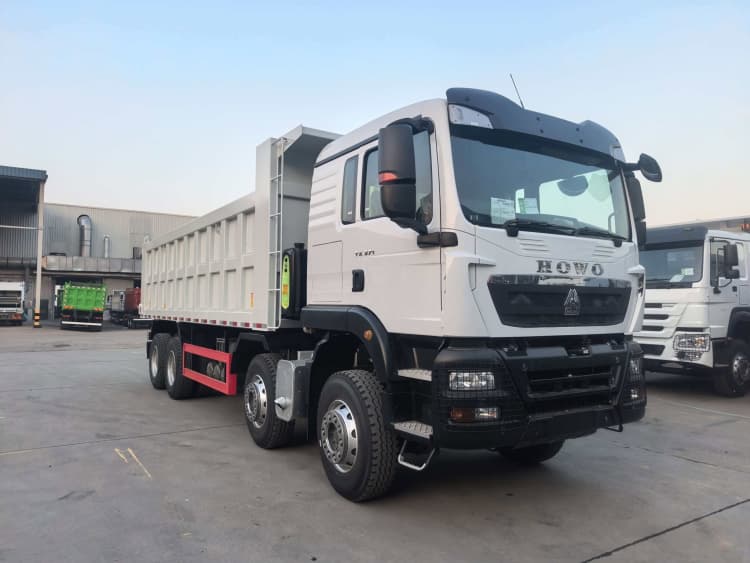
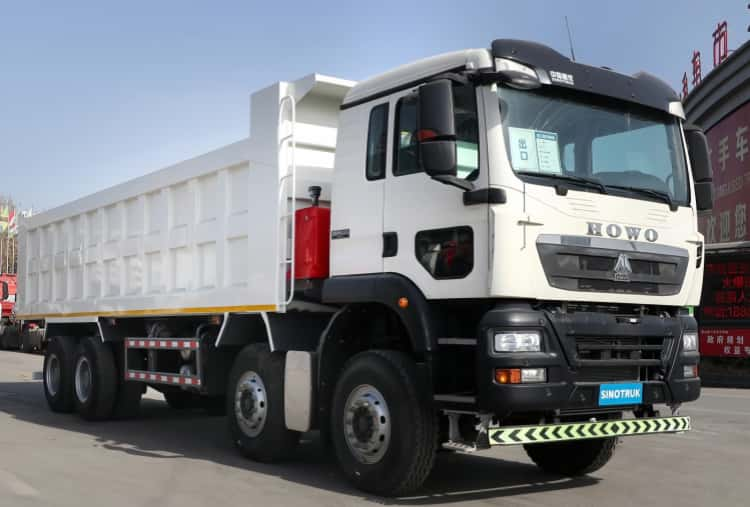
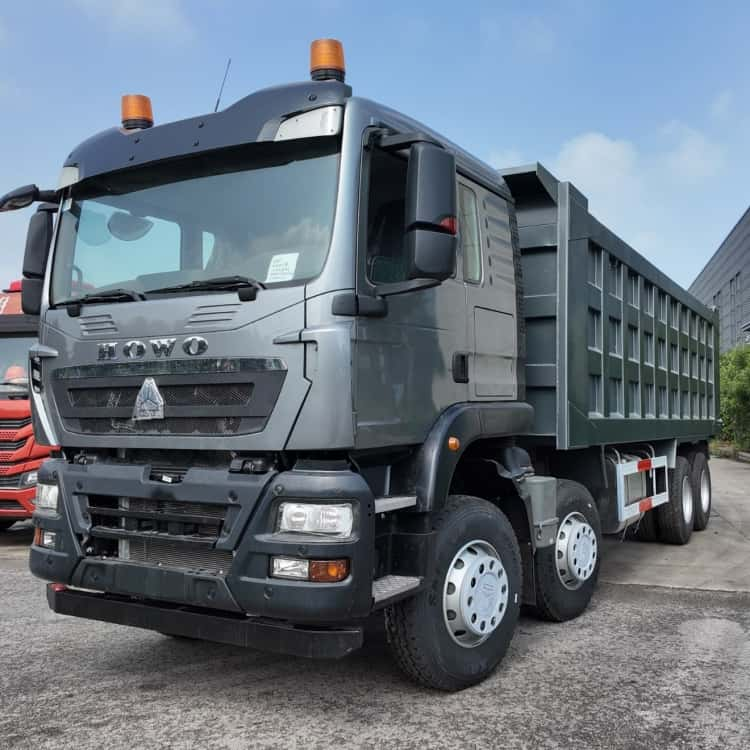
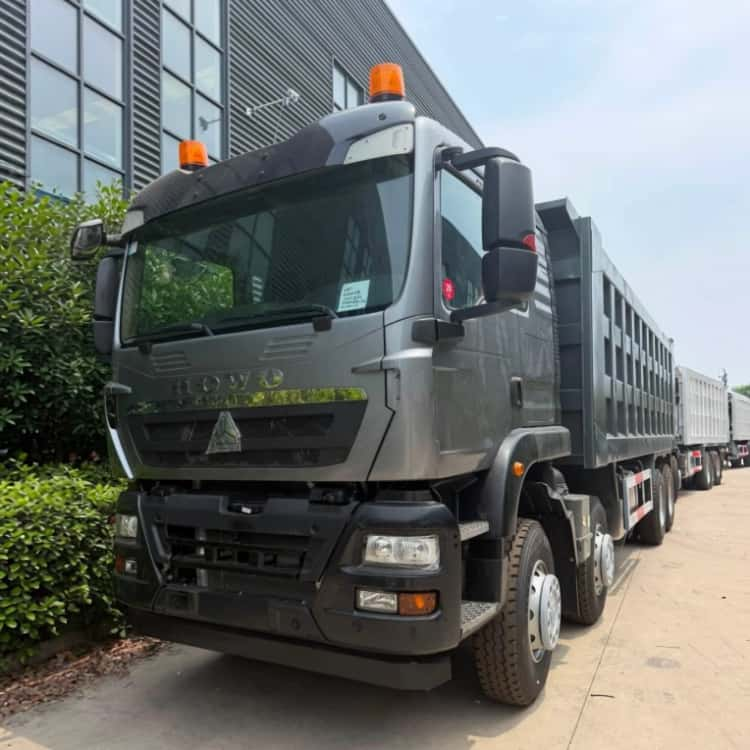
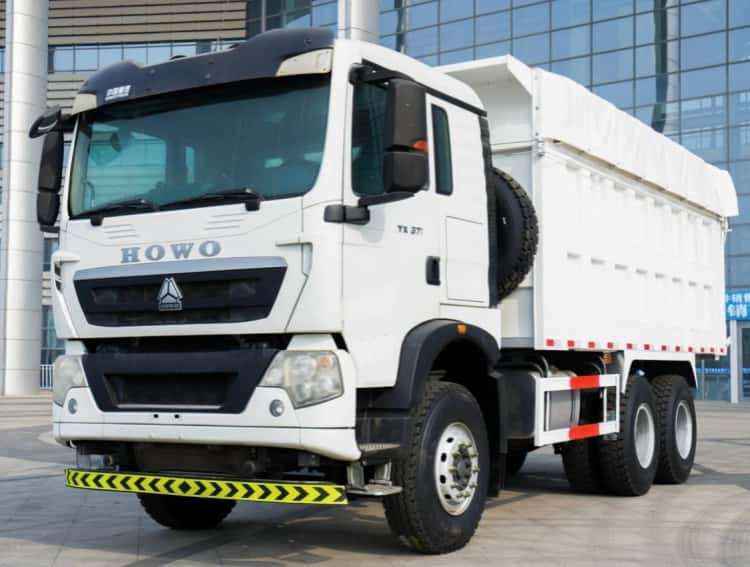
A REMAN ROAD reman truck is built on a core that has already passed that sharp initial depreciation window. Its valuation is based on post-reman grade, remaining fatigue budget, warranty scope and traceability package. There is no big “new-to-used” price drop waiting for you after purchase. When you resell reman truck later, its value decline follows a gradual, predictable path. That makes modelling residual value and total TCO far more reliable for finance teams.
Traceability and grading stabilise its resale value
Generic used trucks or informal rebuilds depreciate rapidly because buyers cannot trust their history. Purchasers discount heavily to compensate for unknown structural defects and hidden wear.
Certified remanufacturing carries transferable VIN records, NDT reports, duty grading and independent audit validation. The next buyer can verify exactly what was replaced, what was inspected and what workload limits apply.
This removes the uncertainty discount that drags down the price of uncertified second-hand equipment. Stable residual value is not automatic; it is built into the certification package.
It aligns depreciation timeline with your contract window
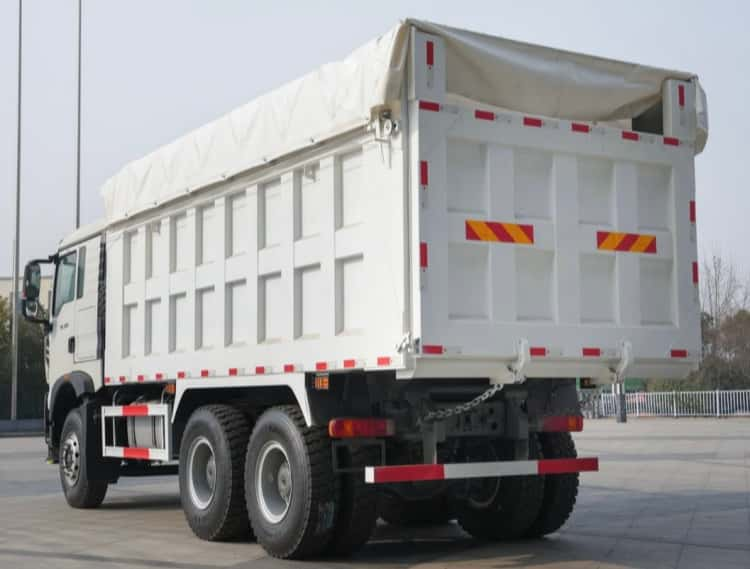
For fixed-term projects, you only hold the truck for a defined period. New trucks depreciate fastest exactly when you are most likely to resell. Certified remanufacturing’s slower depreciation matches short and medium contract cycles better.
You buy it at a lower entry point, accrue modest value loss during the project, and exit with a much smaller capital hit. This changes the math for tender pricing, because depreciation is a known, controlled variable.
Critical distinction: reman still depreciates, just not as sharply
Certified remanufacturing does not stop depreciation entirely. Every hour of operation consumes the remaining structural fatigue life and wears consumable components.
As the truck’s remaining duty budget shrinks, its market value will gradually decline. The difference is the shape of the curve. New = steep early drop. Certified remanufacturing = gentle, steady decline. Informal rebuilds follow an unpredictable curve, with sudden devaluation if hidden defects surface.
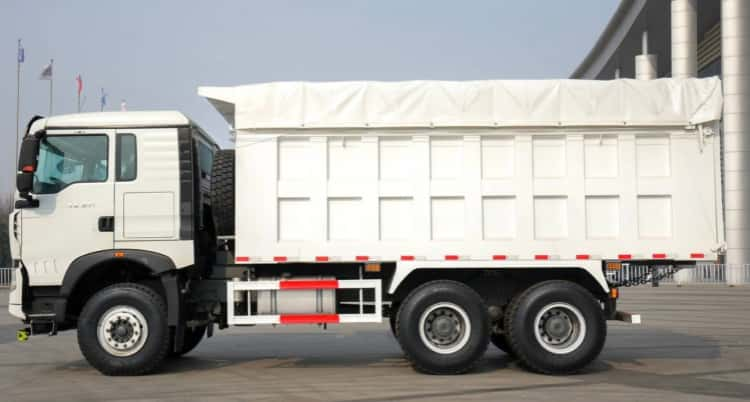
Combine asset mix to balance depreciation and performance
Well-run fleets do not fully abandon new trucks. They reserve new units for long-duration core routes where efficiency and full OEM warranty are priorities. Certified remanufacturing handles bulk, cyclic, temporary or remote-site work, where avoiding steep depreciation is a financial priority. This portfolio strategy spreads depreciation risk across the fleet and improves overall balance sheet stability.
Final Takeaway
Certified remanufacturing lets fleets skip the brutal early depreciation phase that hits brand-new heavy trucks. For fleet finance leaders, the key takeaway is simple: you still own a depreciating asset, but you avoid the biggest one-time value drop.