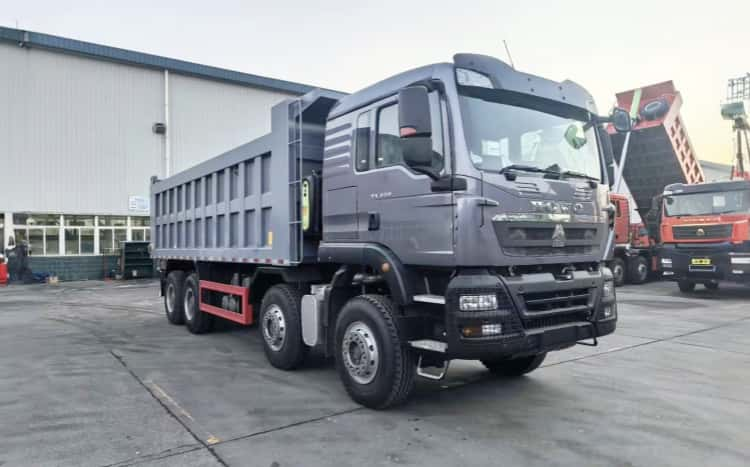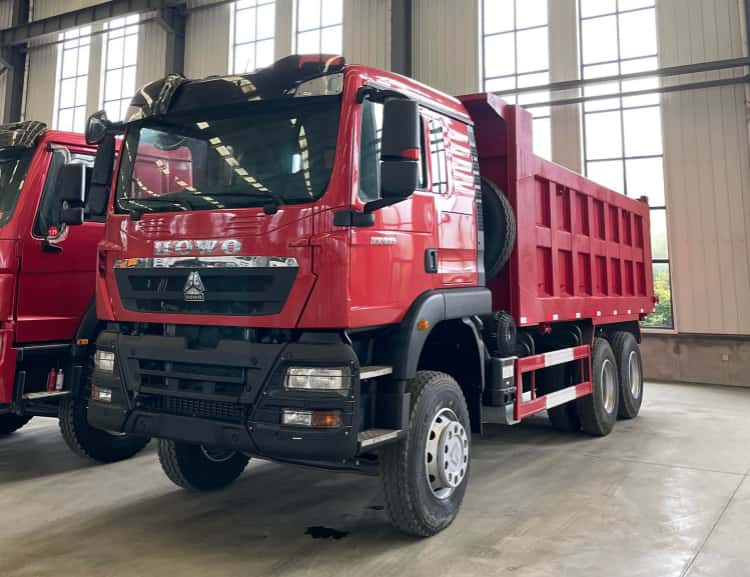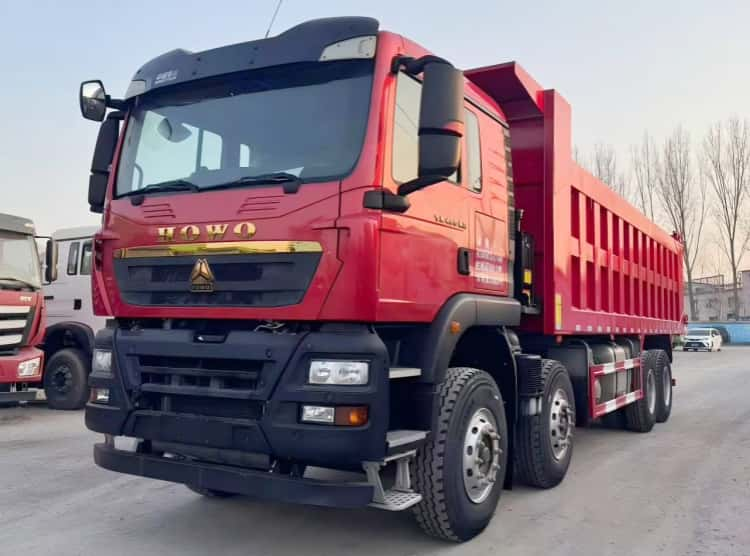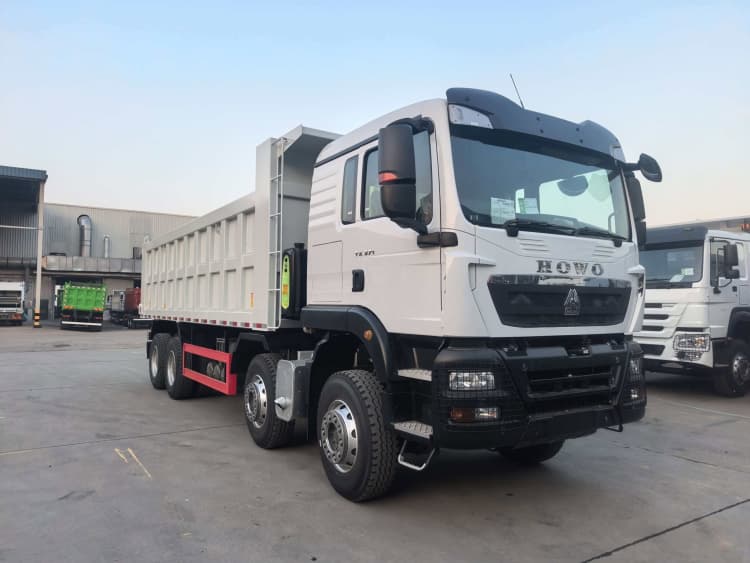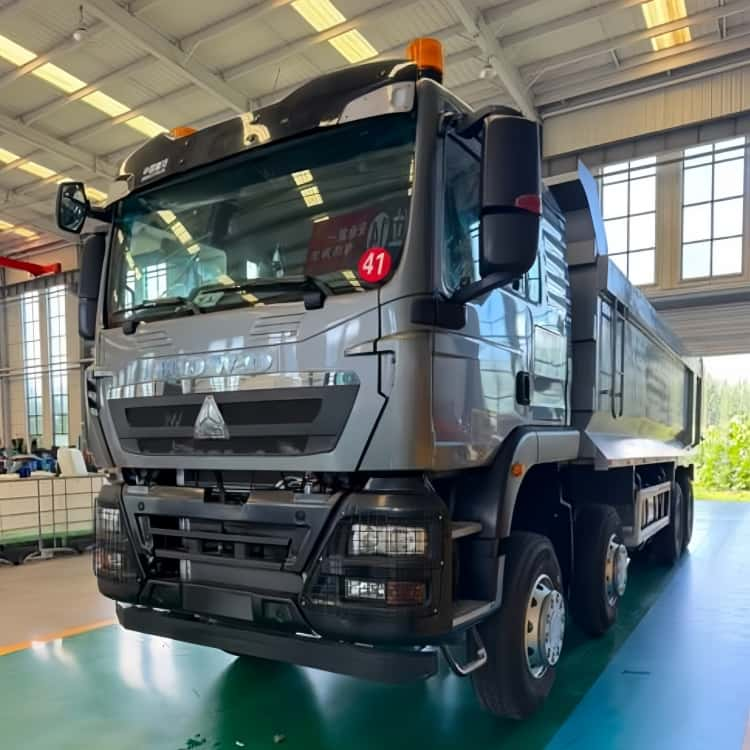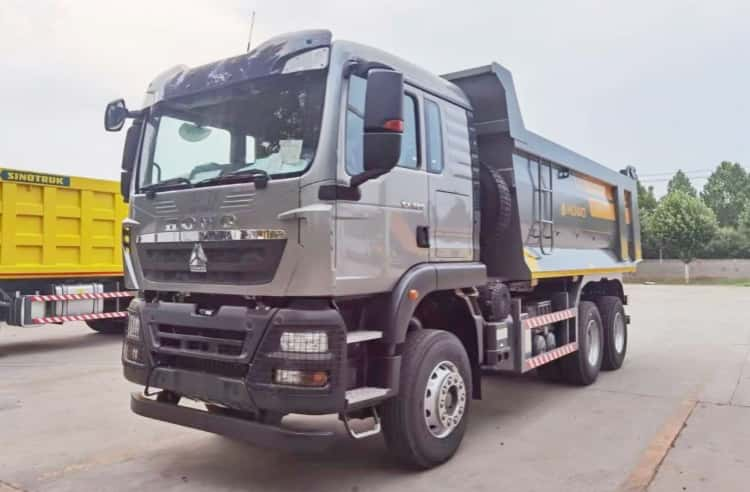
Industrial Reman Trucks: Lower Financing Burden While Keeping Reliable Work Assets
Intro
Cash flow pressure is one of the biggest limits for haulage and contracting fleets. Financing a fleet of brand-new heavy trucks locks up huge working capital. High loan balances, large down payments and rapid early depreciation leave businesses vulnerable if projects slow or revenue fluctuates. Uncertified used trucks may seem cheaper to finance, but lenders view them as high-risk collateral. They often come with higher interest rates, restrictive terms and no guarantee of uptime. Industrial reman trucks strikes a practical balance: it eases financing strain while delivering auditable, duty-rated assets that crews can depend on.
Lower principal reduces core monthly repayment pressure
The purchase price of industrial reman trucks sits well below an equivalent new unit. When the loan principal is smaller, required monthly instalments drop accordingly. This is transformative for small contractors and growing fleets.
Instead of directing most project revenue toward vehicle finance, they retain cash for labour, site consumables, contingency and new tender bids. Even with comparable loan terms, the base financial burden remains far lighter than financing new equipment.
Certified traceability improves collateral status with lenders
Generic second-hand trucks are weak collateral. Lenders cannot verify structural integrity, prior overload history or rebuild quality, so they price in heavy risk.
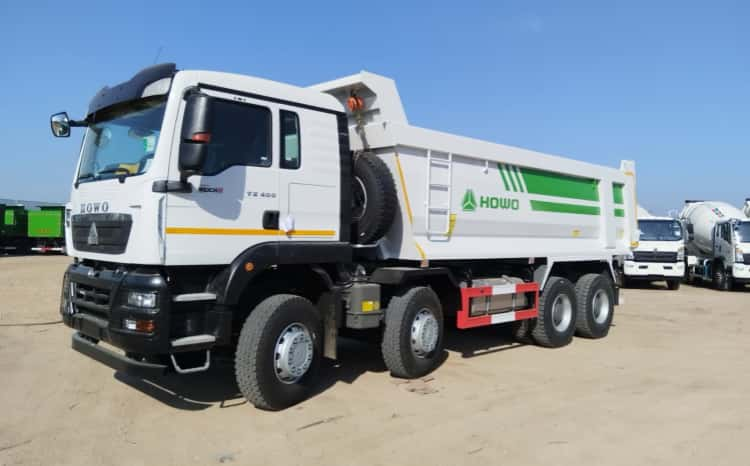
REMAN ROAD industrial reman trucks carries VIN-linked NDT reports, component renewal logs, duty classification and independent audit records. This verifiable baseline gives finance providers confidence in the asset’s true value and remaining service life. In many cases, it helps fleets secure more reasonable interest rates and longer repayment windows, compared to financing unvetted used stock.
Depreciation profile protects collateral value through the loan term
New trucks lose value fastest right after delivery. It is common for the asset to fall below the outstanding loan balance in the early years, creating negative equity risk.
Certified industrial reman trucks has already passed that sharp initial depreciation phase. Value declines gradually, aligned with consumed operating hours and duty-class usage. The stable residual value reduces the chance of being underwater on the loan. If the business needs to sell or trade the truck mid-term, the expected recovery value is much easier to forecast.
Flexible structures match finance to seasonal and project revenue
Many fleets earn revenue in uneven cycles: construction seasons, mining ramp-ups and fixed-term tenders. New truck loans usually require rigid, high monthly payments all year round.
REMAN ROAD industrial reman trucks’s predictable valuation supports tailored financing options. This includes seasonal payment plans, lease structures and balloon terms aligned with project close-out dates. Fleet operators can match payment schedules to incoming revenue streams, rather than carrying heavy fixed finance costs through idle off-season months.
Reduced contingency cash reserve requirements
Uncertified used trucks force finance teams to set aside large cash buffers for sudden major failures. That reserved capital cannot be used for growth or tender mobilisation.
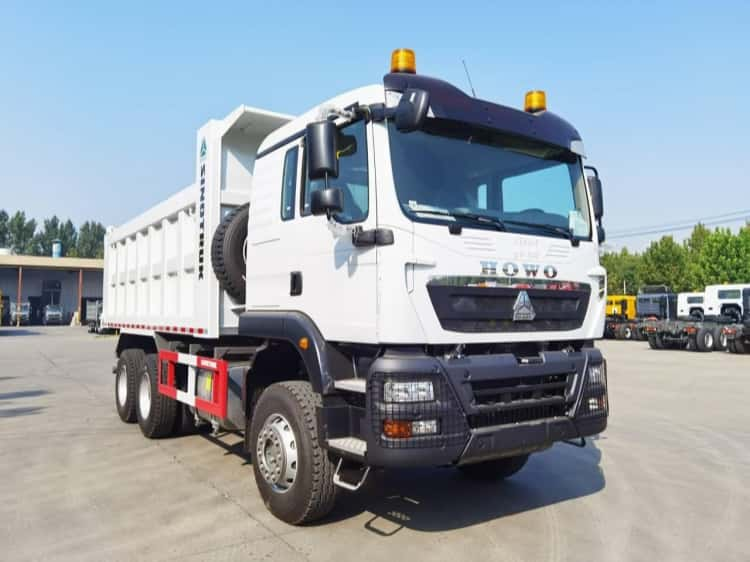
With industrial reman trucks, safety-critical consumables are renewed to standard, final testing is mandatory, and warranty coverage applies to rebuilt components. Unexpected catastrophic failures become far less frequent. Fleets can shrink that emergency repair reserve and redeploy the capital into productive work. This is an often-overlooked part of the total financing burden.
Preserve borrowing capacity for other business needs
Every business has a total credit limit. Financing a small number of new trucks can consume a large share of available credit. That leaves no room for other urgent needs: site equipment, working capital, or a sudden profitable contract award.
Because industrial reman trucks requires less borrowed capital per unit, fleets can expand asset count without maxing out credit lines. It lets procurement build fleet capacity in a way that keeps borrowing headroom available.
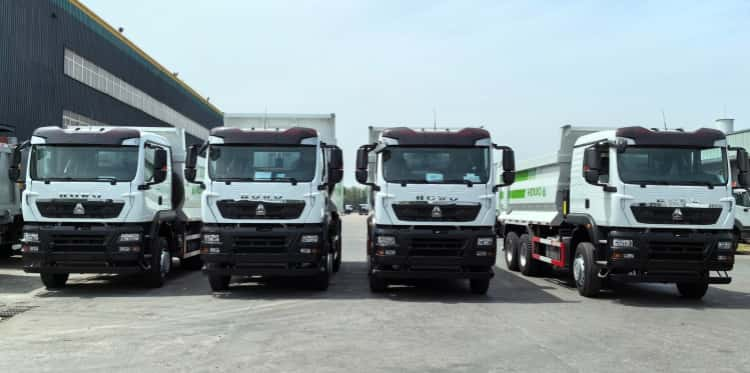
Important guardrail: lower financing burden does not remove credit discipline
Industrial reman trucks certification improves collateral quality, but it does not eliminate lending rules. Lenders still assess business credit, cash flow and contract backlog. Overloading trucks beyond duty classification, skipping scheduled inspections or causing avoidable structural damage will erode residual value.
If the asset’s documented grade is compromised, both warranty coverage and collateral value suffer. Finance relief depends on operating the truck within its published duty envelope and service schedule.
Final Takeaway
REMAN ROAD industrial reman trucks cut loan principal, stabilise collateral valuation and support flexible financing terms, easing monthly finance pressure while maintaining the reliable, auditable performance required for heavy haul work. For finance and fleet leaders, the key takeaway is simple: lighter financing does not mean you have to accept unreliable equipment.