Why Cosmetic Refurbishment Does Not Equal Lifecycle Reset?
Intro
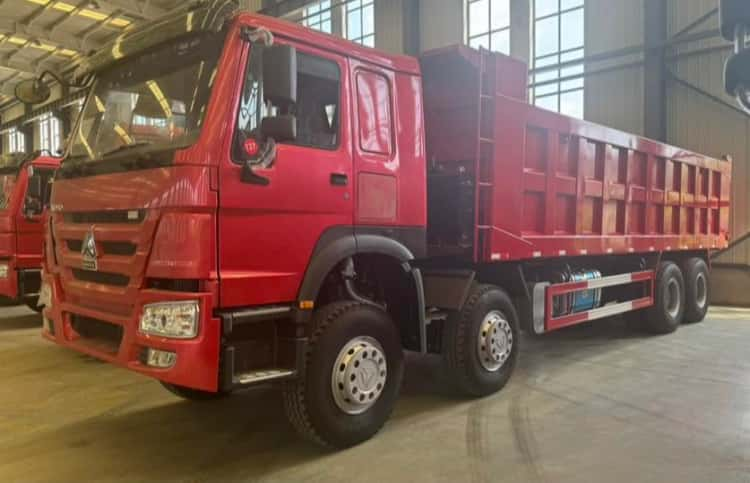
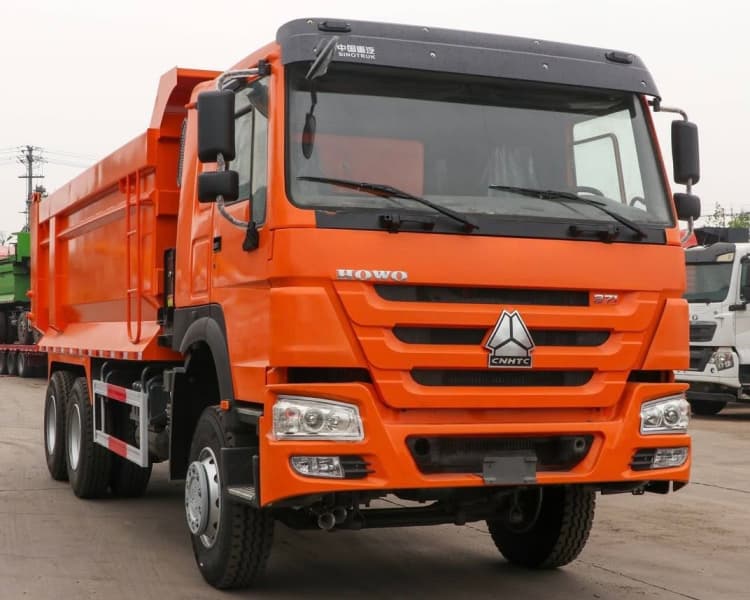
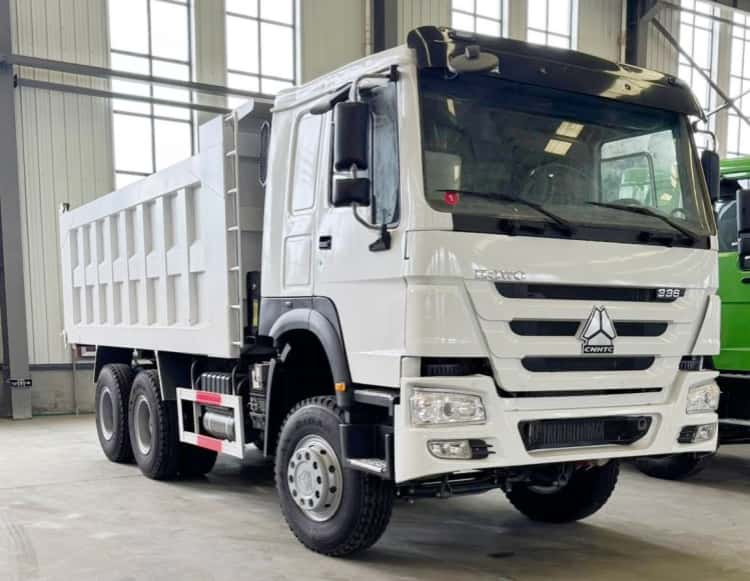
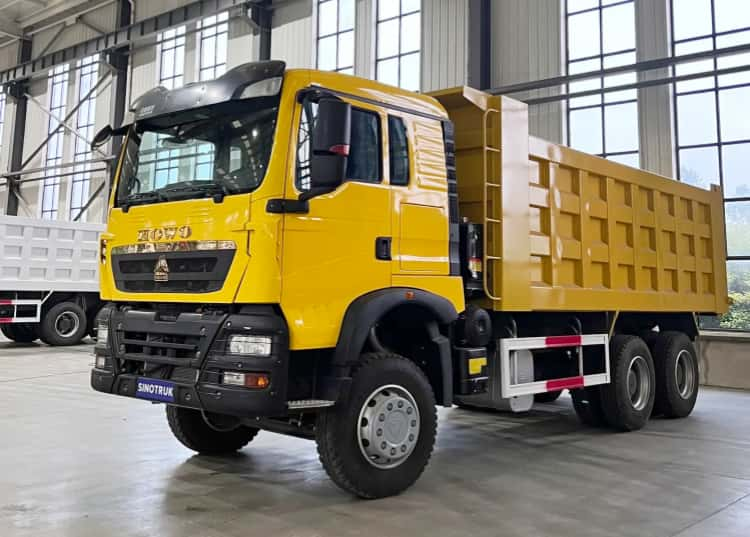
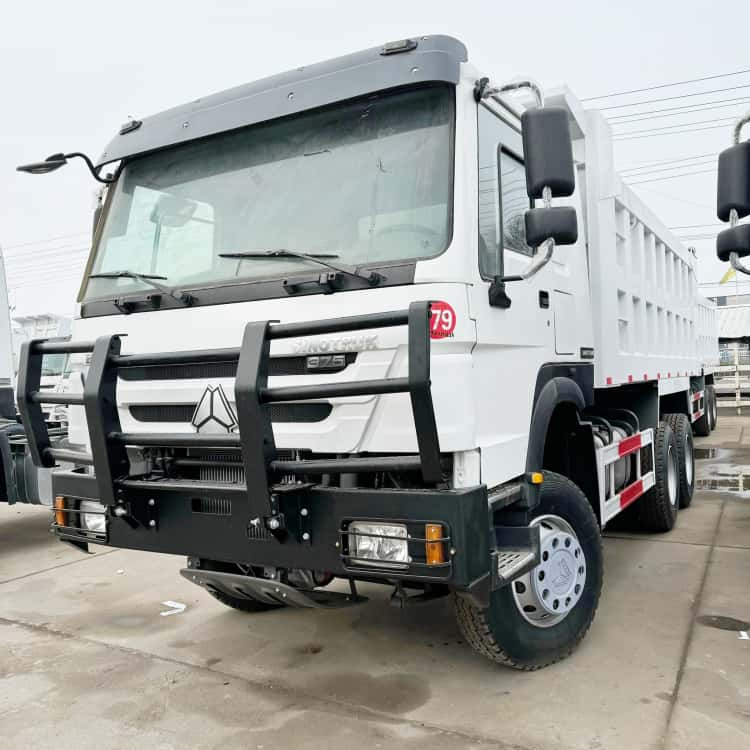
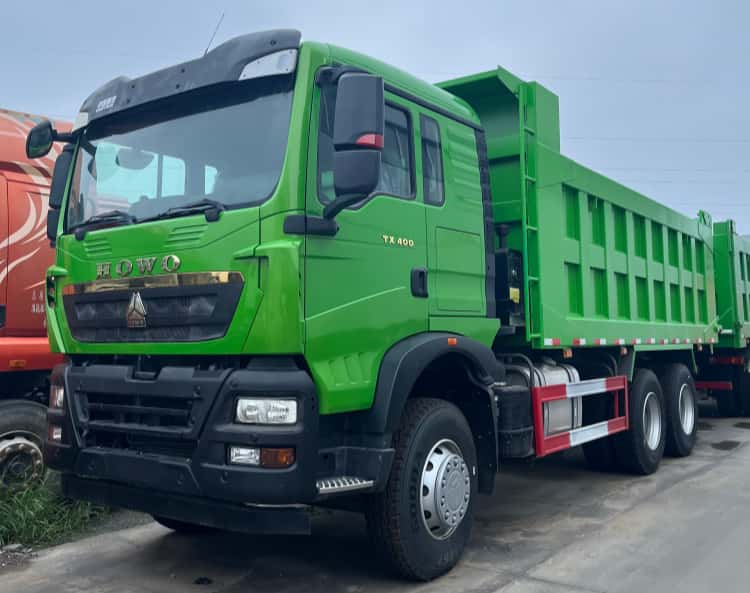
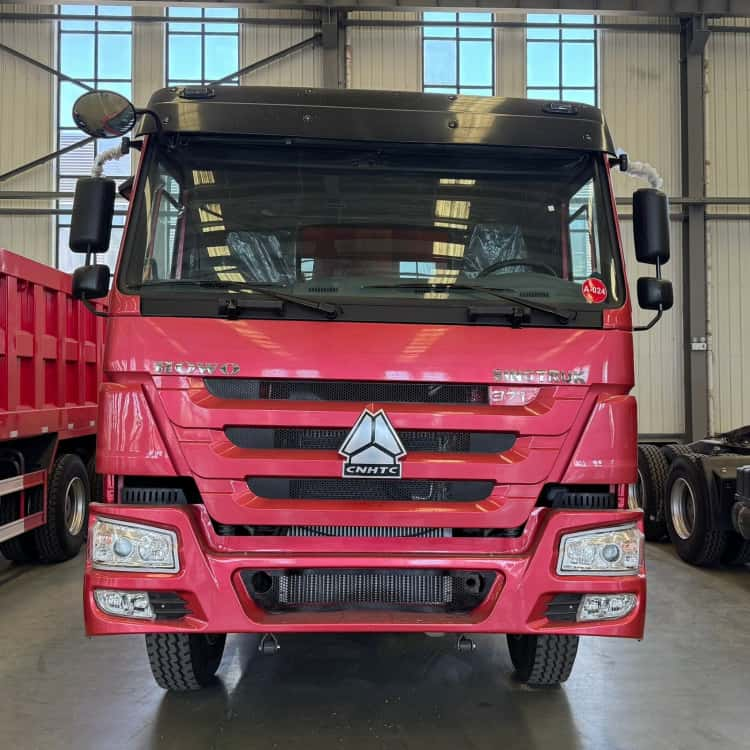
Many fleet buyers judge a used heavy truck by its appearance. A fresh paint job, new seat covers and polished fittings can make an old vehicle look brand new. This kind of cosmetic refurbishment is common in the second-hand truck market. But a shiny exterior does not reset the wear, fatigue and hidden damage built into the chassis over thousands of loaded cycles.
Genuine lifecycle reset is the core promise of certified remanufacturing. It targets the structural and mechanical health of the asset, not just its visual look. Mixing these two concepts is a costly trap for haulage, quarry and municipal fleets. Vehicles that only get cosmetic touch-ups often suffer unexpected breakdowns soon after purchase.
What Cosmetic Refurbishment Actually Covers?
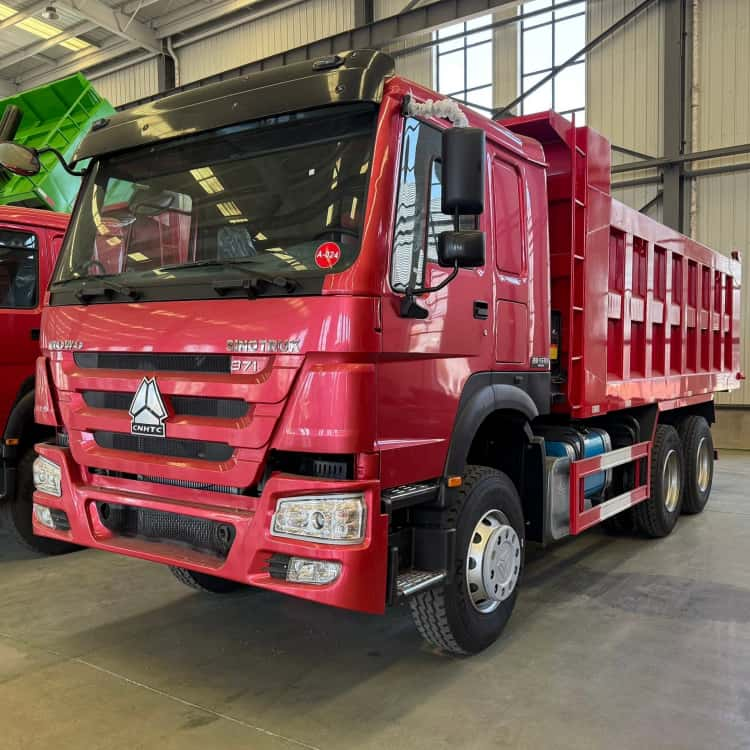
Cosmetic refurbishment focuses entirely on visible surfaces. Workers fix scratches, dents and faded paint on the cab, tipper body and outer panels. They may replace worn lights, trim, upholstery and rubber door seals. The goal is simple: improve visual appeal to raise the resale value.
No deep disassembly is required for this process. The frame, suspension mounts, welds, fasteners and hydraulic core components stay assembled. Technicians do not open the high-stress zones where fatigue cracks usually form. Rust may be sanded and painted over, but underlying corrosion is not removed or evaluated.
All the aging and stress inside the vehicle remains unchanged. The wear cycle of the frame, axles and powertrain continues from where it left off. The clock on the asset’s service life never gets reset.
What a True Certified Remanufacturing Lifecycle Reset Requires?
Lifecycle reset is the engineering standard behind certified remanufacturing. It starts with full teardown of the whole truck down to individual assemblies and bare chassis rails. Every load-bearing metal surface is cleaned and opened for inspection.
Critical structures go through mandatory NDT fatigue testing. Ultrasonic or magnetic particle scans catch invisible subsurface cracks that paint will hide forever. Fatigue-sensitive parts such as U-bolts, bearings, brake linings and hydraulic seals are replaced by rule. They get swapped out even if they look perfectly fine to the naked eye.
After reconditioning, all linked systems are calibrated back to original design specs. Braking distribution, driveline alignment, suspension geometry and hydraulic tipping pressure are tuned and tested. The finished truck runs through loaded performance validation under its certified duty envelope. Every inspection action is logged and tied to the VIN for traceability.
This certified remanufacturing process resets the safety margin and usable service window of the asset. It creates a predictable second lifecycle, not just a nicer-looking old truck.
The Hidden Risks When You Confuse The Two
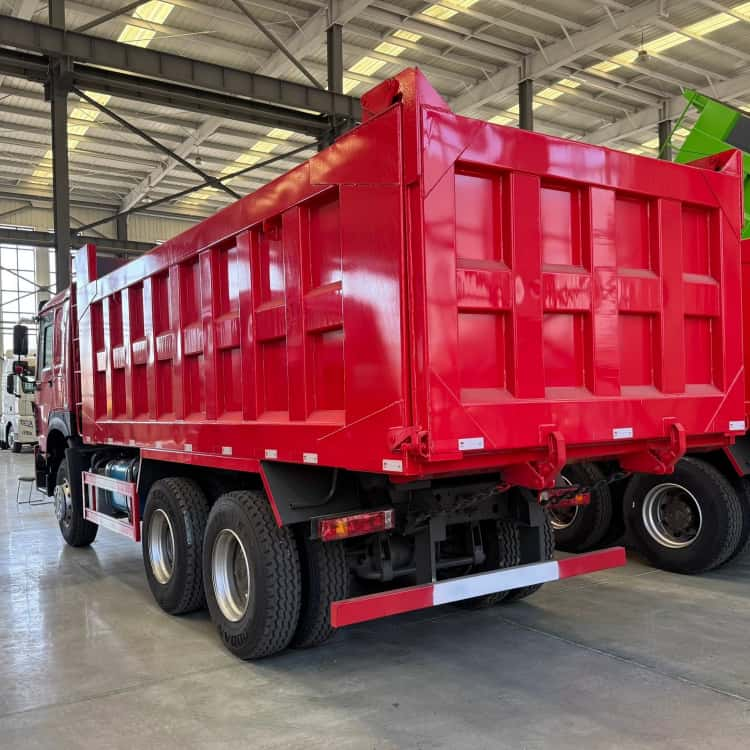
The biggest danger is false confidence. When a truck looks clean and new, dispatch teams tend to assign it to heavy, high-cycle haul work. But the hidden fatigue inside the chassis is still active. Cracks that were covered by paint can expand rapidly under repeated heavy payloads.
Downtime risk rises sharply. Cosmetic refurbishment does not reduce the chance of frame failure, suspension separation or hydraulic blowouts. When these failures happen, they often come with expensive consequences: load spills, site shutdowns and contract penalties.
There is also no audit trail. Cosmetic work rarely comes with structural inspection reports or test records. If a safety incident occurs, you cannot prove that the chassis was checked or cleared for heavy operation.
How to Tell Them Apart When Sourcing Trucks?
You cannot rely on photos or a walkaround visual check. A well-executed cosmetic job can fool even experienced fleet supervisors.
Ask the supplier for proof of full teardown and NDT scan records. Check whether mandatory fatigue parts were replaced, not just cleaned. Confirm that loaded functional testing was completed after reassembly. A remanufacturing lifecycle reset asset will have this full package of traceable documentation. A purely cosmetic refurbishment cannot provide these records.
Final Takeaway
Cosmetic refurbishment only changes how a truck looks. Lifecycle reset changes how safely and reliably it can perform work. Paint can cover damage, but it cannot erase metal fatigue. If your fleet needs a heavy-duty asset with a predictable second life, surface touch-ups are never enough. Only standardised certified remanufacturing process can deliver a true lifecycle reset.