How Genuine Remanufacturing Eliminates Hidden Corrosion Risks?
Intro
Corrosion is one of the quietest killers of heavy-duty transport assets. Visible rust on the frame rail is easy to spot. Hidden corrosion trapped between mating metal surfaces, inside weld crevices and under bolted joints is far more dangerous.
Many second-hand rebuilds only treat corrosion that you can see. They sand surface rust and cover it with paint or primer. This hides the problem temporarily, but corrosion continues to spread under the coating.
Genuine remanufacturing is built to eliminate these hidden corrosion risks entirely. It relies on full teardown, aggressive cleaning, quantitative inspection and controlled remediation. This genuine remanufacturing process removes the blind spots that allow corrosion to silently erode the chassis safety margin.
Where Hidden Corrosion Usually Hides?
Corrosion builds up in places that stay sealed in normal workshop overhauls.
It accumulates between frame rails and crossmember mounting plates. It creeps under U-bolt saddles, suspension brackets and reinforcement pads. It settles deep inside weld root gaps and overlapping sheet metal joints. Road salt, mud, moisture and acidic site dust get trapped in these interfaces. Once sealed, the corrosion progresses out of sight.
As long as assemblies stay bolted together, inspectors cannot access these contact zones. Even a close walkaround inspection will miss it. Empty-yard testing will never reveal this internal decay.
This is the core reason partial disassembly and cosmetic refurbishment cannot address hidden corrosion.
Step 1: Full Teardown Opens All Sealed Interfaces
The first genuine remanufacturing process control measure is mandatory full teardown. Every load-bearing assembly, bracket, spacer and fastener is separated from the chassis. No mating metal surface remains clamped together.
This breaks open every trap point where moisture and corrosive residue have collected. Frame rails, crossmembers and all welded joints are exposed as bare, separated components. Only at this stage can the full corrosion condition be assessed.
Without this genuine remanufacturing process , any corrosion assessment is incomplete. A reman supplier that skips full teardown can only guess what sits under the brackets.
Step 2: Industrial Cleaning Removes All Contamination
Once disassembled, all structural parts go through heavy-duty industrial cleaning. This is not simple hand-wiping or light pressure washing.
Media blasting, chemical stripping or high-pressure abrasive cleaning removes old paint, scale, packed dirt and rust deposits. Every crevice, bolt hole, weld groove and contact face is fully cleaned down to raw metal.
Cleaning does two critical jobs. It stops existing corrosive residue from being locked back into the rebuilt truck. It also creates a uniform metal surface for accurate corrosion inspection. Residual grime or old paint will mask pitting and section loss during NDT and dimensional checks.
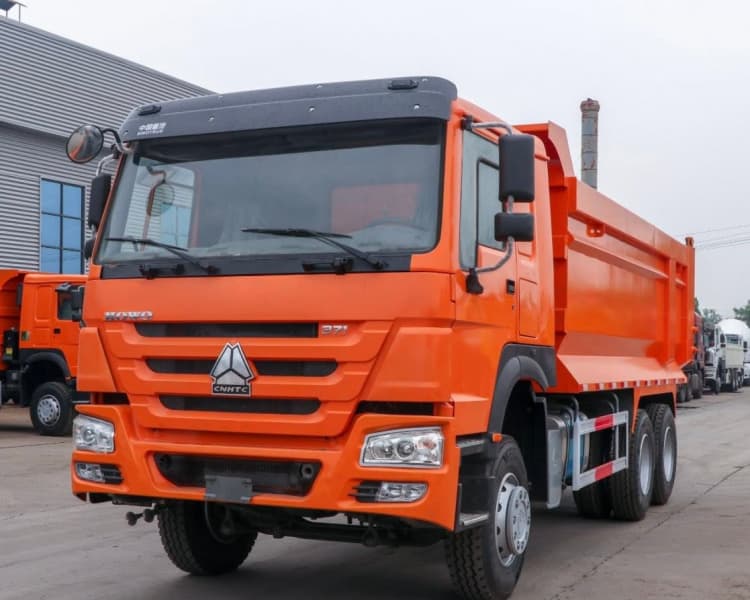
Step 3: Quantitative Corrosion Inspection and Acceptance Rules
Clean parts move to formal corrosion inspection. Genuine remanufacturing does not rely on visual judgement alone.
Inspectors measure pit depth, remaining wall thickness and section loss with calibrated gauges. They map corrosion locations on the chassis drawing. Each measurement is compared against the fixed acceptance baseline.
Shallow, stable surface pitting that stays within thickness limits may be approved after surface treatment. Deep pitting, through-wall corrosion, or corrosion located on high-stress weld zones triggers automatic rejection. These parts are marked as recyclable scrap and will not return to the build.
NDT testing is also used alongside thickness checks. Corrosion often creates stress risers that initiate fatigue cracks. Ultrasonic and magnetic particle scans check for crack formation alongside corrosion mapping.
Step 4: Controlled Remediation for Acceptable Corrosion
For cores that fall within the corrosion acceptance window, remediation follows strict genuine remanufacturing rules.
Corroded surfaces are smoothed to eliminate sharp pit edges. Sharp pits act as stress concentration points and are the starting point for fatigue cracks. Weld repair is only permitted under defined engineering limits. Repair welding is not allowed on critical frame sections where heat will weaken the base material.
After remediation, the part is re-measured and re-scanned to confirm no new defects were introduced. Borderline parts are rejected rather than patched. Genuine reman avoids risky “patch and cover” repairs common in cheap rebuilds.
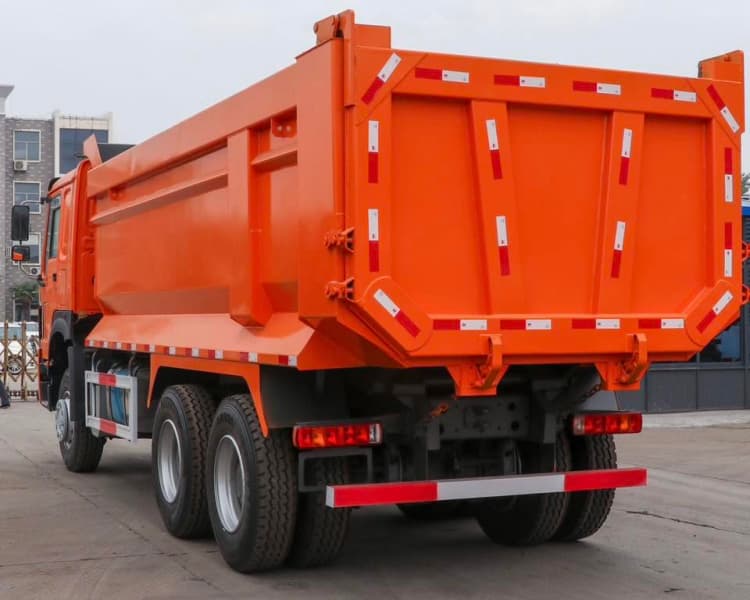
Step 5: Protective Coating Applied Before System Assembly
Protection is applied only after inspection and remediation are fully completed. Coating is the final step, not a substitute for inspection.
All cleaned and approved structural surfaces receive qualified anti-corrosion coating. Coating materials are selected for heavy-duty off-road conditions, salt exposure and cyclic flex. The goal is to slow new corrosion formation during the asset’s next lifecycle.
Crucially, coating is applied to individual separated components. Every contact face, bolt hole and weld surface gets coverage before reassembly. Inferior shops paint the fully assembled truck, leaving hidden mating surfaces unprotected.
Step 6: Traceability Records Lock in Corrosion Verification
All corrosion measurements, photos, remediation actions and NDT results are logged. Records are linked to the component and the truck’s VIN.
This genuine remanufacturing process creates an audit trail. Buyers can verify exactly which areas were inspected, what corrosion was found, and how it was resolved. Cosmetic refurbishment cannot provide this dataset.
Common Misconceptions About Corrosion Control
Many buyers believe paint solves corrosion. Paint only works if the metal underneath is clean, sound and fully inspected. Painting over hidden corrosion locks moisture in and speeds up decay.
Another myth: light surface rust means the core is unsafe. Genuine remanufacturing process distinguishes harmless shallow surface oxidation from structurally damaging section loss. The measurement baseline makes this distinction objective, not subjective.
Final Takeaway
Hidden corrosion cannot be found or fixed while the truck remains assembled. Genuine remanufacturing process eliminates this risk through full teardown, thorough cleaning, quantitative thickness inspection, controlled remediation and traceable validation.
Paint is protection, not a repair. If a reman supplier cannot show you corrosion inspection logs from bare, disassembled chassis components, hidden corrosion remains a major unresolved risk for your fleet. For heavy cyclic haul assets, this level of corrosion control is non-negotiable.