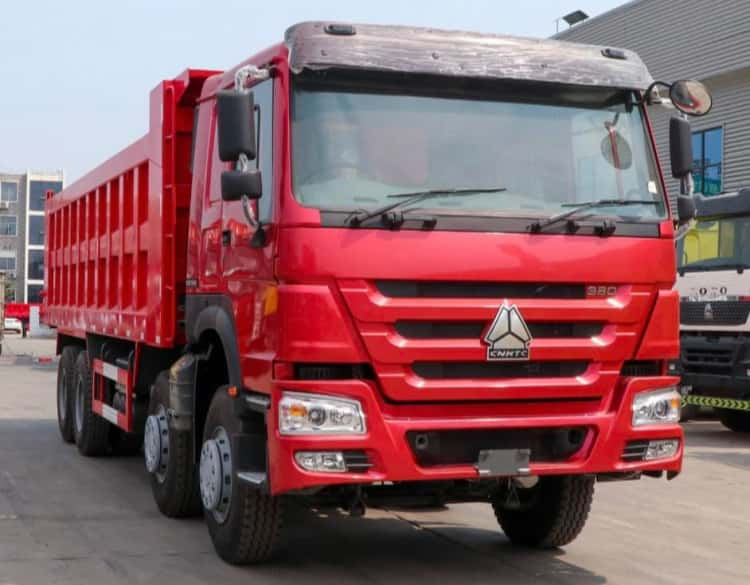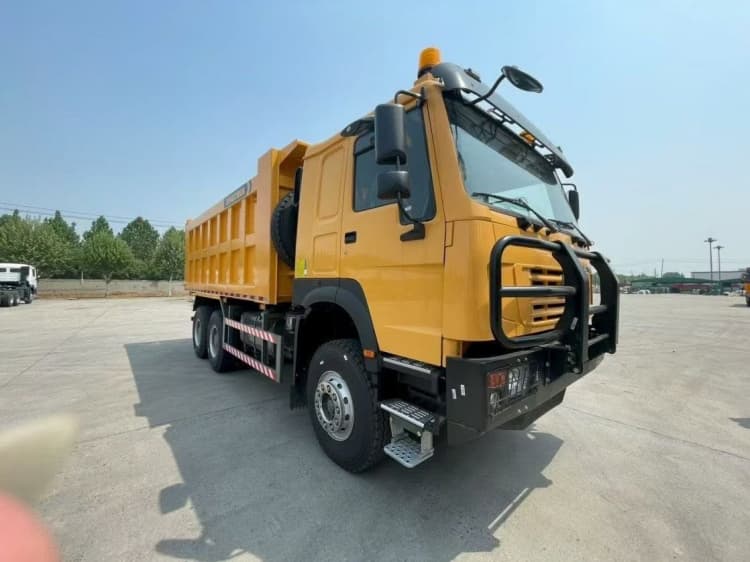
What Happens When a Core Fails Reman Screening?
Intro
Formal truck remanufacturing starts with selection, not disassembly. Many buyers assume any old heavy truck can be rebuilt into qualified reman trucks. REMAN ROAD reman screening uses NDT, dimensional checks, corrosion mapping and service history review to separate viable cores from unsalvageable ones.
A core that fails screening is not simply pushed through the rebuild process at a discount. It enters a separate, controlled workflow that prioritises safety, avoids wasted engineering resources and feeds data back into the core sourcing strategy.
Common failure triggers during intake screening
Cores can be rejected for several structural or historical reasons. Ultrasonic testing may uncover propagating fatigue cracks on frame rails or suspension brackets. Deep corrosion, permanent deformation from severe overloading, or poorly executed prior weld repairs also lead to rejection.
Some units carry documented accident damage, repeated overload records or material thinning beyond tolerance limits. Even if the truck still drives, these invisible defects mean it cannot safely receive a graded second lifecycle. Visual inspection alone will not catch most of these risks.
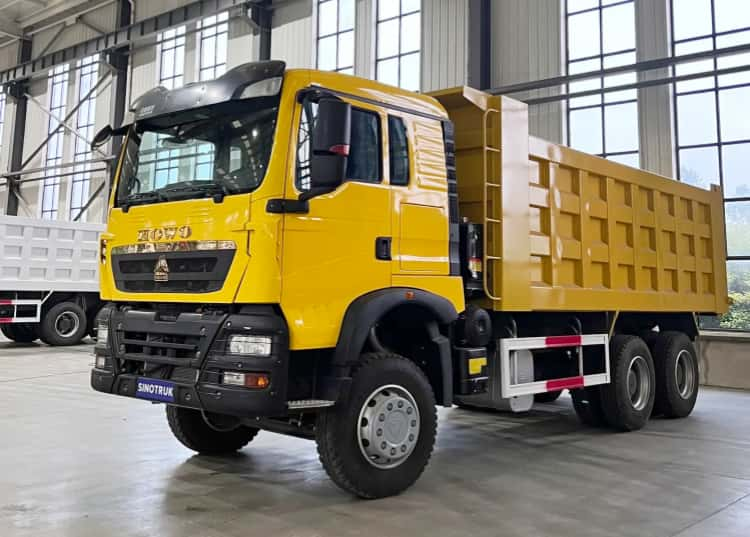
Step 1: Formal failure documentation and root cause tagging
When a core fails reman screening, inspectors log the full finding against its VIN. Records include test images, measurement readings, defect location and the engineering clause that disqualifies it. The root cause is tagged: fatigue, corrosion, deformation, crash damage or excessive prior misuse.
This file stays attached to the VIN, so the core cannot later be diverted to informal rebuild markets and falsely marketed as reman-eligible. This documentation is a critical guardrail against unsafe cores re-entering supply chains.
Step 2: Physical segregation to prevent mix-up
Failed cores are physically separated from the pool of approved reman cores. They are marked with permanent identifiers to block accidental entry into the rebuild line. Workshop teams are trained not to reuse critical load-bearing components from failed frames.
Minor reusable non-structural parts, such as certain auxiliary brackets, fasteners or cab trim, may be harvested under separate component inspection rules. The primary frame, however, is locked out of the formal truck remanufacturing workflow.
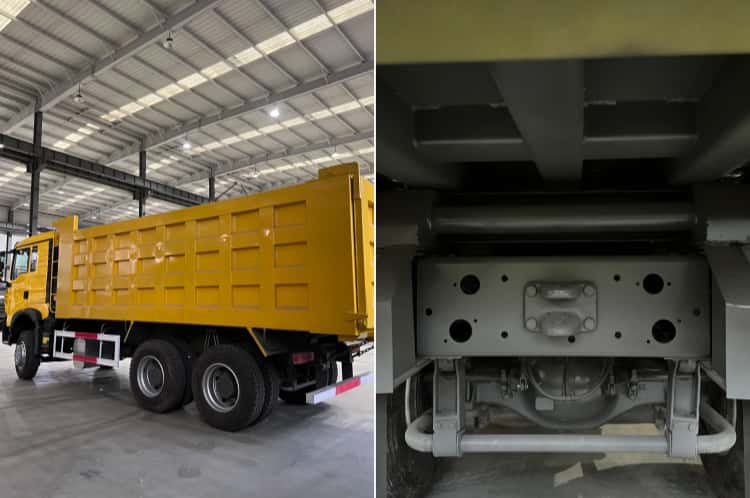
Step 3: Disposition decision based on severity
Three disposition paths apply to failed cores. Cores with repairable, isolated minor defects may be approved for targeted, controlled repair only if the weld procedure meets REMAN ROAD formal truck remanufacturing standards and passes re-scanning afterward. This is rare and tightly limited.
Most failed structural cores are designated for scrap recycling. They go to regulated steel smelters, closing the circular loop in the traditional scrap pathway. In some cases, the core is broken down for non-load-bearing spare parts, with clear marking that the chassis frame is condemned and cannot be reused as a vehicle base. No failed core receives a REMAN ROAD grade, warranty or duty envelope.
Step 4: Feedback to core sourcing and procurement teams
Screening failure data is not discarded. The engineering team analyses recurring failure patterns: for example, cores from a certain mine site often show overload fatigue, or a specific model suffers from frame corrosion. Procurement teams adjust sourcing criteria accordingly.
They avoid high-risk core batches, add pre-screening filters before purchase and communicate known failure modes to core suppliers. This continuous feedback raises the quality of incoming cores over time and reduces wasted workshop labour on unsuitable assets.
Important distinction: failed core vs failed component
A failed core means the primary chassis structure is disqualified. This is different from a single failed component on an otherwise approved core. On an eligible core, a worn bearing or cracked bracket is replaced.
The frame remains approved for reman. When the frame itself fails reman screening, the whole asset loses its qualification as qualified reman trucks. This is the key line that sourcing teams must understand.
Practical implications for fleet buyers
Fleets should understand that rejection is a sign of standard enforcement, not a flaw in the truck remanufacturing process. A supplier that never rejects cores is likely skipping rigorous screening and allowing high-risk units to be sold as reman. REMAN ROAD’s rejection discipline protects buyers from the biggest reman risk: paying for a rebuild built on a structurally compromised chassis.
Final Takeaway
A core that fails reman screening is documented, segregated and routed to scrap or controlled part harvesting, rather than being patched and sold as certified formal truck remanufacturing. For fleet leaders, the key takeaway is simple: strict screening and willingness to reject bad cores are exactly what makes certified truck remanufacturing trustworthy.