How Standardized Remanufacturing Preserves Cash For Core Business Investments?
Intro
Heavy fleet procurement creates a classic cash-flow trade-off. Every dollar locked into equipment is a dollar unavailable for the core business. For contractors and haul operators, core growth priorities include mobilisation for new tenders, skilled crew recruitment, site consumables, operational upgrades and business contingency funds. New trucks demand massive upfront payments, high down payments and ongoing finance commitments. Uncertified used trucks save upfront cash, but carry hidden repair bills and unpredictable downtime risk that can quickly burn through reserves. Standardized remanufacturing offers a balanced way to add fleet capacity without sacrificing growth capital.
Lower upfront outlay reduces capital tied to assets
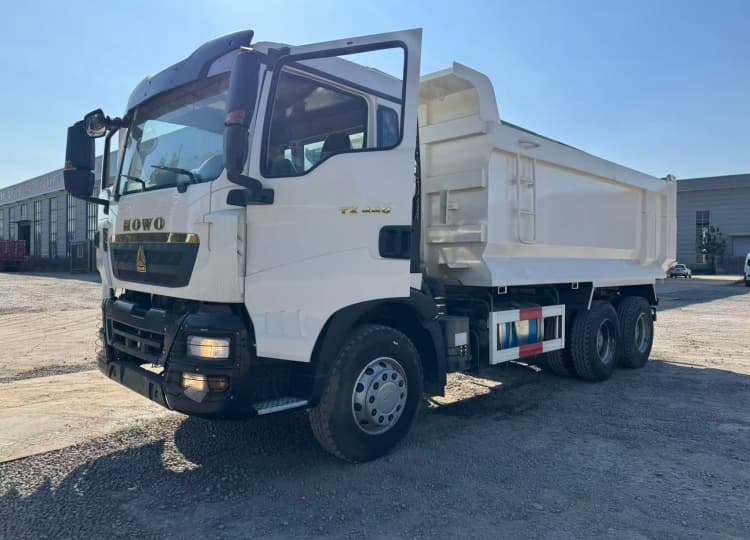
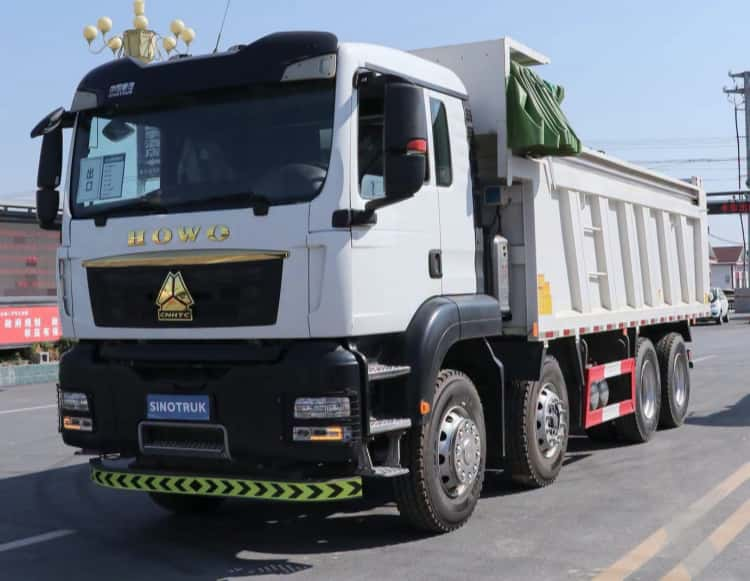
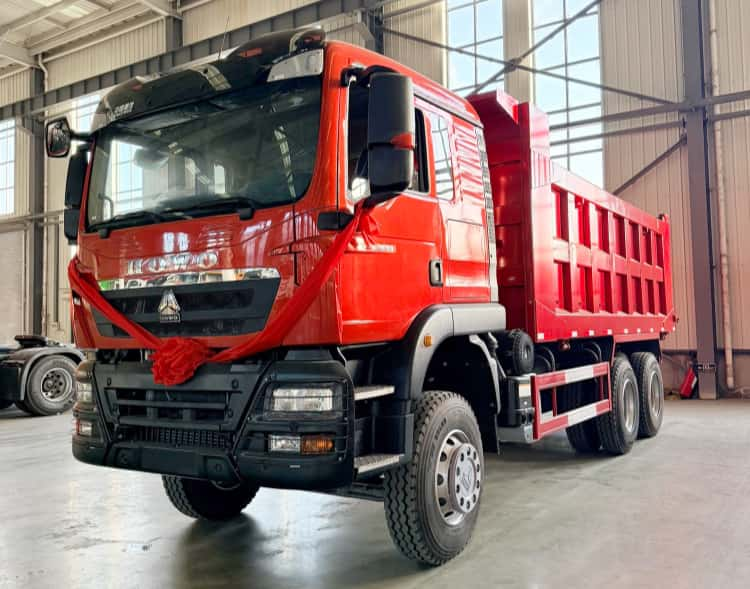
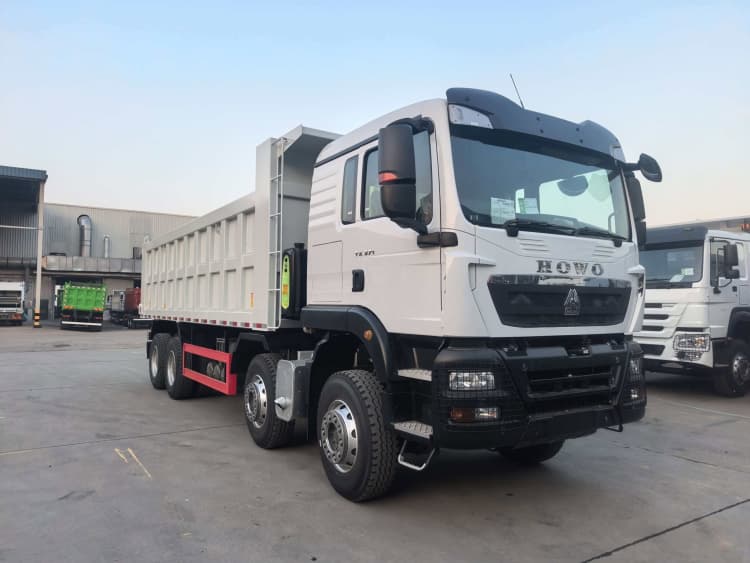
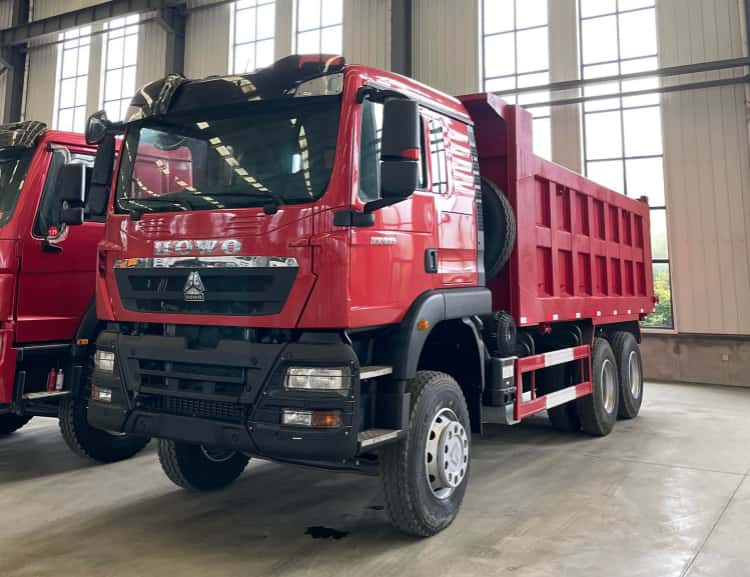
A REMAN ROAD standardized remanufactured truck carries a far lower purchase price than an equivalent new heavy truck. Down payment requirements are smaller, and the initial cash outflow is much lighter. Instead of sinking a large lump sum into vehicle inventory, the business retains liquid cash. This is especially critical for small and mid-sized contractors, whose available working capital is often limited. Capacity expansion no longer requires committing most available cash to fixed, slow-moving equipment assets.
Predictable TCO reduces large contingency cash buffers
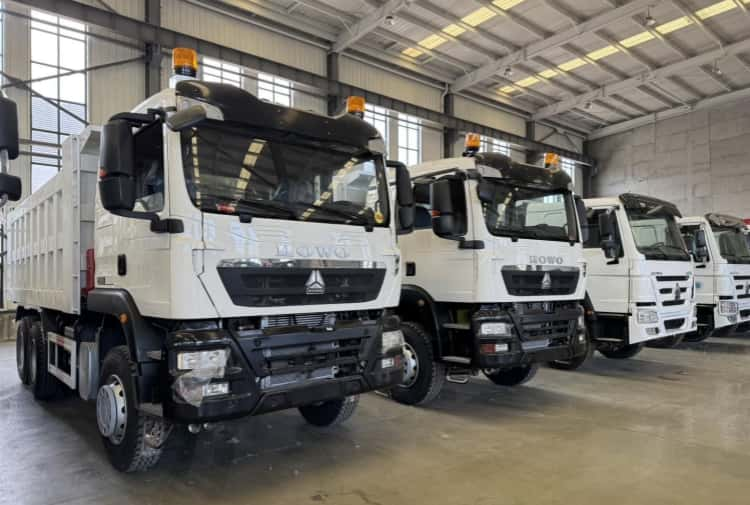
Fleets buying uncertified used trucks must set aside substantial cash reserves for surprise major repairs. These funds sit idle, reserved for breakdowns and structural issues, and cannot be deployed for growth. Standardized remanufacturing process follows fixed rebuild rules: fatigue-prone consumables are renewed, NDT screening is mandatory, and final functional testing is completed before delivery. Warranty coverage applies to rebuilt assemblies, and maintenance schedules are clearly defined. The risk of sudden, costly catastrophic failures drops sharply. Businesses can shrink that emergency repair buffer and redirect the freed cash into core revenue activities.
Gentle depreciation and stable residual value protect capital recovery
New trucks suffer steep depreciation immediately after deployment. If a project ends early, operators face large capital losses when reselling. This makes new trucks a risky cash commitment for short and medium-term contracts. Standardized remanufacturing has already passed that sharp initial depreciation phase. Value declines gradually, tracked against duty classification and consumed operating hours. When the asset is no longer needed, resale, lease or trade-back options deliver predictable capital recovery. This means less permanent capital erosion when adjusting fleet size to match workloads.
Flexible financing keeps monthly cash outflow manageable
Because standardized remanufactured trucks have verified traceability and grading, lenders accept them as stronger collateral than ordinary used trucks. This supports reasonable interest rates, extended repayment terms and seasonal payment structures. Monthly finance obligations are lower than loans for new trucks. Cash flow stays aligned with project revenue, rather than being burdened by high fixed payments through slow periods. Consistent, predictable monthly outgoings make budgeting easier and prevent cash crunches during lulls between contracts.
It avoids the high cost of repeated spot rental
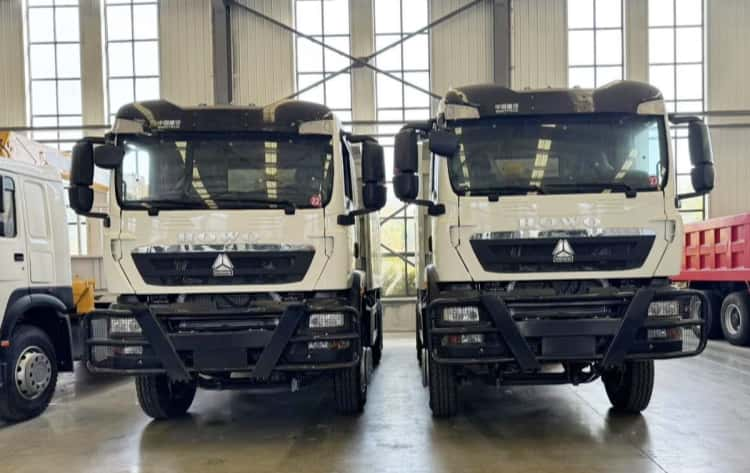
Many operators use spot rental trucks to cover peak demand and short-term tender work. Short-term rental rates are expensive, and repeated rental costs compound quickly over multiple seasons. Standardized remanufacturing acts as reusable swing capacity. You buy once, deploy across multiple jobs, then recover value at the end of the holding period. The cumulative cost is often lower than continuous spot rental. The savings from avoiding premium rental fees can be reinvested into bidding for larger contracts or improving site productivity.
Credit capacity stays open for core business needs
Every company has a maximum borrowing limit. Financing new heavy trucks consumes a large share of available credit. That leaves little room for other critical needs: buying site attachments, covering payroll during mobilisation, or funding a winning tender’s pre-start costs. Standardized remanufacturing requires less borrowed capital per unit. Fleets can expand haul capacity without maxing out credit lines. Borrowing headroom remains available for investments that directly drive business revenue.
Important guardrail: cash preservation still relies on operational discipline
Standardized remanufacturing protects cash only when operated within its duty classification. Overloading, rough misuse or skipped scheduled inspections accelerate fatigue and wear. This triggers unexpected repairs, voids warranty and cuts residual value. The cash advantage disappears if the fleet treats remanufactured trucks as unlimited, low-cost workhorses. Scheduled maintenance, duty-limit enforcement and incident reporting are required to protect the asset’s value and your cash strategy.
Final Takeaway
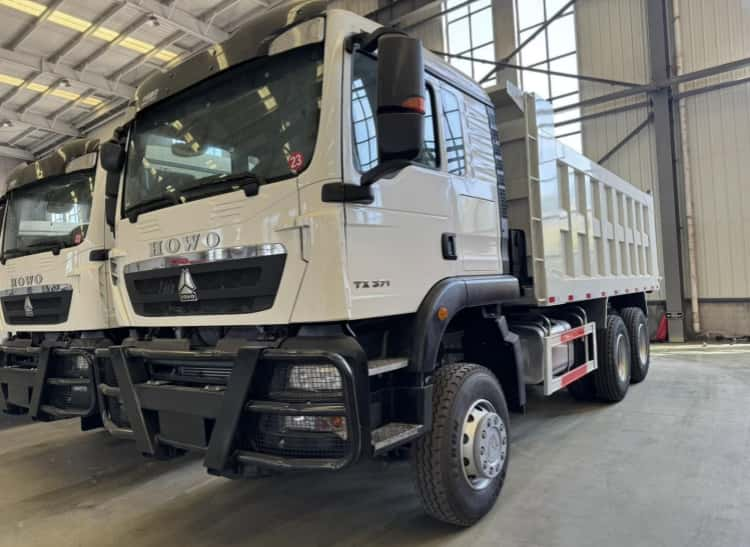
REMAN ROAD standardized remanufacturing delivers certified, reliable haul capacity with lower upfront cost, stable depreciation and reduced contingency requirements, preserving cash for the core business investments that drive long-term growth. For business and asset leaders, the key takeaway is simple: equipment capacity is an enabler, not a capital trap that starves your growth priorities.