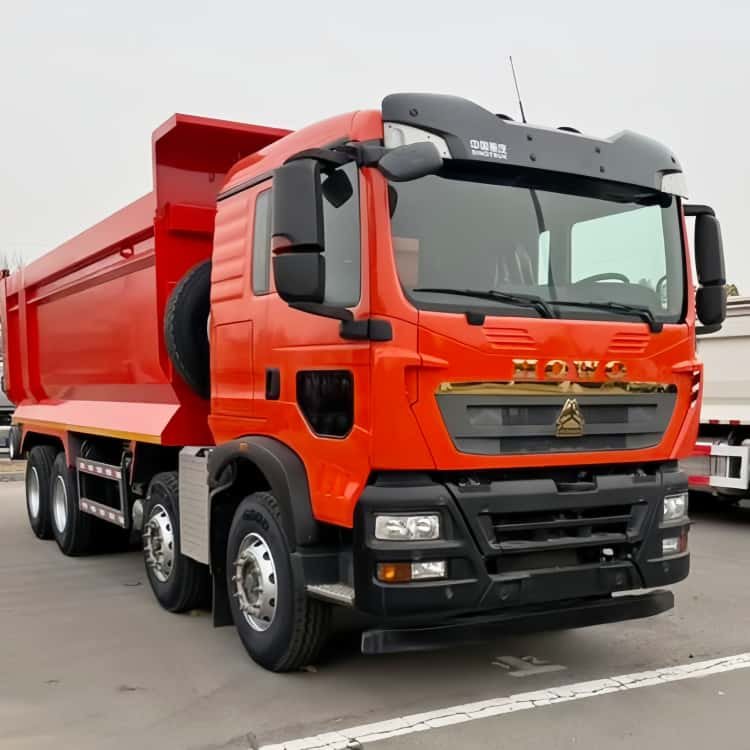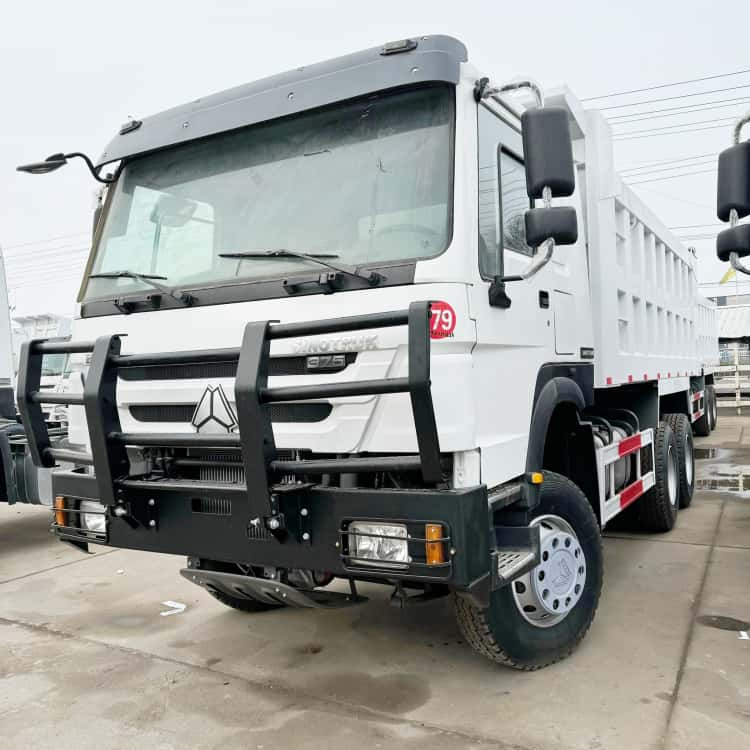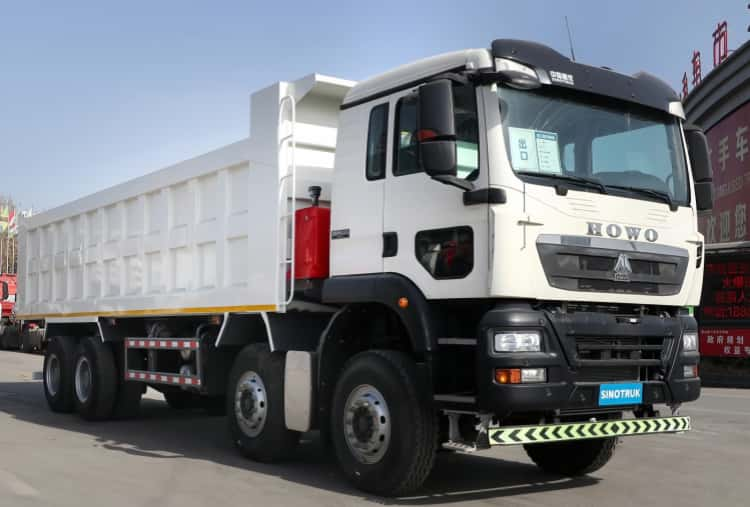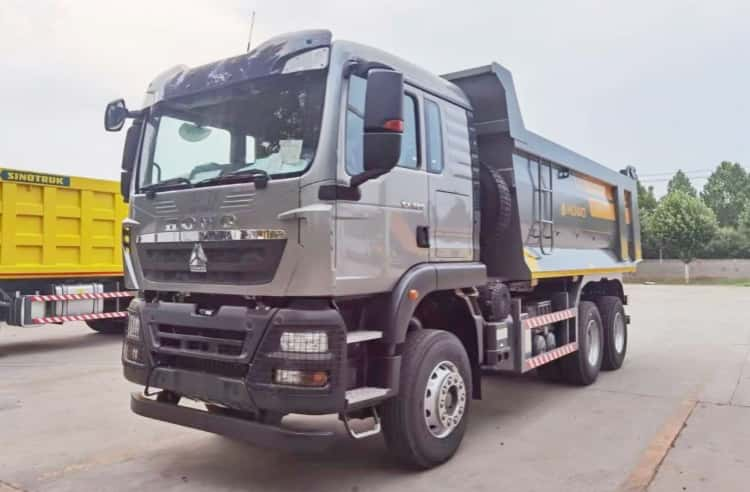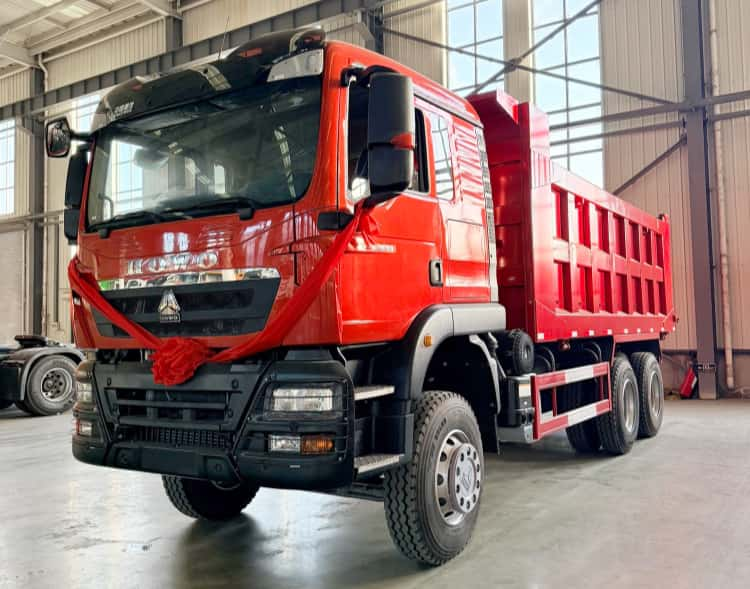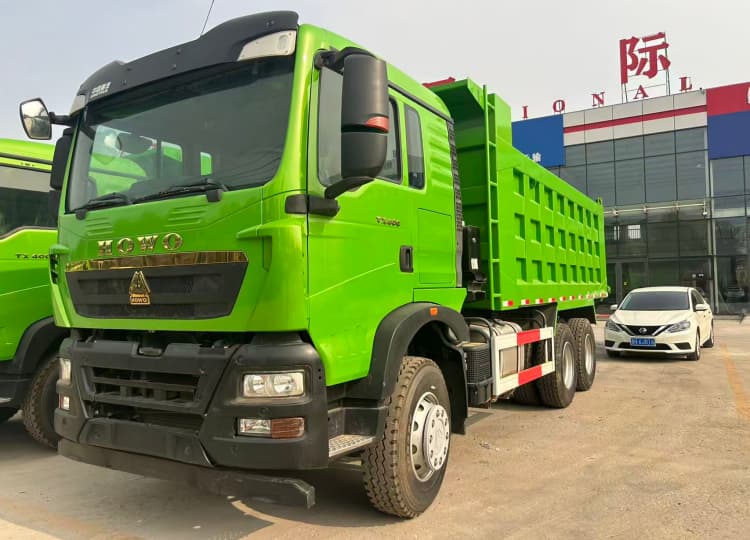
Qualified Reman Truck: Reduced Raw Material Footprint for Sustainable Operations
Intro
Sustainability discussions often centre on carbon emissions, but raw material consumption is another foundational pillar of equipment lifecycle impact. Every brand-new heavy truck requires mining, smelting and refining vast quantities of metal, plus extraction and synthesis of rubber, plastic and hydraulic feedstocks. These extraction processes carry habitat disruption, water pollution and high energy use, long before the vehicle rolls off the production line.
When fleets only buy new trucks to expand capacity, they continuously drive demand for virgin raw materials. Qualified reman truck changes this equation. It treats a sound existing truck core as a valuable resource stock, rather than scrap feedstock.
Virgin raw materials dominate the resource footprint of new heavy vehicles
Frame rails, axle castings, engine blocks and suspension components account for the largest share of raw material use. Steel production alone relies on iron ore, coal and alloying elements. Tires, seals, wiring insulation and fluid hoses draw on petroleum and mineral feedstocks. Even with efficient manufacturing, the cumulative resource burden is substantial.
Once the truck is built, that resource investment is locked into its structure. If the functional core is scrapped at the end of its first lifecycle, all that extracted material value is lost, even with basic recycling.
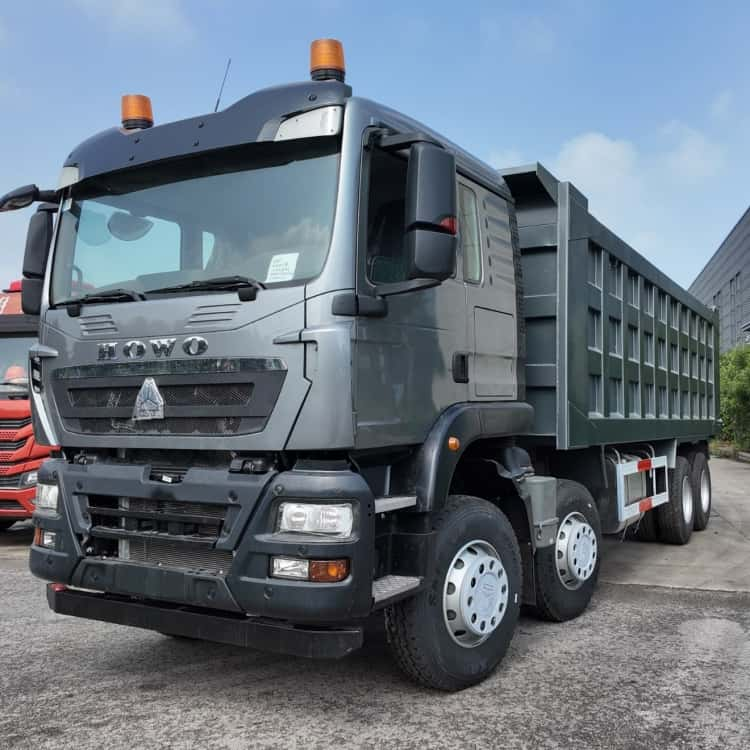
Qualified reman truck preserves already-extracted material value
REMAN ROAD’s intake screening process identifies cores with acceptable remaining fatigue life. Frames, major castings and driveline housings that pass NDT inspection are kept in service. Only consumable, worn or failed components are replaced with new parts.
Instead of melting the whole chassis down for recycled steel, the asset continues its productive second life. Recycling still consumes energy for reprocessing, while qualified reman truck avoids that entire re-melt and re-forming cycle. This creates a far more efficient resource loop than scrap-and-replace or even basic metal recycling.
It distinguishes genuine life extension from superficial refurbishment
Not every rebuild delivers meaningful raw material savings. A cosmetic overhaul that masks hidden cracks will lead to early failure. The materials used for the rebuild work are wasted, and the asset quickly heads for scrap. Qualified truck remanufacturing’s fatigue grading and duty envelope rules prevent this.
Before any rebuild begins, technicians verify structural integrity and calculate the remaining safe service window. The core is only remanufactured if it can reliably complete its planned second lifecycle. This engineering guardrail is what makes resource reduction credible, not just a marketing claim.
Traceability supports material accounting and sustainability reporting
Many operators now track resource KPIs for internal ESG reporting or client sustainability audits. REMAN ROAD qualified reman truck’s VIN traceability file records exactly which major assemblies were retained and which components were renewed. Sustainability teams can calculate the volume of virgin ore, steel and feedstock that was avoided by choosing reman over an equivalent new truck.
These figures can be documented alongside carbon savings, waste disposition records and third-party audit results. It gives you a factual basis to report resource reduction, rather than relying on generic sustainability statements.
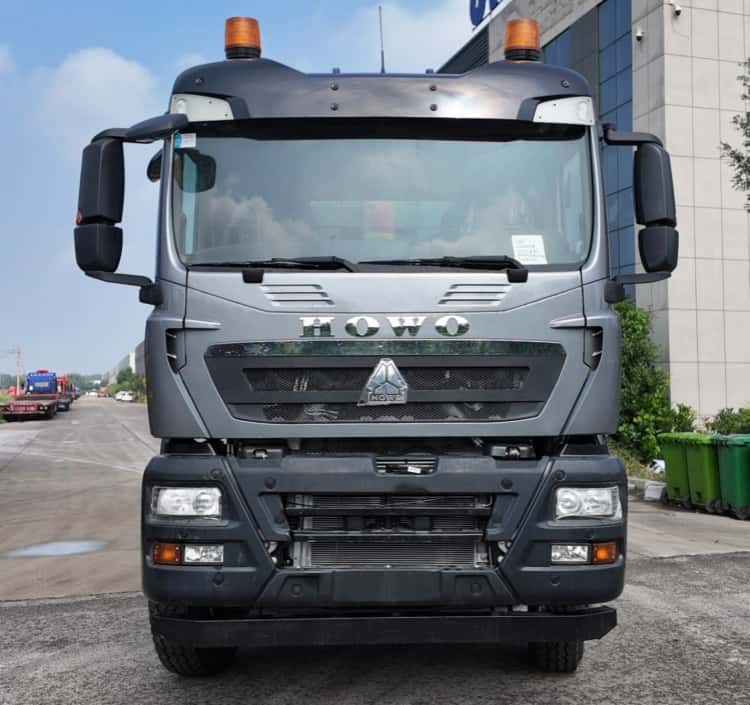
Resource reduction complements circular waste management
Raw material savings work hand in hand with controlled waste handling. During qualified truck remanufacturing disassembly, worn parts are sorted into categories: rebuildable sub-components, regulated scrap, and hazardous waste. Fluid streams, filters and contaminated materials are routed to licensed processors, not informal dumping.
This keeps the whole qualified truck remanufacturing workflow aligned with circular principles: preserve high-value material first, recover lower-value material responsibly, and minimise pollution. The resource benefit is not isolated to the chassis itself; it runs through the entire rebuild workflow.
Practical fit for resource-conscious mining and infrastructure clients
Mining and large infrastructure clients face scrutiny over their full supply-chain resource impact. They increasingly favour contractors that reduce reliance on virgin equipment.
Qualified truck remanufacturing lets contractors add haul capacity without triggering a new round of heavy raw material extraction. Fleets can build a balanced portfolio: new trucks for routes requiring latest emissions tech, and qualified reman for bulk cyclic transport where resource stewardship is a tender priority.
Important guardrail: reman does not eliminate all raw material use
Some new parts will still be required: filters, bearings, brake linings, gaskets and hoses. These consumables still draw on virgin feedstocks. But the scale of demand is vastly smaller compared to manufacturing a full new truck.
Resource savings also depend on operating discipline. Running a truck beyond its duty envelope will rapidly consume fatigue life and cut short its second life, eroding the resource benefit of the rebuild.
Final Takeaway
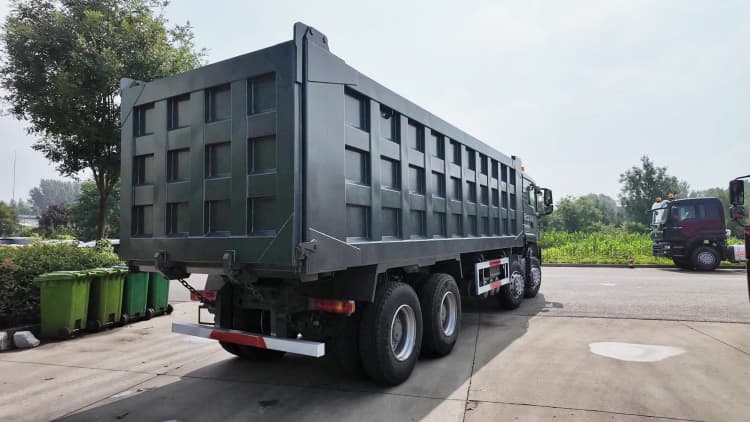
Qualified reman trucks preserve the raw material investment already built into functional heavy-asset hardware, reducing reliance on virgin ore and primary processing for fleet growth.
For sustainability and fleet leaders, the key takeaway is simple: resource efficiency is about keeping usable material working, not repeatedly extracting and forging it from scratch.