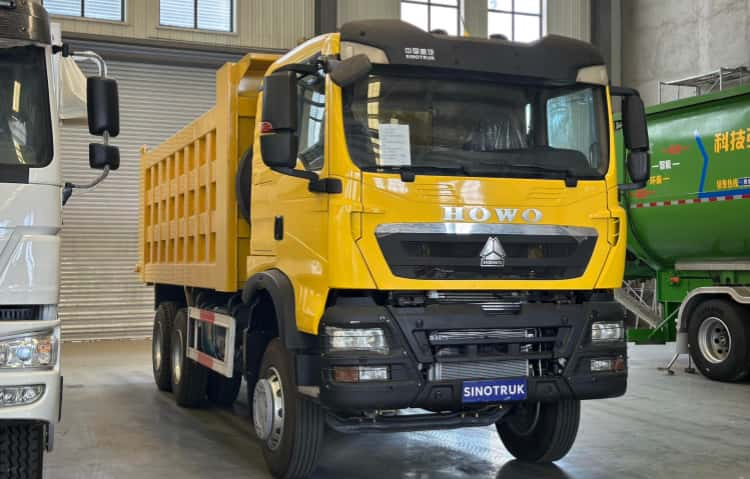
Improve Fleet Safety Reporting With Auditable Reman Records
Intro
Safety reporting fails when records are inconsistent. For fleets running mixed uncertified used trucks, safety files often become a patchwork of handwritten notes, lost inspection slips and unverified repair claims. When an incident occurs, safety teams spend hours chasing missing paperwork, unsure whether a mechanical root cause was predictable. Regulatory audits, mine site safety reviews and client ESG screenings demand traceable, unalterable evidence. Auditable reman records turn vehicle condition from verbal assurance into structured safety data that feeds directly into your reporting workflow.
Reman records embed safety evidence at the asset level
Every REMAN ROAD certified remanufactured truck carries a permanent traceability file tied to its VIN. It stores intake NDT scan results, structural crack assessment, safety-critical component replacement logs, dyno validation and final functional test data. Each entry is timestamped and linked to the technician and inspection standard. This means safety reports are not built only from driver post-trip checks. They also include engineering-level proof of the chassis and braking system’s baseline integrity. That is a layer of safety evidence rarely available for ordinary second-hand trucks.

It simplifies root-cause analysis after safety events
When a near-miss or breakdown happens, investigators first ask one key question: was this asset operated within its designed limits? With uncertified trucks, the history is unclear. Teams struggle to separate poor maintenance, overload, or pre-existing hidden fatigue. Auditable reman records show the original duty classification, prior inspection findings and which parts were renewed during reman. Safety teams can quickly judge whether the failure stems from misassignment, skipped service, or another operational factor. This speeds up incident closure and stops the same risk from repeating across the fleet.
Standardised data formats streamline regular safety reporting
Fleet safety teams often submit recurring reports: monthly safety summaries, pre-mobilisation safety packs and client supply-chain safety disclosures. Generic used trucks produce inconsistent data formats, requiring manual retyping and cross-checking. REMAN ROAD certified remanufactured truck follows unified inspection templates, so the dataset for every certified truck uses identical fields. Safety managers can pull bulk reports across the fleet, comparing defect trends, inspection compliance and duty-envelope adherence. Patterns stand out clearly, rather than being buried in messy, mismatched vehicle files.
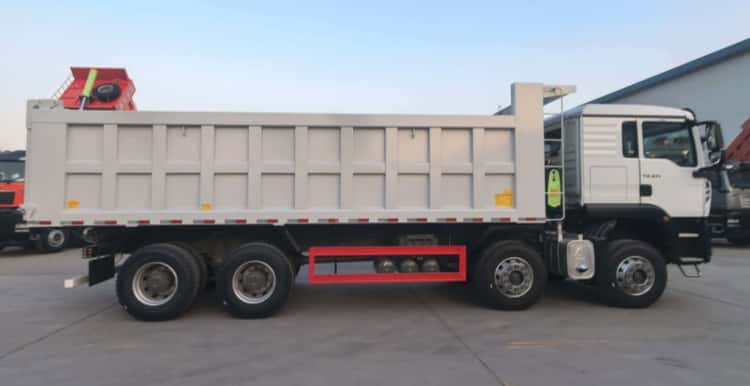
Third-party audit backing strengthens report credibility
Many clients and regulators are wary of self-submitted safety documentation. Internal logs alone can be challenged as subjective. REMAN ROAD’s truck reman workflow includes independent audits that verify NDT execution, component replacement rules and duty grading protocols. These audit results attach to the VIN record. When you submit safety reports, you can include third-party validation as supporting evidence. This reduces pushback during site audits, tender pre-qualification and insurance reviews.
It supports accurate safety trend tracking
Good safety reporting is not just about reacting to accidents. It is about spotting slow, emerging risks before they escalate. With auditable reman records, you can group assets by duty class, operating site and wear patterns. If multiple trucks of the same grade show similar brake or suspension wear, safety teams recognise a systemic issue. By contrast, in a mixed used fleet, repeated faults are often written off as quirks of individual old vehicles. Reman’s consistent baseline makes trend analysis reliable and actionable.
Insurance and liability protection
Injury or equipment damage claims hinge heavily on documentation. Missing inspection records can increase liability exposure and insurance premiums. Auditable reman records prove that the truck passed formal structural screening and safety component renewal before deployment. If an incident is unrelated to build quality, the clear paper trail helps demonstrate that the fleet followed equipment safety standards. This supports fair claim handling and can reduce long-term insurance risk for the business.
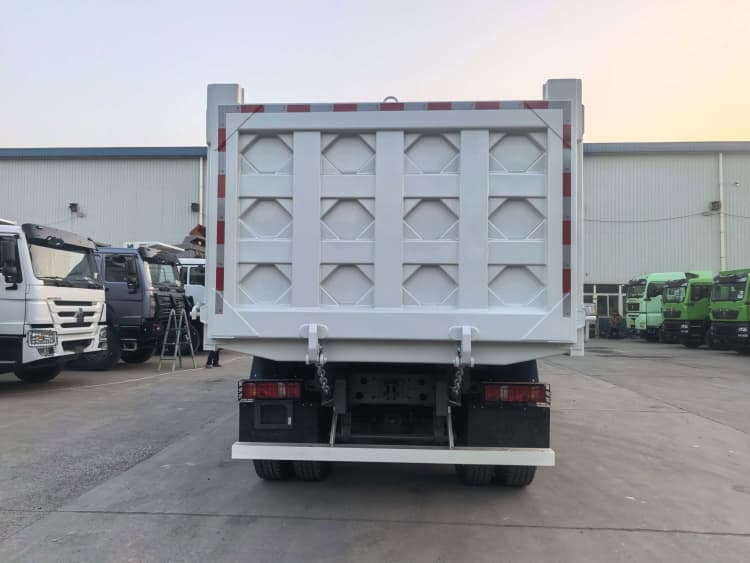
Important guardrail: reman records do not replace ongoing inspection
The reman file establishes the baseline safety state at the point of certification. It does not freeze the asset’s condition forever. Pre-trip DVIR, periodic structural rechecks and duty-envelope monitoring must continue. Overloading, impact damage and skipped maintenance can still create new hazards. Auditable records improve reporting quality, but they do not remove the requirement for continuous field safety oversight.
Final Takeaway
Auditable REMAN ROAD certified remanufactured truck reman records add verified, engineering-grade safety data to fleet reporting, reducing documentation gaps and enabling faster, more credible incident reviews and compliance submissions. For safety and compliance leaders, the key takeaway is simple: strong safety reporting is built on records you can prove, not just records you collect.