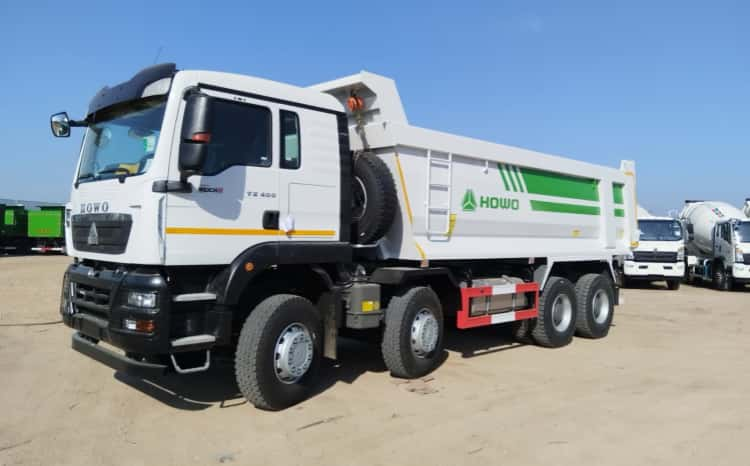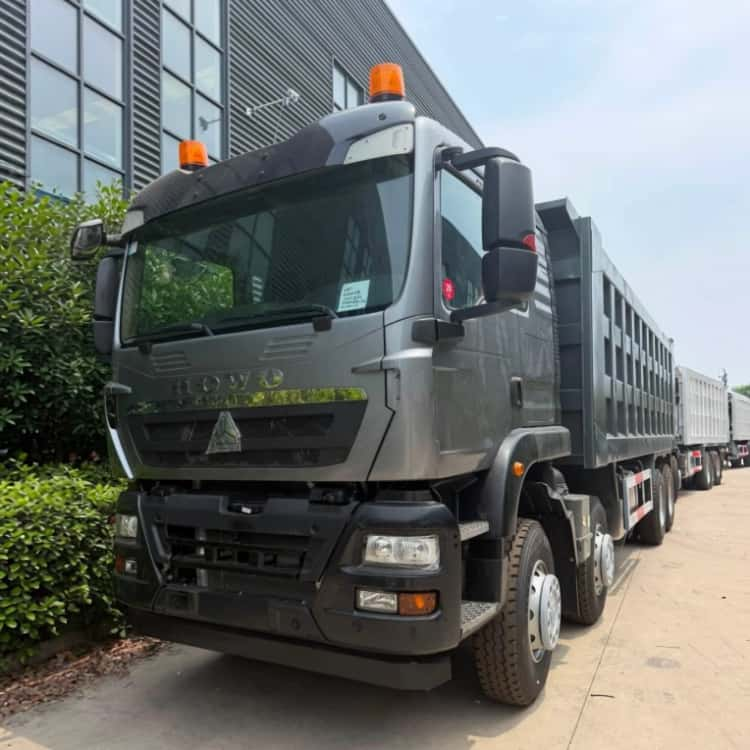
How Standard Reman Makes Asset Rotation Simpler and Cheaper?
Intro
Asset rotation is a core tactic for flexible haul fleets. When one construction project wraps up, or a mining site scales back operations, you want to move trucks to where the next workload is. With uncertified used trucks, rotation is slow and expensive. Every transfer requires deep, uncertain inspections, because no one knows the full repair history or remaining structural life. Drivers and maintenance teams must adapt to each truck’s unique quirks. REMAN ROAD standard remanufacturing removes much of this friction, turning asset rotation into a streamlined, repeatable workflow.
Grade and duty envelope define where a truck can safely go
Each standard reman heavy trucks carries a clear grade and duty envelope. This document sets maximum payload, cycle frequency and terrain limits. When it is time to reassign the truck, fleet planners do not need to run a full structural investigation from scratch. They simply match the truck’s rating to the workload of the new site.
A higher-grade standard reman heavy truck can move to heavy off-road cycles, while a lower-grade unit shifts to lighter highway or short-cycle transport. This eliminates guesswork and reduces the risk of misassigning assets beyond their safe capacity.
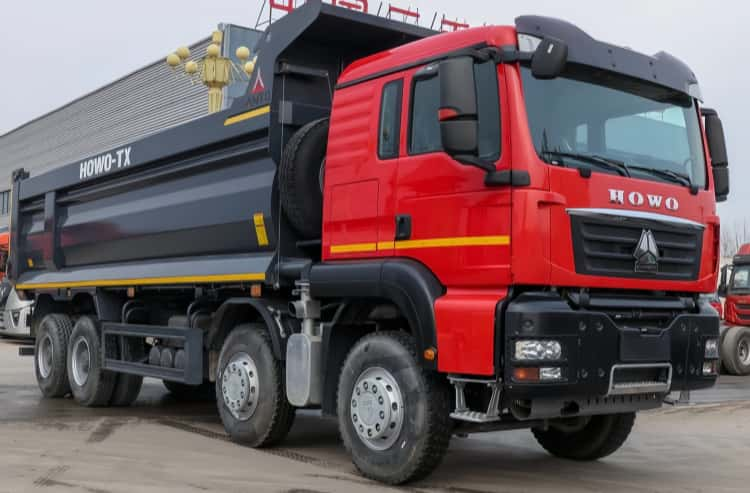
Transferable traceability removes repeated inspection costs
Generic used trucks lose most of their repair history when they change hands. Every new operator must pay for fresh NDT, brake teardowns and mechanical audits just to verify basic condition.
REMAN ROAD standard remanufacturing’s VIN traceability record travels with the truck. It stores original screening data, component renewal logs, test results and completed service records.
Receiving teams can review the file first, and only run targeted confirmation checks instead of a full, costly rebuild-level inspection. This cuts the time and expense spent on pre-deployment audits between transfers.
Uniform build standards reduce rework before reassignment
Standard reman heavy trucks of the same platform share consistent calibration, brake setup, steering geometry and control logic. You do not need to re-tune engines, fix random wiring faults or correct inconsistent brake balance every time the truck moves sites.
For mixed used fleets, each transfer often comes with hidden reconditioning work that was missed by the prior operator. With standard remanufacturing, the baseline condition and performance are predictable. The only pre-rotation tasks are routine service and wear measurement, not open-ended troubleshooting.
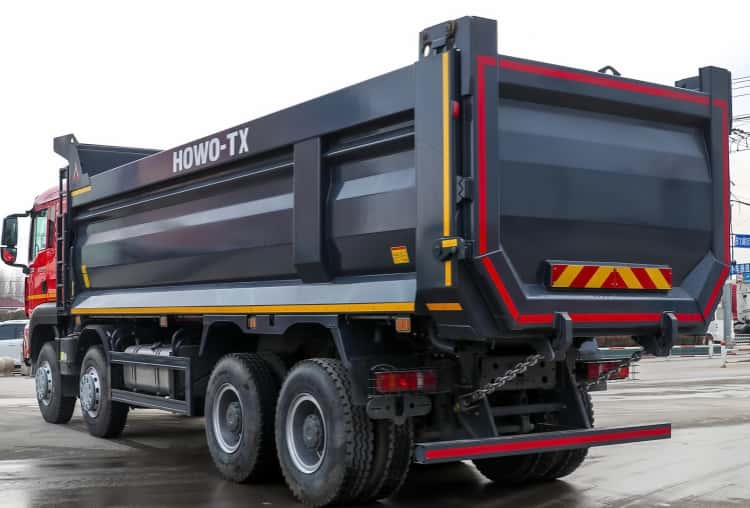
Consistent driver experience cuts retraining overhead
When assets rotate frequently, drivers cycle between different trucks. Unstandardised used trucks have unique handling quirks, odd pedal feedback and confusing warning behaviours. Every site change requires operator briefings to cover each vehicle’s idiosyncrasies.
Standard reman’s matched tuning and cabin controls deliver uniform driving feel. Drivers familiar with one REMAN ROAD standard reman heavy truck can adapt to another of the same platform almost immediately. This shortens site induction time and lowers human-factor safety risk during handover.
Simplified valuation supports internal transfer or resale
Rotation often includes internal leasing, cross-department charge-outs, or sale to a peer fleet. Uncertified used trucks carry heavy valuation uncertainty. Buyers apply large discounts to cover unknown risk.
Certified standard remanufacturing’s documented grade and traceability package create a shared valuation baseline. Finance teams can set internal transfer pricing quickly, based on remaining duty life and service history. When you exit the asset, you avoid the long negotiation and steep uncertainty discount common with unvetted second-hand trucks.
Shared spare-part compatibility eases cross-site maintenance
If your fleet operates across multiple remote sites, standardised component lists are a major advantage. Rotated standard reman heavy trucks use the same approved replacement parts as other units in the REMAN ROAD pool.
Site workshops can stock a common set of service kits. You do not need to ship special, one-off components to a remote location just because a rotated truck has a unique, obsolete specification. Maintenance support becomes portable alongside the asset itself.
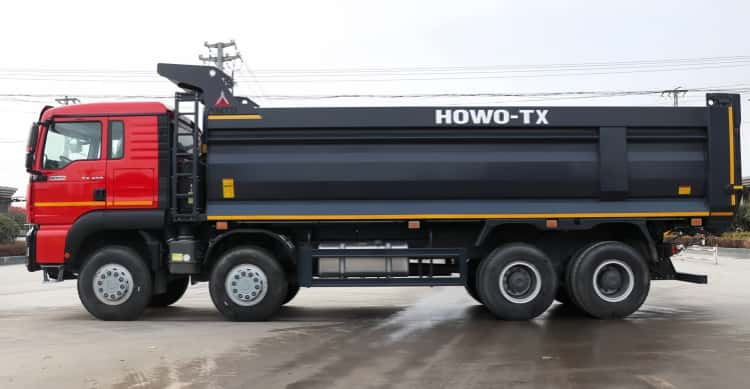
Important guardrail: rotation does not pause wear and fatigue
Every transfer still requires a quick scheduled inspection to check for recent damage, overload signs or vibration-related wear. A valid duty envelope does not mean the truck can keep running indefinitely without monitoring.
If the receiving site ignores payload and cycle limits, fatigue will accelerate, and the asset’s usable life will shrink faster than planned. Standardisation simplifies rotation, but it does not remove the requirement to enforce operating rules at each new site.
Final Takeaway
Standard reman simplifies asset rotation by pairing clear duty grading, portable traceability and consistent hardware specifications, cutting inspection, rework and training costs when trucks move between assignments.
For fleet and asset managers, the key takeaway is simple: easy rotation means your capacity can flow to demand, without starting your due diligence process over every single time.