How Qualified Remanufacturing Brings Predictable Safety to Off-Road Haul Fleets?
Intro
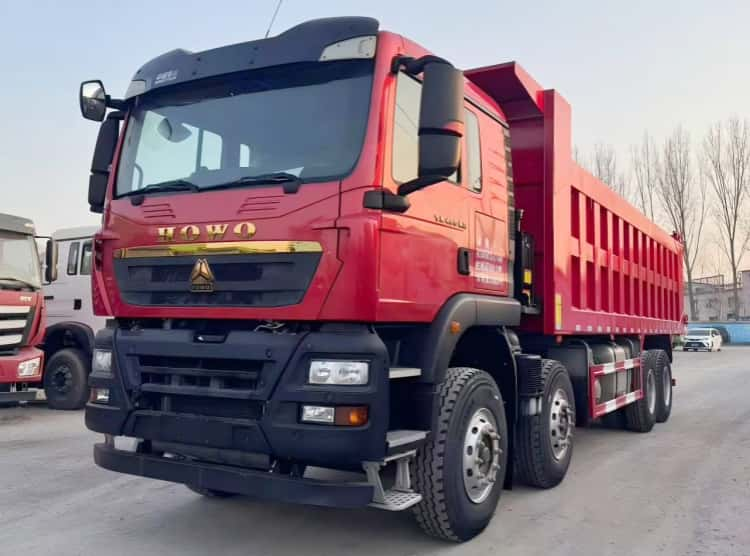
Off-road haulage is one of the harshest operating environments for heavy trucks. Potholed haul roads, steep gradients, frequent start-stop cycles and heavy payloads create constant impact stress on frames, suspensions, brakes and steering assemblies. For ordinary used or casually rebuilt trucks, safety hazards emerge without warning. Micro-cracks grow overnight, worn brake components fail suddenly, and weakened suspension brackets can break mid-shift.
REMAN ROAD qualified remanufacturing does not eliminate all site hazards. It removes the unknown safety variables tied to the truck itself, giving site managers predictable safety boundaries they can build operational rules around.
Full structural screening targets off-road failure modes
Off-road damage rarely appears on a simple visual inspection. Repeated impact loading creates hidden fatigue cracks along frame rails, spring hanger brackets and kingpin joints. During REMAN ROAD qualified remanufacturing intake screening, every load-bearing assembly goes through non-destructive testing.
Cores with propagating cracks, bent frame sections or poorly repaired crash damage are rejected before rebuild. Any approved core has its remaining structural fatigue quantified and locked into a formal duty envelope. This sets clear payload, cycle and terrain limits matched to off-road use.
Critical safety assemblies are renewed or fully rebuilt
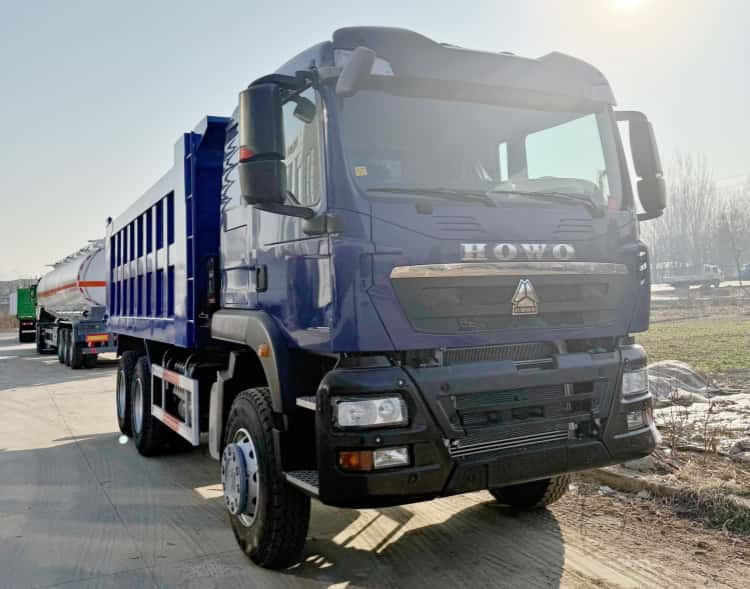
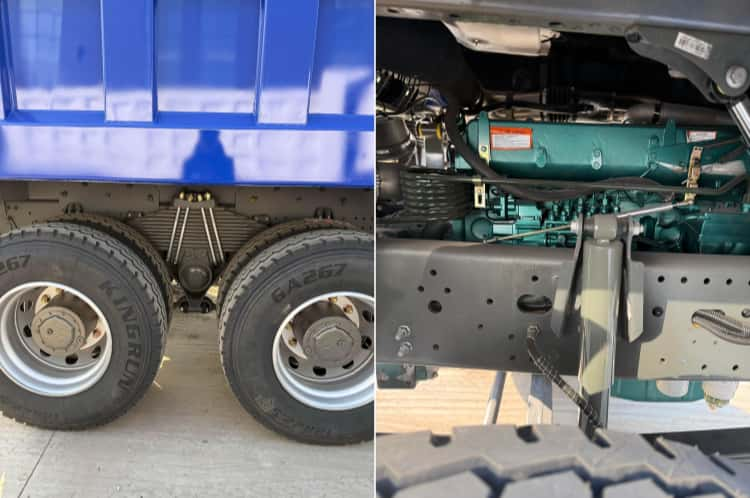
Brakes, steering, suspension and hydraulic tipping systems are the top safety-critical groups for off-road fleets. Informal rebuilds often reuse these assemblies if they still function, even with worn linings, degraded seals and fatigued springs. REMAN ROAD qualified remanufacturing standards require mandatory renewal or certified rebuild for these high-risk safety components.
After assembly, every reman truck undergoes loaded functional testing to verify brake response, steering play and hydraulic stability. This ensures the safety systems perform consistently under the vibration and shock of site haul roads.
Duty envelope aligns the truck with site operating rules
Predictable safety depends on matching the truck’s capability to site workload. Each certified reman truck comes with a duty envelope defining maximum payload, continuous operating cycles and terrain restrictions. Site supervisors can assign Grade A reman trucks to high-volume short-cycle tipper runs, while limiting lower-grade units to lighter, less impactful work.
This prevents the common unsafe practice of pushing every available truck to the same maximum load. Safety management becomes a matching exercise, not a constant gamble on unknown component strength.
Maintenance clock reset reduces spontaneous safety failures
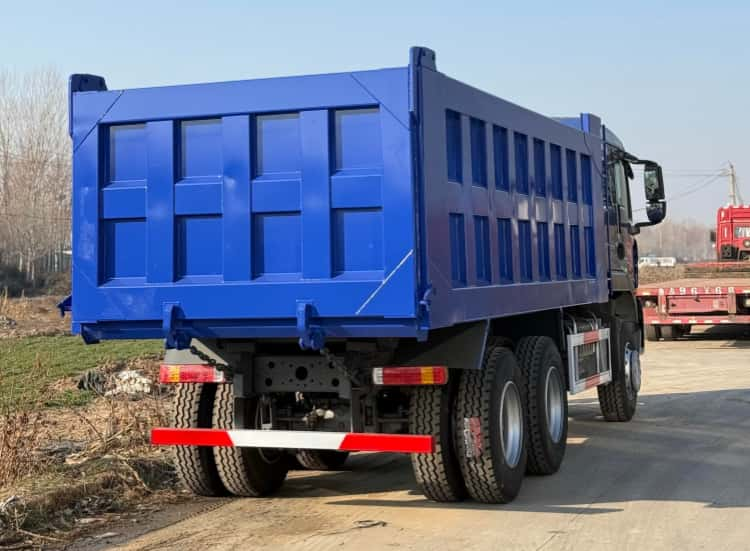
Off-road dust and heat accelerate wear of seals, bearings and moving parts. On uncertified used trucks, the maintenance timeline follows the original factory date, which gives no real indication of remaining component life. Qualified remanufacturing resets the maintenance clock for all renewed safety parts.
The fleet receives a site-tailored service schedule with shorter inspection intervals for dusty off-road conditions. Regular, documented checks catch wear trends before they escalate into safety incidents. Safety teams can plan inspection windows and stock safety-critical spare parts proactively.
Traceability supports safety incident investigation
If an incident occurs on site, traceability records quickly clarify root cause. Auditors can confirm whether the brake, steering or frame component was renewed, inspected, or reused under specification. It also verifies whether the truck was operated within its rated duty envelope.
This eliminates ambiguous blame and helps site teams separate build-related issues from operational misuse. For mining and construction operators, clear incident evidence also supports safety reporting and regulatory compliance.
Safety training and handover close the operator loop
Certified qualified remanufacturing safety is not only built into hardware. REMAN ROAD qualified remanufacturing handover packages include operator guidance specific to off-road duty.
Drivers are briefed on the truck’s payload limit, vibration risks and warning signs that require immediate shutdown. Even the safest rebuilt truck becomes a hazard if operators ignore overload limits or warning symptoms. This shared responsibility between the remanufacturers and the fleet stabilises long-term site safety performance.
Clear limitation: reman cannot fix unsafe site conditions
Qualified remanufacturing manages the truck’s mechanical safety risk, but it cannot compensate for poorly maintained haul roads, reckless driving or unregulated loading practices.
A certified reman truck will still suffer accelerated fatigue and safety degradation if the site routinely exceeds its rated duty. Safety is a combination of robust vehicle engineering and disciplined site operational control.
Final Takeaway
Qualified remanufacturing brings predictable safety to off-road fleets by screening hidden structural defects, renewing safety-critical assemblies and defining enforceable operating limits. For site and safety managers, the key takeaway is simple: predictable safety does not mean zero risk — it means you know the vehicle’s safe limits and can enforce them.