How Standardized Reman Reduces the Impact of Supply Chain Volatility?
Intro
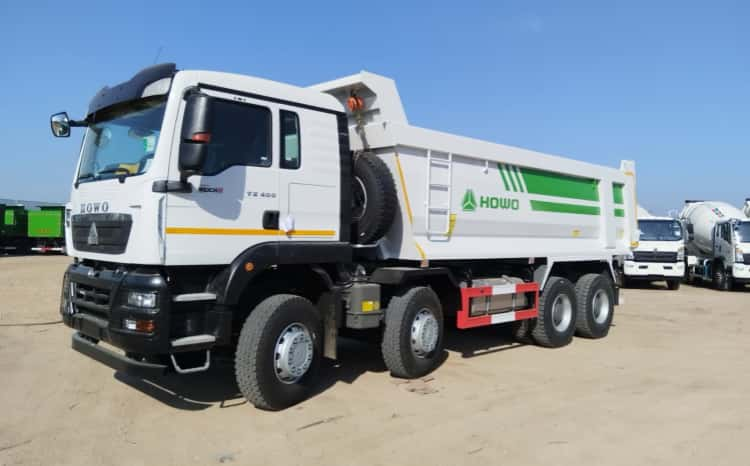
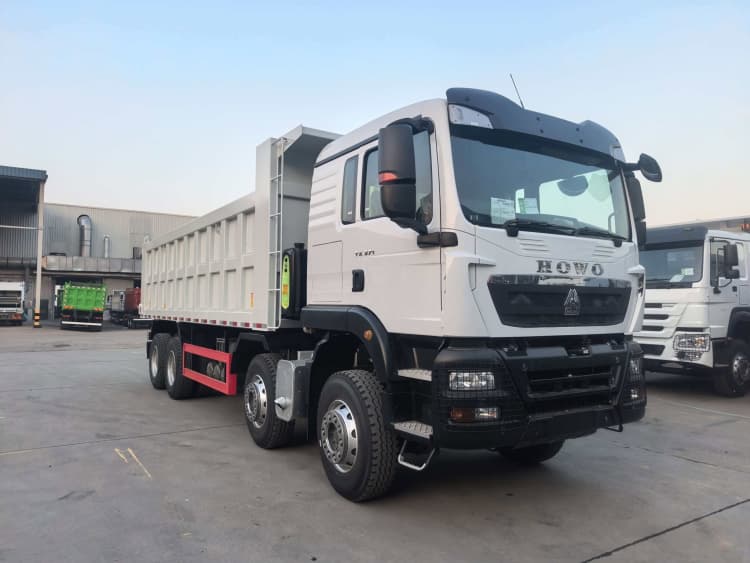
Supply chain volatility has become a constant headache for heavy truck buyers. Semiconductor shortages, supplier strikes, shipping delays and export restrictions can stretch new truck lead times for months. When a profitable tender or urgent site mobilisation hits, waiting for OEM deliveries can mean missed deadlines, liquidated damages and lost revenue. Many fleets turn to uncertified used trucks as a quick workaround, only to inherit hidden structural defects and unpredictable downtime. Standardized remanufacturing creates a diversified supply stream that is not fully tied to OEM manufacturing schedules.
New truck supply chains are inherently systemic and fragile
A brand-new heavy truck requires hundreds of specialised parts sourced from suppliers across multiple countries. A single bottleneck for engine castings, electronic control modules or braking assemblies can halt the whole production line. OEMs also prioritise large, long-term orders, leaving smaller fleets and last-minute capacity requests at the back of the allocation queue. Even once manufactured, new trucks face port hold-ups, customs clearance delays and long overland transit before reaching site. The entire timeline is outside the direct control of most fleet operators.
Standardized reman decouples core asset availability from OEM production
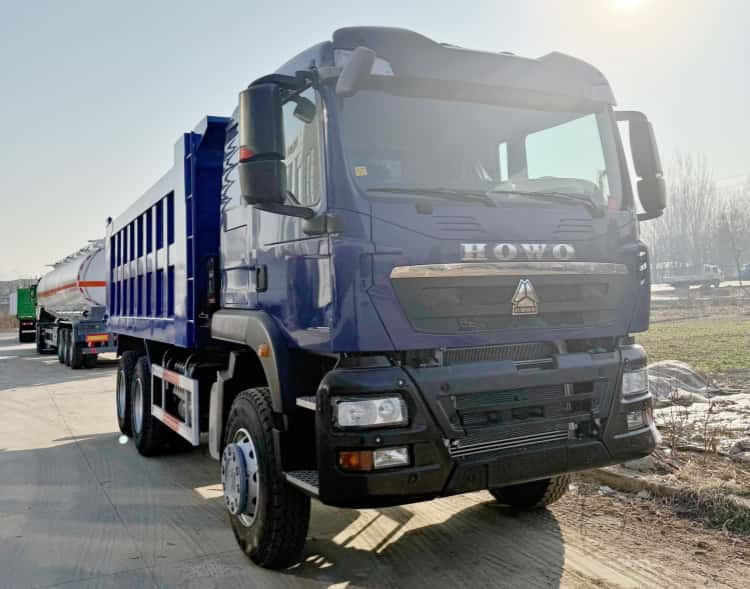
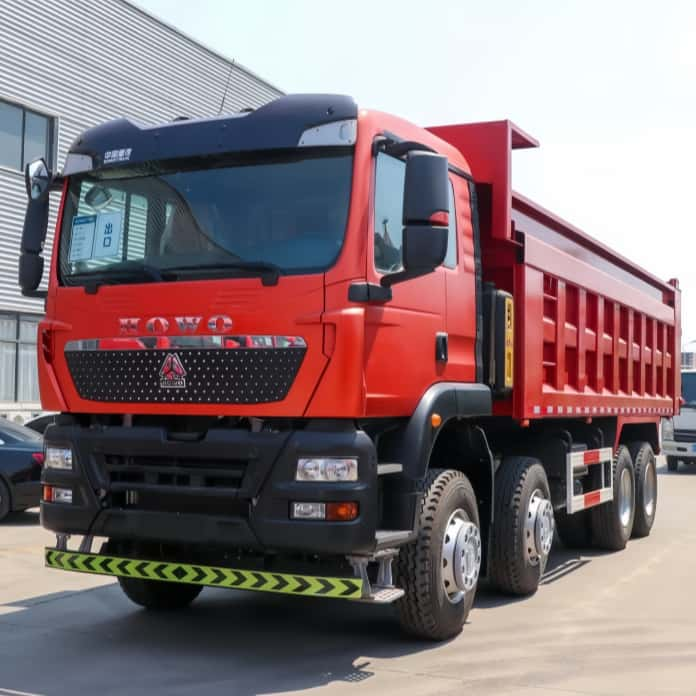
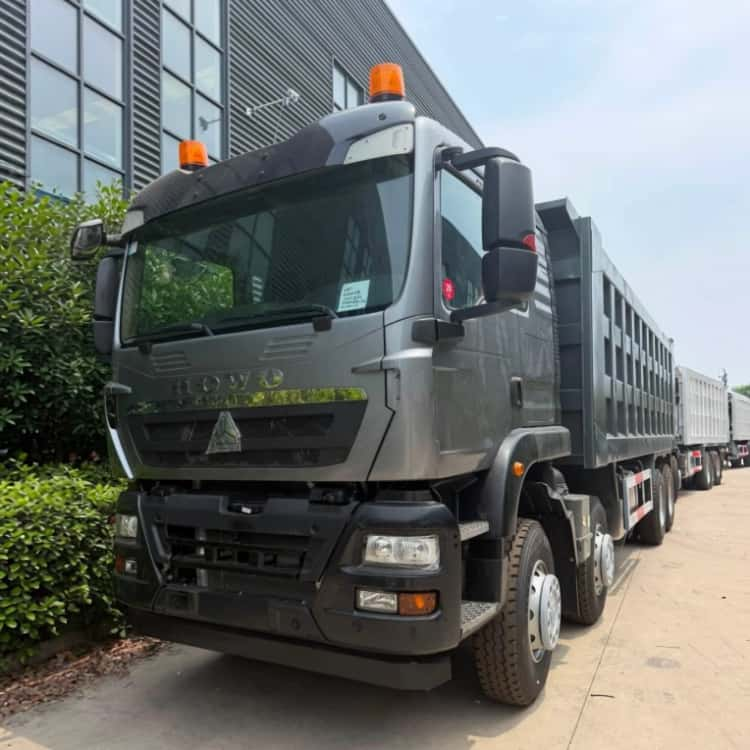
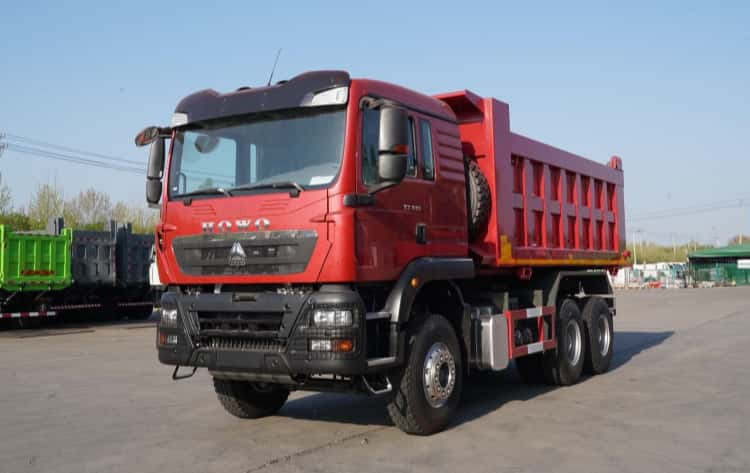
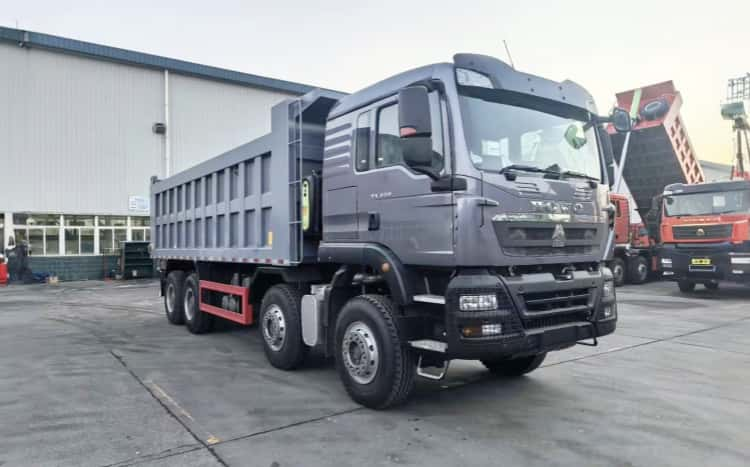
REMAN ROAD standardized remanufacturing starts with pre-sourced, pre-screened truck cores that are already local to the reman network. These retired chassis and major assemblies exist independently of current OEM production plans.
The standardized reman workflow follows fixed, repeatable engineering standards. While some replacement wear parts still rely on global suppliers, the high-value structural core is already in the system. This removes the longest delay phase: factory casting, assembly and cross-ocean shipment of a brand-new vehicle.
Standardised part specifications improve spare inventory resilience
All units built under the same REMAN ROAD platform standard use an approved, fixed component list. The workshop does not need to source unique, obsolete or one-off parts for every individual truck. Teams can maintain a focused stock of common service and wear components.
If one component line tightens, the standardised bill of materials makes it easier to identify equivalent qualified alternatives. This is very different from a mixed fleet of random used trucks, where each vehicle may carry unique, hard-to-source parts.
Pre-built finished stock acts as a capacity buffer
A mature standardized remanufacturing operation maintains an inventory of fully tested, graded and traceable ready units. Each truck comes with complete NDT reports, duty classification and warranty paperwork.
When demand spikes unexpectedly, fleets can draw from this ready pool instead of waiting for manufacturing. This buffer is especially valuable during peak construction seasons, mining ramp-ups and emergency project awards. It gives procurement teams a viable backup channel when new truck allocations fall through.
Diversified fleet strategy reduces over-reliance on a single supply source
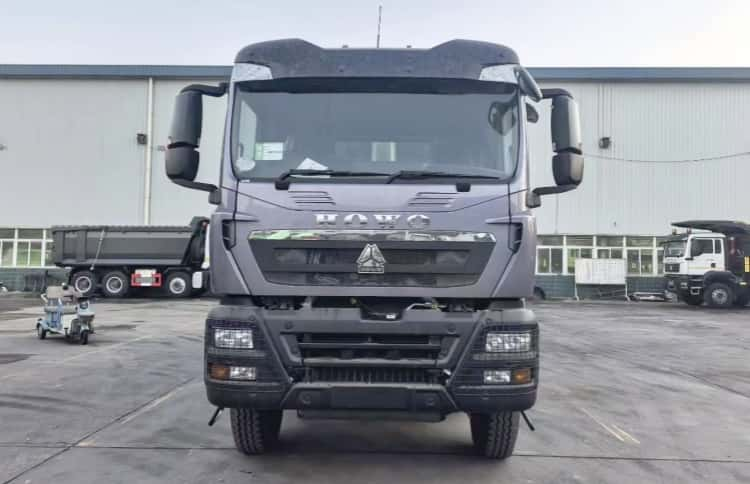
Supply chain resilience is built on not putting all capacity eggs in one basket. Forward-thinking fleets split their asset strategy into three tiers. New trucks are reserved for long-term core routes where latest emissions technology and full OEM support are mandatory.
Standardized remanufacturing forms the flexible swing capacity for short-term contracts and seasonal surges. Spot rental is only used for rare, unforeseen one-off demand. When OEM supply slows down, the reman pool absorbs the pressure, so profitable contracts do not need to be turned down.
Predictable lead times support tender and budget planning
Volatile lead times make tender pricing risky. If you commit to a project timeline based on new truck delivery dates that later slip, expensive emergency rentals and subcontracting become unavoidable.
Standardized reman’s throughput is predictable, governed by internal quality gates rather than global factory disruptions. You can lock in vehicle allocations early and build mobilisation schedules with confidence. This stabilises cash flow and protects tender margins from supply-side surprises.
Important guardrail: reman is not immune to every supply risk
Standardized remanufacturing has its own constraints. Regional core availability can tighten when multiple fleets rush to add capacity at the same time. Certain specialised electronic modules and precision wear components may still face global part shortages.
But the risk profile is fundamentally different. New truck shortages are widespread and industry-wide; reman limitations are local and tied to core sourcing and workshop throughput. Fleets can mitigate this by submitting forecast orders and reserving core allocations ahead of peak periods.
Final Takeaway
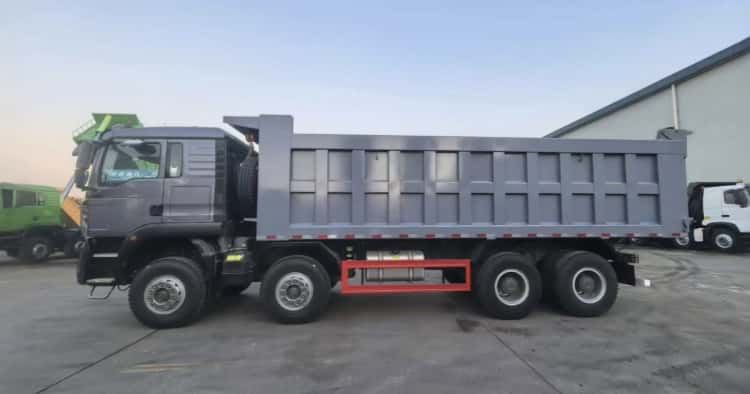
REMAN ROAD standardized remanufacturing creates a separate, regionally rooted supply channel, reducing how much your fleet depends on unstable global OEM manufacturing and shipping pipelines.
For procurement and fleet leaders, the key takeaway is simple: you cannot eliminate supply risk entirely, but standardized remanufacturing gives you a practical buffer to avoid being paralysed by new-truck delivery delays.