Clear Dispatch Rules Built Around Reman Duty Classification
Intro
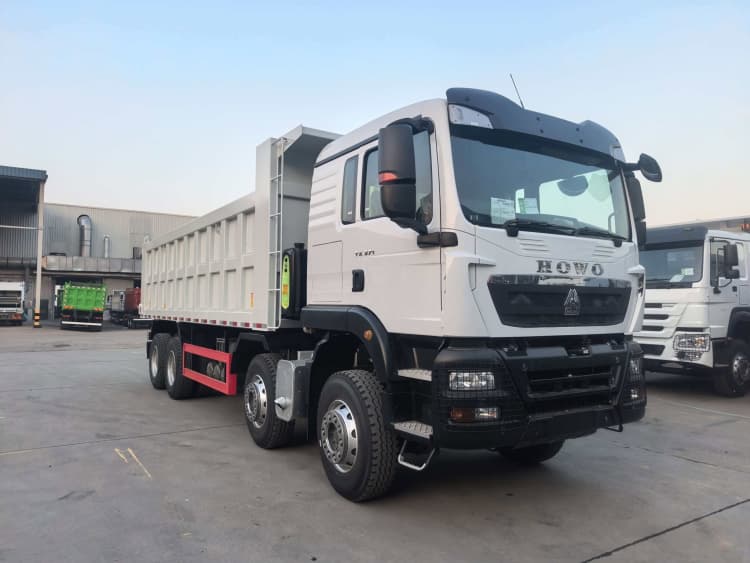
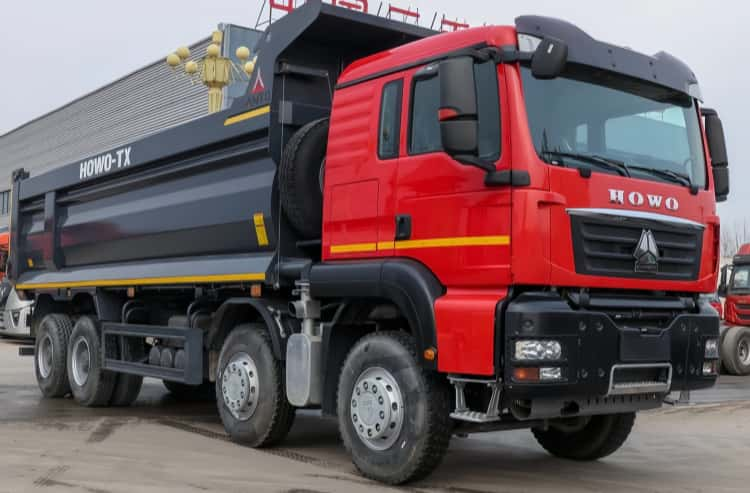
Dispatch teams face constant pressure to fill haul slots quickly. When reman trucks sit mixed in the fleet, it is easy to treat them as interchangeable. Two reman units may drive identically, but they carry different remaining fatigue budgets and duty limits. Sending a light-duty classified truck into rough quarry cycles is a silent risk. It accelerates frame fatigue, voids warranty, and creates sudden breakdowns that derail schedules. Reman duty classification turns vague “good condition” assessments into actionable dispatch rules.
What reman duty classification captures?
Each REMAN ROAD reman truck receives a formal classification after full NDT inspection. The grade quantifies remaining structural fatigue life, approved payload range, terrain type and cycle rate. One class may be approved for highway, low-cycle, moderate-weight transport. Another is cleared for heavy off-road, high-cycle quarry and construction haulage. Classification also records the maximum projected service hours left before the next mandatory structural audit. This is not a cosmetic rating; it is an engineering limit derived from chassis inspection data.
Core dispatch rule: match job profile to duty class
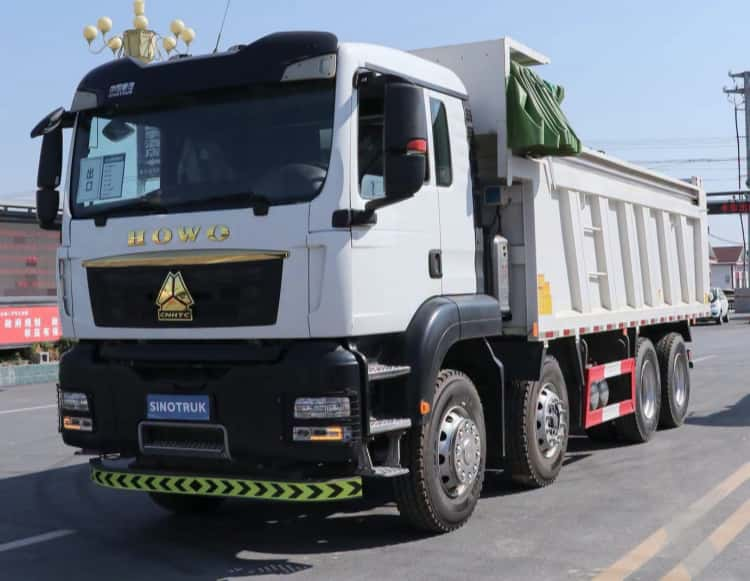
The primary dispatch principle is straightforward. Dispatchers first log the job’s parameters: average payload, terrain, cycle frequency, vibration exposure and contract duration. Then they select reman trucks whose duty classification fully covers all those conditions. A truck graded for paved highway runs cannot be assigned to continuous rough-site earthmoving. A high-grade off-road reman unit can handle tough work, but should not be repeatedly wasted on low-intensity highway runs if higher-value heavy assignments are waiting. This matching logic prevents both unsafe overuse and inefficient asset allocation.
Built-in hour tracking and cutoff triggers
Dispatch rules include running-hour guardrails tied to each classification. Every load assignment consumes part of the remaining duty budget. Fleet systems log operating hours, site type and payload for each VIN. When a truck approaches its hour threshold, dispatch automatically restricts it from heavy cyclic work. It moves to lighter duty, or is scheduled for structural re-inspection before further off-road deployment. This stops fatigue from accumulating unseen between formal service visits. It also preserves the validity of the certification and warranty terms.
Driver and site handover alignment
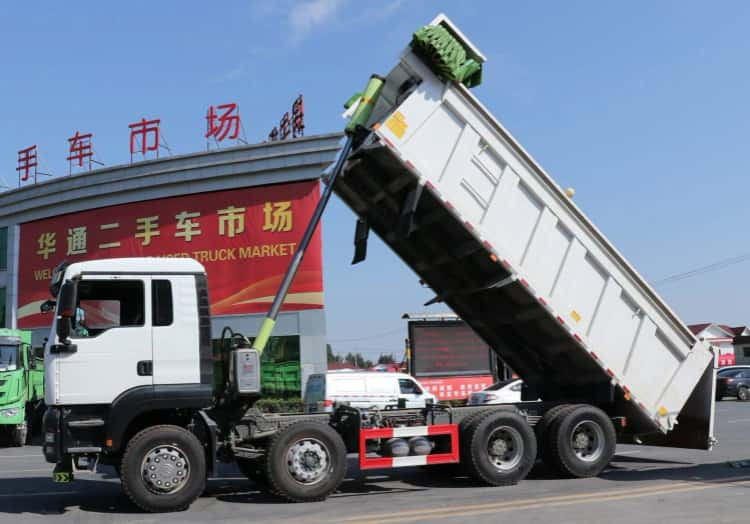
Duty classification information must travel with the truck on every dispatch. Drivers receive a clear briefing on the official payload and terrain limits, separate from general vehicle operating instructions. Site supervisors and main contractors also have visibility of the classification. If a site changes scope mid-job, adding heavier loads or rougher haul roads, dispatch must re-validate whether the assigned truck’s class still qualifies. This removes the common loophole where operational teams gradually push trucks beyond their rated envelope.
Simplifies fleet rotation and cross-site sharing
When reman trucks rotate between projects, reman duty classification is the first filter for dispatch. A truck finishing a highway transport job can be reassigned to another low-cycle site without a full re-audit. Before sending it to a quarry, the dispatcher only needs to confirm its grade supports off-road cyclic duty. This makes cross-site asset sharing much faster. Teams avoid repeated, expensive pre-deployment inspections, because the classification is already backed by NDT records in the VIN traceability file.
Warranty and compliance protection for the fleet
Most reman warranty coverage is conditional on operation within the published duty envelope. Poor dispatch discipline is one of the top reasons warranty claims get rejected. Standardised dispatch rules based on classification create an auditable record. If a fault occurs, you can prove whether the truck was operated within its approved parameters. This protects the fleet’s commercial recourse and simplifies client safety audits. Main contractors can see that equipment assignment follows engineering limits, not just urgent operational needs.
Important guardrail: classification does not replace ongoing inspection
Duty classification sets the safe operating boundary, but it is not static. Hard impacts, overloading incidents or abnormal vibration can reduce remaining fatigue life faster than forecasted. Dispatch rules include mandatory incident reporting. Any truck involved in an overloading event or heavy impact must be pulled from heavy duty and re-inspected before returning to the same class of work. Classification is a decision tool, not a permanent, unchanging stamp.
Final Takeaway
REMAN ROAD reman trucks duty classification gives dispatch teams clear, engineering-backed rules to match reman trucks to suitable haulage tasks, avoiding unsafe over-deployment and protecting warranty, residual value and fleet profitability. For dispatch and fleet leaders, the key takeaway is simple: reman trucks are not interchangeable — dispatch should be guided by what each unit is engineered to safely deliver.