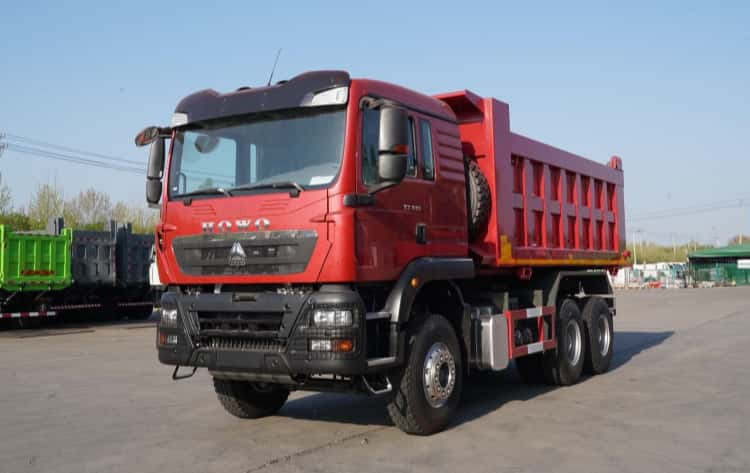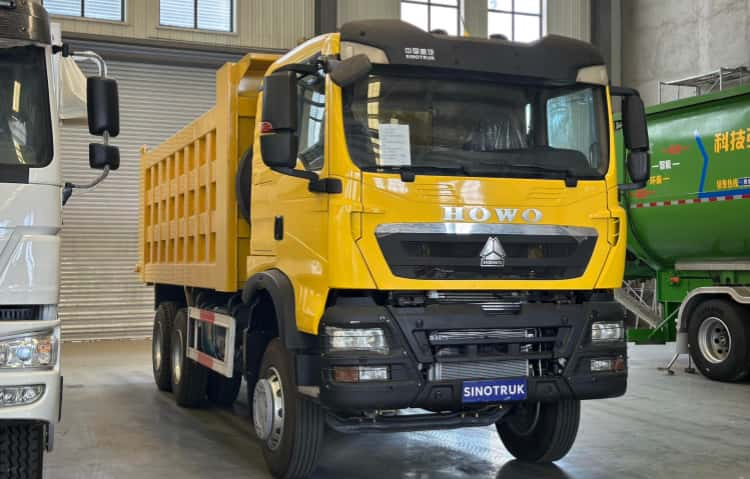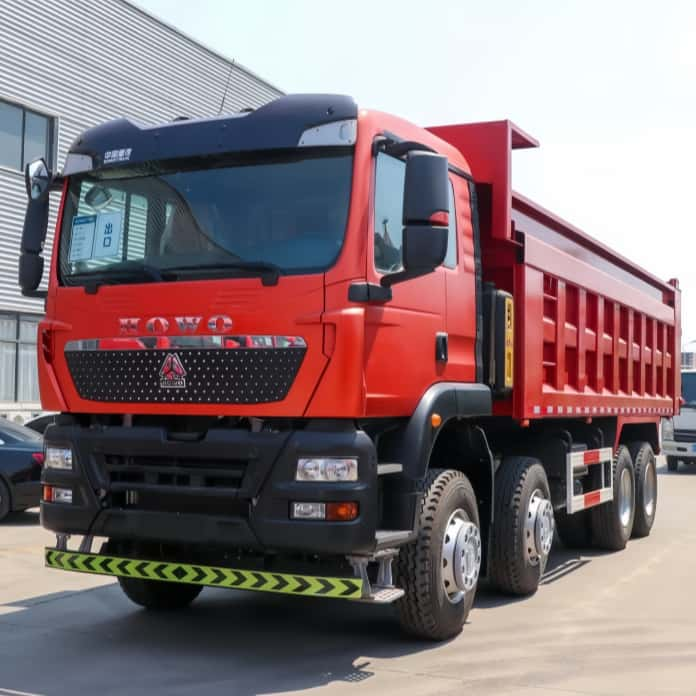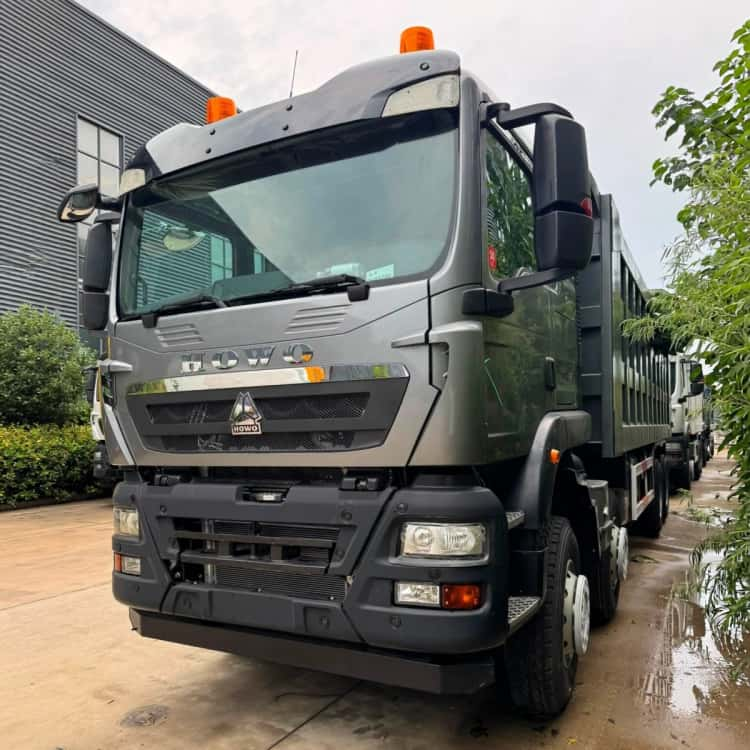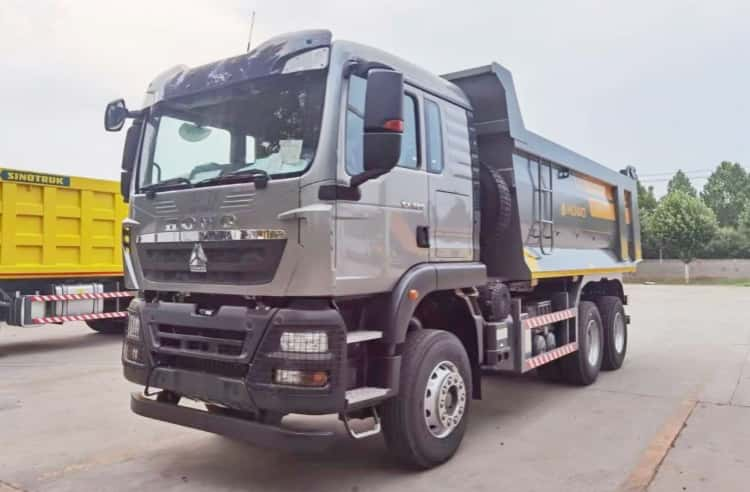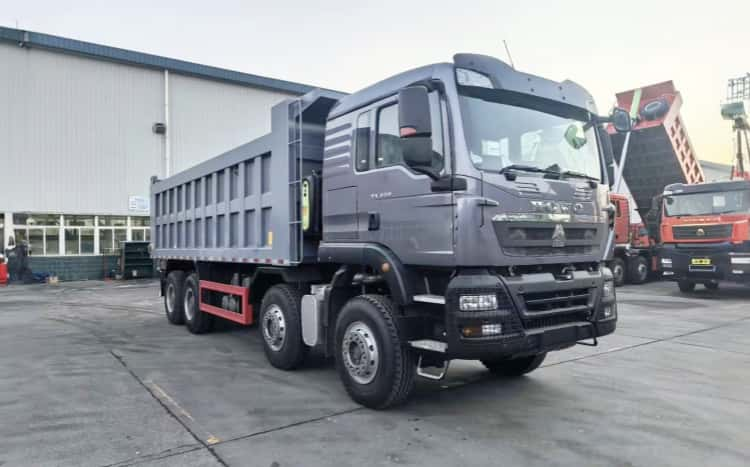
Industrial Remanufactured Truck: Reduce Exposure to Global New Truck Supply Delays
Intro
Global new heavy truck supply chains remain fragile. Semiconductor shortages, supplier strikes, cross-border shipping congestion and geopolitical shifts can stretch OEM lead times for months or longer.
For construction, mining and logistics fleets waiting for new units, delay directly translates into idle crews, missed haulage milestones and contractual penalties. Many operators assume their only alternative is unvetted used trucks, which carry unpredictable breakdown risk.
REMAN ROAD industrial remanufactured truck creates a separate, decoupled supply stream. It does not rely on OEM forward-production schedules, so fleet capacity plans become far less exposed to global supply shocks.
New truck supply chains depend on dozens of imported critical components
A brand-new heavy truck needs coordinated delivery of electronics, engine castings, braking modules and hydraulic parts from multiple global tier suppliers. If one single component line stalls, the whole assembly line slows or stops. OEMs prioritise allocations to large, long-term orders, leaving smaller fleets or last-minute mobilisation requests waiting indefinitely.
Even once built, new trucks still face port hold-ups, customs queues and long overland transit before reaching site. This multi-layered dependency is the root of most supply delay risk.
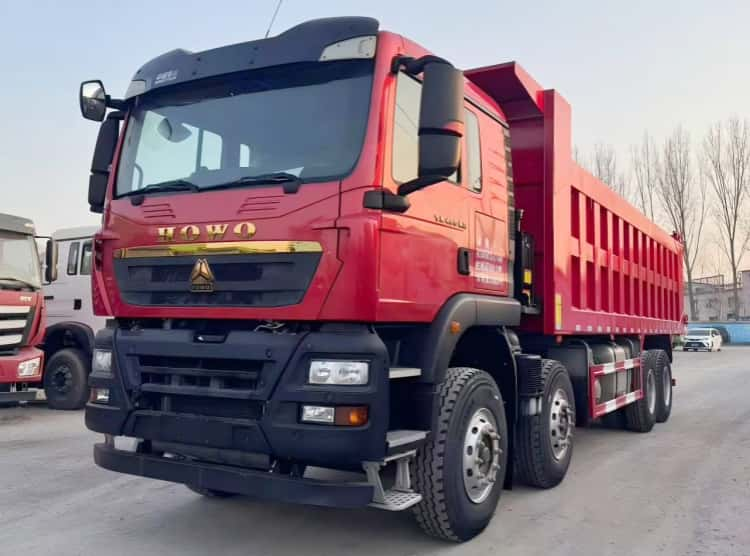
Industrial reman uses a reverse, regionally anchored workflow
REMAN ROAD industrial remanufactured truck’s reman pipeline starts with pre-sourced, pre-screened local or regional truck cores. These retired units are already physically present in the truck reman network, not waiting on overseas manufacturing. The rebuild process uses a mix of retained qualified structural hardware and readily available aftermarket or certified replacement wear parts.
While some components are still sourced globally, the core asset itself is already in the system. This removes the months-long wait for OEM manufacturing and intercontinental shipping that defines new truck orders.
Stocked certified units support fast mobilisation
A mature industrial reman operation maintains a ready pool of graded, tested, traceable finished units. Fleets can place orders and take delivery in weeks instead of quarters. This is transformative for time-sensitive fixed-term projects, emergency capacity surges and peak haulage seasons.
When a tender award lands with a short mobilisation window, industrial remanufactured truck can fill the gap while new truck orders remain stuck in the OEM queue. It turns supply uncertainty into a controllable procurement choice.
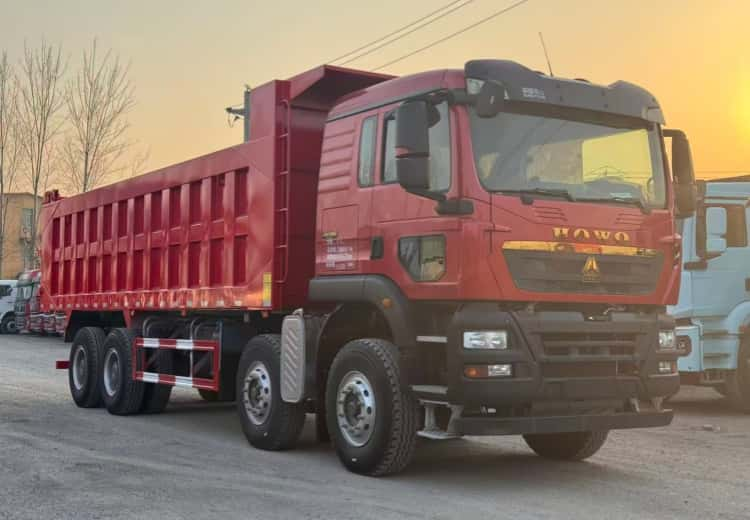
It diversifies your fleet sourcing strategy
Supply chain resilience is built on not relying on one single source. Fleet managers can split growth requirements into two streams. New trucks are reserved for long-cycle, core routes where latest emissions technology and full OEM warranty are required.
Certified industrial remanufactured truck handles flexible, short-term and peak capacity needs. If OEM supply slows, the reman pool acts as a shock absorber. You do not need to halt expansion or turn down profitable contracts just because new truck production is disrupted.
Reman lead times are still governed by quality gates
Shorter lead time does not mean skipping technical controls. REMAN ROAD still runs full intake NDT, component cleaning, inspection, rebuild, dyno and functional testing. The speed advantage comes from bypassing OEM design, casting and global component coordination, not cutting quality corners.
Workshops maintain fixed quality checkpoints, and independent audits verify that standards are not rushed for faster shipment. Fast delivery without certification is just a rushed rebuild, with all the hidden structural risk that entails.
Important distinction: supply resilience is not supply immunity
Truck reman networks face their own constraints. Core availability can tighten when regional fleets all rush to add capacity at the same time. Certain specialised wear components may still face global part shortages. But the risk profile is fundamentally different.
New truck delay is systemic and industry-wide; remanufactured truck delay is tied to local core sourcing and workshop throughput. Fleet buyers can mitigate it by locking in core allocations and placing forecast orders early.
It protects tender and contract margins
When you submit a fixed-price tender, you assume the asset will arrive on time. If your new truck delivery slips, you may be forced to rent expensive spot equipment or run understaffed haul operations.
Industrial remanufactured truck’s more predictable lead time lets you build realistic mobilisation schedules. You can lock in vehicle availability before the project starts, reducing the chance of costly emergency workarounds.
Final Takeaway
Industrial remanufactured truck creates a supply channel decoupled from volatile global OEM production and shipping pipelines. For fleet and procurement leaders, the key takeaway is simple: you cannot eliminate global supply risk, but you can build a fleet strategy that does not depend entirely on new truck deliveries.