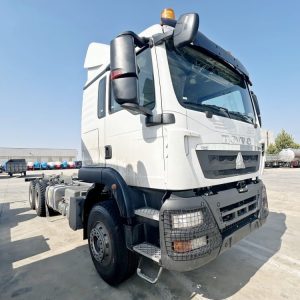
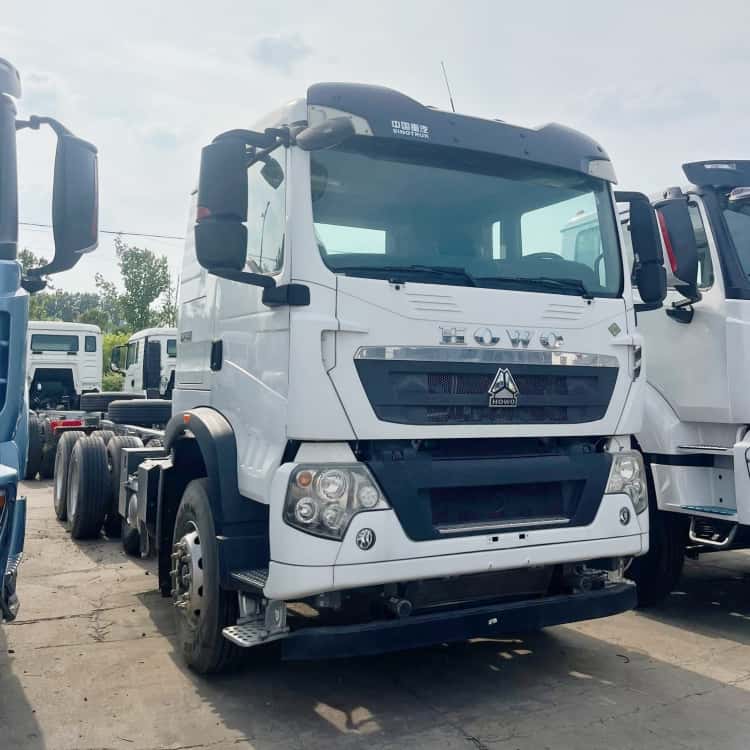
Reman Howo TX 400 Chassis Truck 6×4
Built for global special‑vehicle conversion demands, REMAN ROAD reman dump chassis retains all original OEM mounting interfaces, allowing local factories to assemble tankers, dump boxes or other customized bodies with zero modification.
REMAN DUMP CHASSIS DESCRIPTION
- REMAN ROAD reman dump chassis reflects circular‑economy logic for heavy‑duty commercial‑vehicle conversion.
- Instead of scrapping serviceable used chassis, we fully take apart all core assemblies, filter out impaired and fatigued components, and reassemble following strict industrial reman standards.
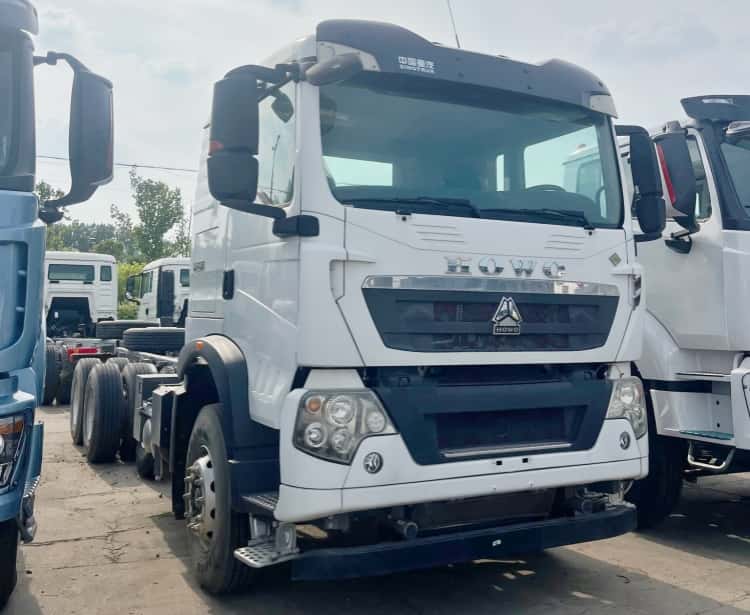
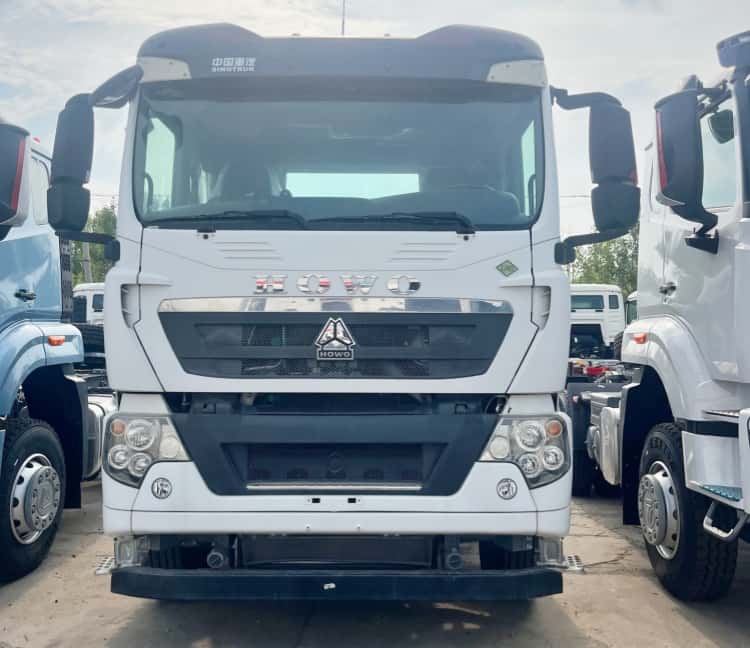
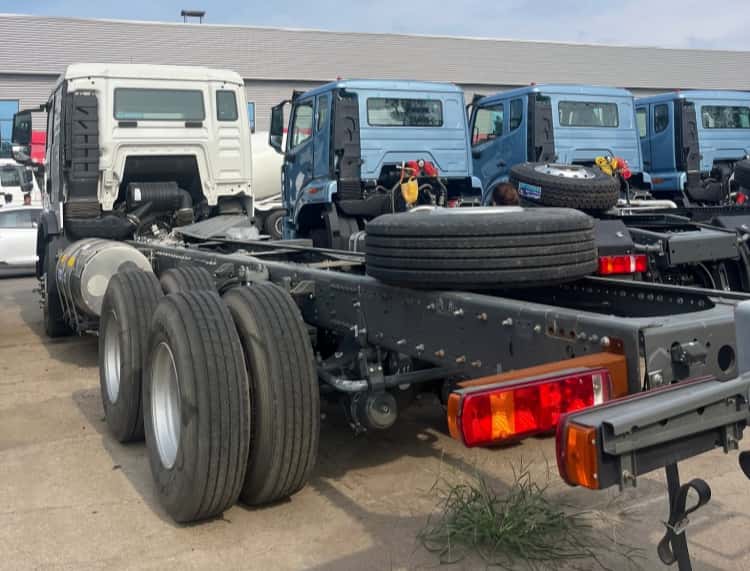
- Renewed fuel supply and air intake assemblies deliver stable power output under varied working conditions.
- Each finished REMAN ROAD reman dump truck chassis comes with complete traceable overhaul archives, simplifying subsequent conversion work, periodic maintenance planning and future secondary resale for asset holders.
TRUCK REMANUFACTURING PARAMETER TABLE
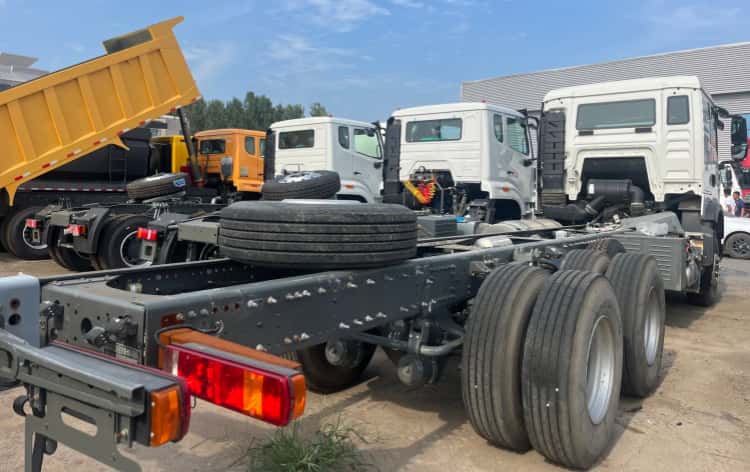
- Overall Dimension (mm): 8350×2480×3120; main frame magnetic‑particle flaw detection completed; superstructure mounting points calibrated to OEM dimension
- Axle Configuration: 6×4; heavy‑duty HOWO drive axles fully disassembled, bearing groups and oil seals renewed
- Tyre Spec: 12.00R20 heavy‑duty tyres; wheel hubs inspected and torque‑calibrated
- Engine: Remanufactured Weichai diesel engine; cylinder block inspection, valve train overhaul, fuel injection parameters recalibrated
- Transmission: Rebuilt heavy‑duty manual gearbox; worn friction assemblies replaced, gear backlash precisely fine‑tuned
- Suspension: Heavy‑duty leaf‑spring suspension; spring fatigue screening finished, suspension geometry recalibrated
- Steering System: Steering gear overhaul, sealing elements replaced, steering clearance adjusted
- Air‑Brake System: Air chambers, relay valves and pipeline fittings renewed; long‑duration pressure retention and leakage validation passed
- Fuel Tank: Steel fuel tank, interior descaling and anti‑rust processing, all sealing connectors replaced
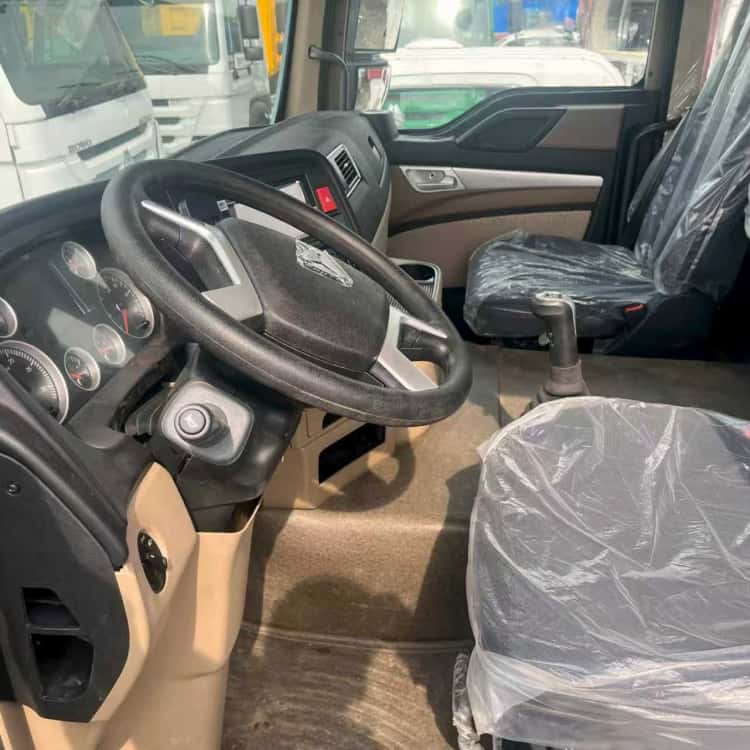
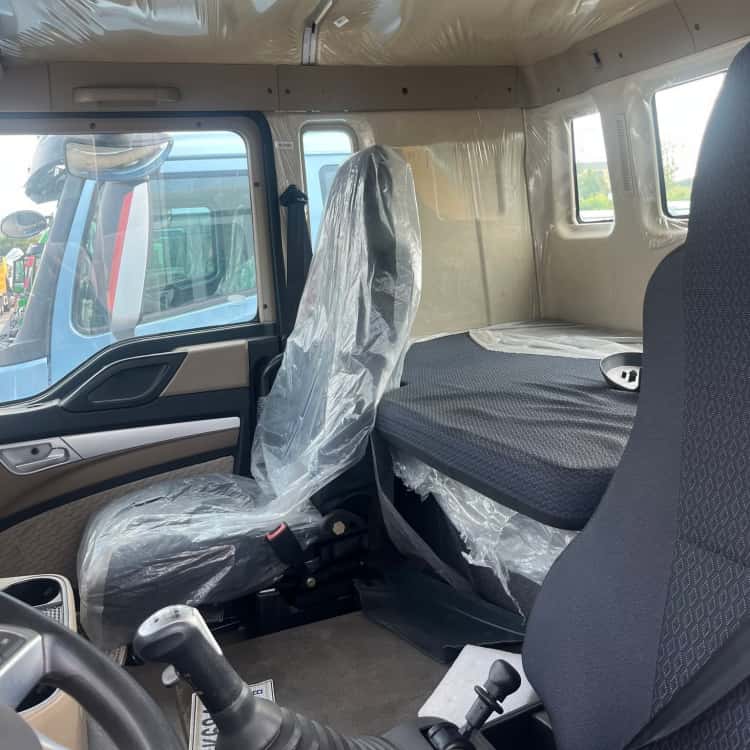
- Cabin: Sealing reconstruction, instrument cluster calibration, air‑conditioning overhaul, interior trim refreshed
STANDARDIZED REMANUFACTURING PROCESS
- Step 1. Pre‑teardown comprehensive diagnosis
Run full functional inspection for incoming HOWO 6×4 chassis, record powertrain output, steering clearance, brake performance and frame deformation signs, mark high‑risk mounting points before module disassembly. - Step 2. Full disassembly, cleaning and component assessment
Dismantle chassis into powertrain, steering, brake, suspension and main frame; thoroughly clean all components. Frame and welded parts conduct non‑destructive flaw scanning; scrap parts with crack or permanent deformation. Qualified reusable hardware receives precision refurbishment, all high‑wear assemblies adopt certified replacement spares. - Step 3. Frame restoration, mounting‑point calibration and system reassembly
Reinforce frame high‑stress cross‑members, correct deformed superstructure mounting positions to match OEM dimension, reassemble each assembly. Complete powertrain‑transmission‑drive‑axle matching, debug steering clearance and brake pressure output. - Step 4. Chassis performance validation & file archiving
Execute engine bench test, static brake pressure‑holding test and full‑load chassis road test. Qualified chassis finish cabin finishing; all repair and replacement data are sorted into exclusive reman archive for client delivery.
FULL‑LIFECYCLE TOTAL COST ANALYSIS
When calculating total expenditure covering upfront purchase, conversion cost, scheduled maintenance, unexpected breakdown repairs, downtime losses and residual value over the service cycle:
- Brand‑new HOWO TX chassis brings factory‑level reliability yet occupies large capital budget, and suffers sharp depreciation once fitted with superstructure and put into operation.
- Ordinary used chassis truck features low entry‑level price, yet unknown prior service history hides frame deformation, mounting‑point distortion and powertrain hidden damage; sudden mechanical failures happen easily after upper‑body installation, bringing extra rework cost and project delay risk, while unclear overhaul records create big uncertainty for later resale.
- Basic refurbished chassis truck only repairs visible faults and repaints surface, without deep disassembly of core assemblies, so internal structural hazards remain and will gradually emerge under heavy‑load working conditions.
- REMAN ROAD reman dump chassis realizes optimized full‑cycle economic performance. Its acquisition cost is obviously lower than new chassis; standardized reman workflows eliminate latent mechanical and frame risks, cutting unplanned downtime and emergency repair expense. Complete traceable reman documents support objective asset evaluation, so the chassis maintains decent residual value after conversion, generating stable long‑term benefits for special‑vehicle conversion workshops and fleet operators.
FAQ
- Q1. What core differences exist between your industrial reman dump chassis and ordinary second‑hand or simply refurbished chassis available on the market?
A. Simple refurbished chassis only fix visible faults and repaint appearance, without splitting powertrain and frame for deep inspection; deformed mounting points and hidden frame fatigue cannot be detected. REMAN ROAD truck reman process completes full‑module disassembly, non‑destructive detection for frame and mounting supports, one‑by‑one component screening, plus engine bench test and full‑load road test. We focus on structural accuracy and mechanical reliability rather than surface condition. - Q2. Will the superstructure mounting dimensions of your reman dump chassis deviate from original OEM standards? Can I directly install my existing upper‑body components?
A. All mounting holes, bracket positions and frame dimension are corrected and calibrated strictly according to OEM specifications. No extra modification is required for standard dump box, tanker or mixer superstructure, and direct installation is supported. - Q3. Which parts will you retain original and which will you replace during chassis remanufacturing?
A. Frame can be reused only after passing flaw detection and dimensional verification; components with cracks or irreversible deformation will be scrapped directly. All sealing kits, bearings and friction‑consumed parts are replaced with qualified spares. Reusable cast components will go through deep cleaning and precision reconditioning before reassembly. - Q4. Can every reman step of this reman dump chassis form traceable records? What documents can you provide after delivery?
A. Each chassis owns an independent reman archive, covering incoming condition record, frame flaw‑detection report, engine bench‑test data, key‑component replacement log and final road‑test result. These documents will be provided together with the chassis.