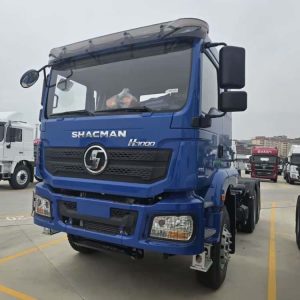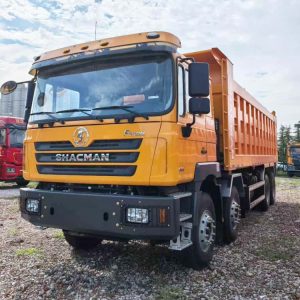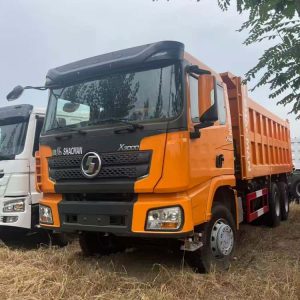
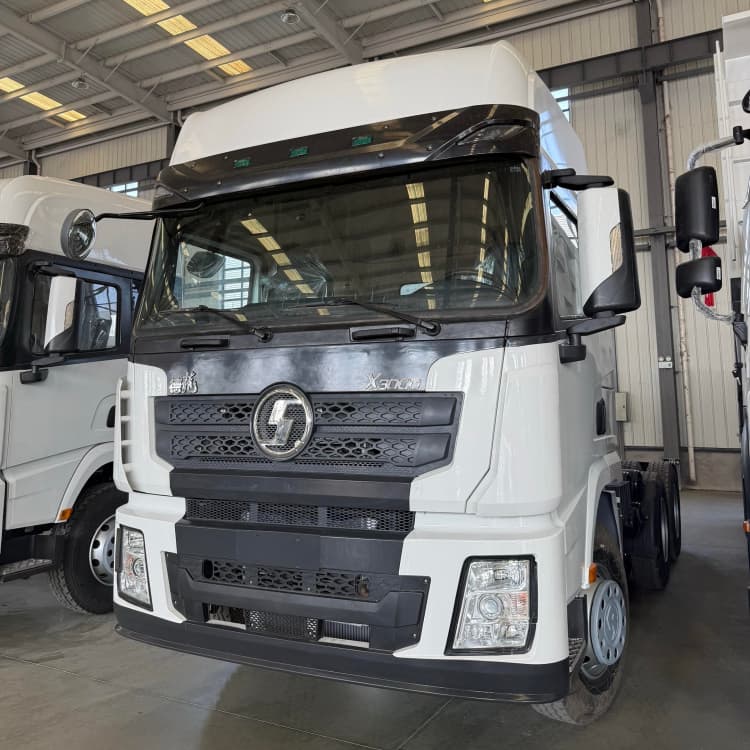
Reman SHACMAN X3000 430 Truck Head 6×4
Optimized for global aftermarket deployment, REMAN ROAD reman SHACMAN truck head X3000 preserves OEM mounting geometry, enabling local repair shops to source regular off‑the‑shelf components for routine upkeep.
REMAN SHACMAN TRUCK HEAD DESCRIPTION
- This reman SHACMAN truck head X3000 embodies circular heavy‑asset deployment for today’s freight industry.
- REMAN ROAD truck reman fully strip key assemblies, filter out fatigued and impaired parts, and reassemble in line with strict industrial reman specifications.
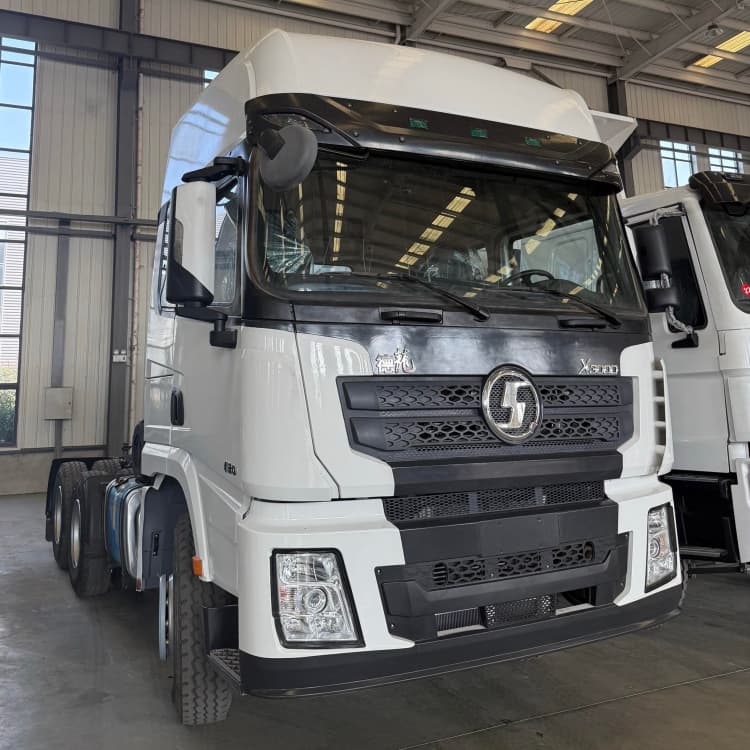
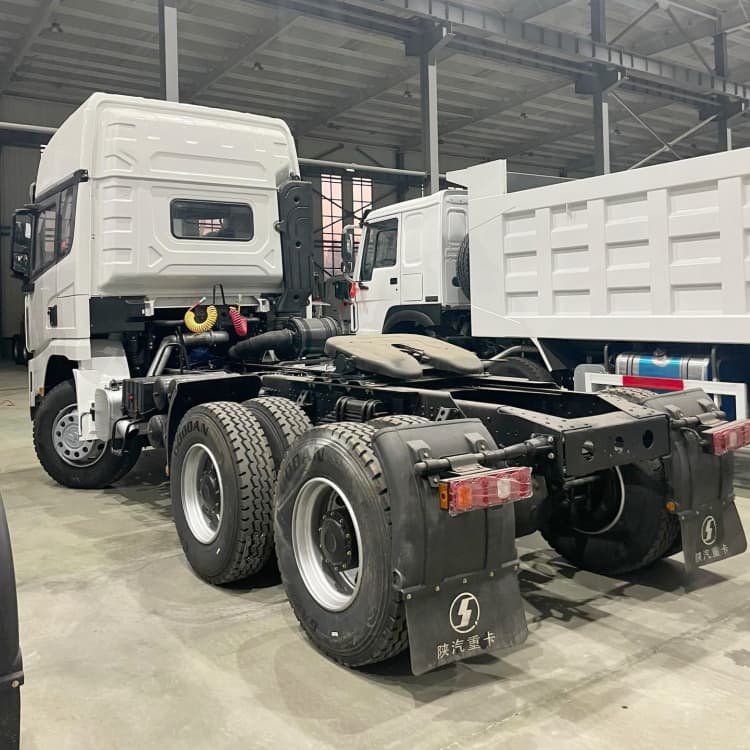
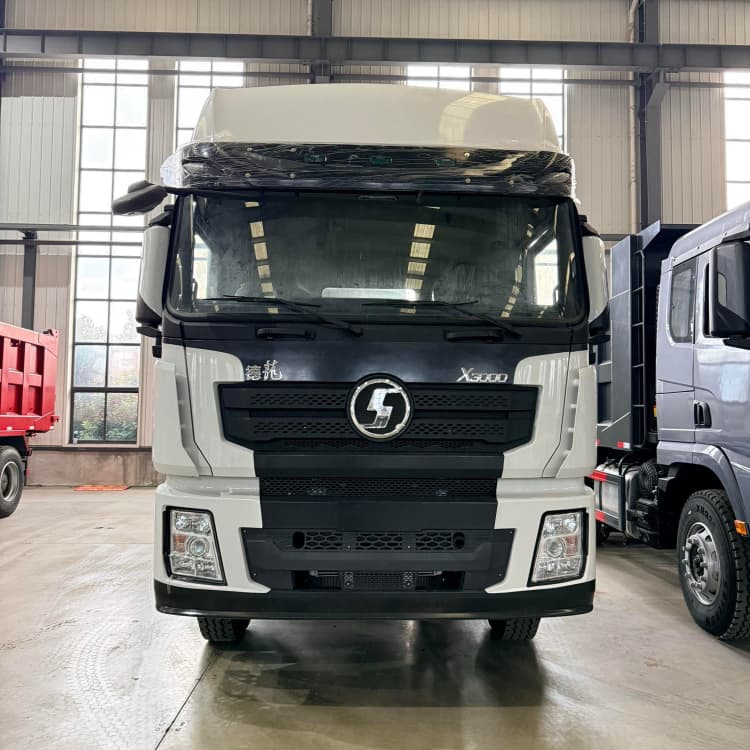
- Refreshed air intake and fuel delivery assemblies cut roadside failure risks during extended highway trips; overhauled drive axles sustain steady torque output under peak pulling loads.
- Every finished reman X3000 tractor truck carries complete traceable overhaul archives, simplifying asset valuation, periodic maintenance scheduling and future secondary resale for fleet holders.
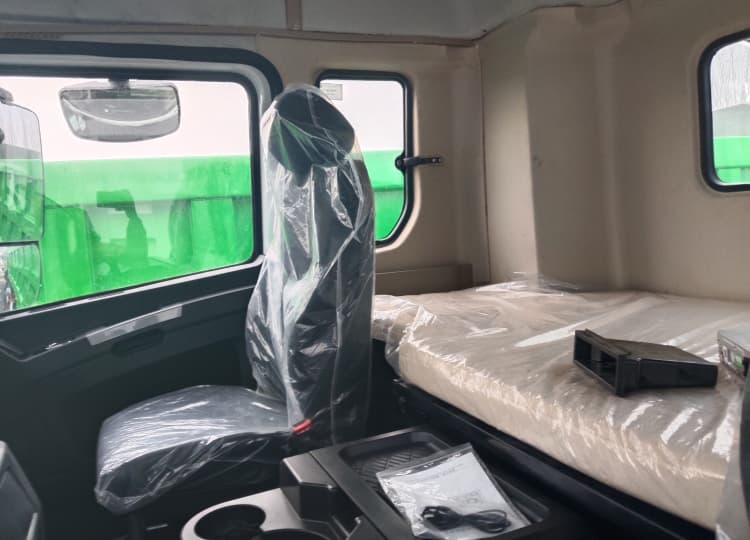
TRUCK REMANUFACTURING PARAMETER TABLE
- Overall Dimension (mm): 6940×2520×3460; main frame magnetic particle inspection completed, cyclic‑stress zones reinforced
- Axle Configuration: 6×4; heavy‑duty SHACMAN drive axles fully disassembled, bearing groups and oil seals renewed
- Tyre Spec: 12.00R20 heavy‑duty radial tyres; wheel hubs inspected and reconditioned
- Engine: Remanufactured Weichai high‑torque diesel engine; cylinder condition assessed, valve train reworked, fuel injection parameters recalibrated
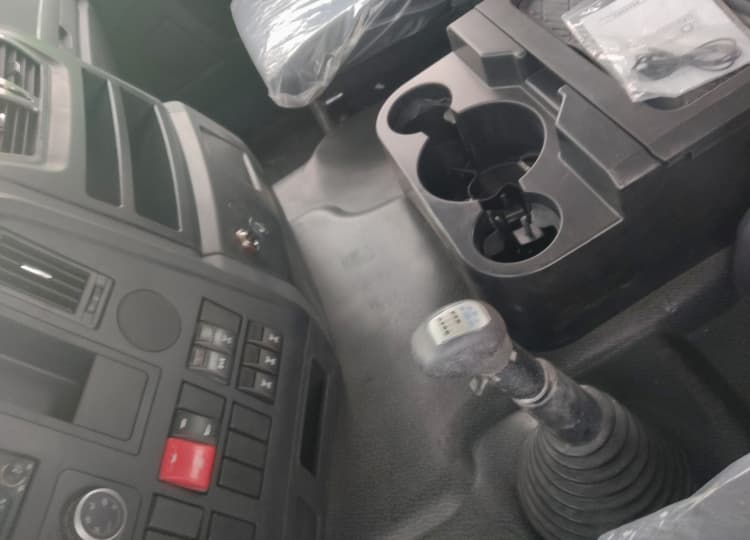
- Transmission: Rebuilt manual transmission; worn friction packs replaced, gear meshing clearance precisely fine‑tuned
- Suspension: Heavy‑duty parabolic leaf‑spring suspension; spring fatigue screening finished, axle load distribution calibrated
- Fifth‑Wheel Assembly: Full disassembly and wear surface resurfacing; locking mechanism renewed, centralized lubrication circuit rebuilt
- Air‑Brake System: Air chambers, relay valves and pipeline fittings renewed; long‑duration pressure retention and leak‑test passed
- Fuel Tank: Large‑capacity aluminium alloy fuel tanks, interior cleaning and anti‑corrosion treatment, sealing fittings replaced
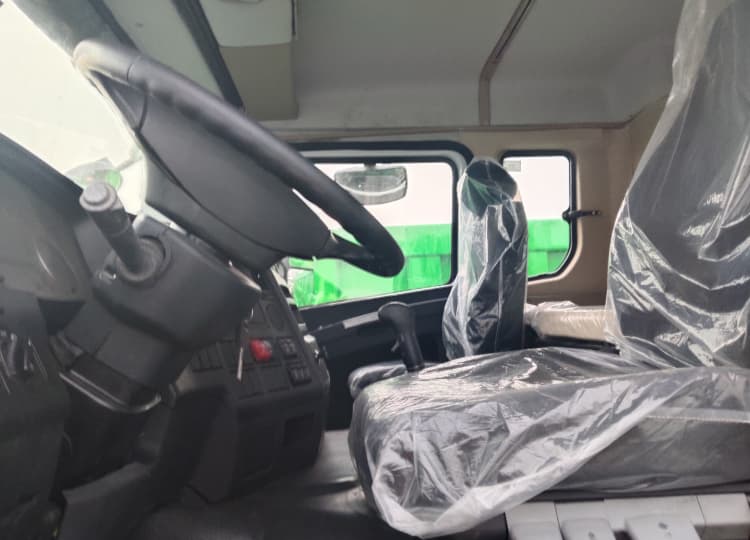
- Driver Cabin: Sealing reconstruction, instrument cluster calibration, air‑conditioning system overhaul, interior trim renewed, acoustic insulation optimized
- Remanufacturing Acceptance Standard: Module‑wise decomposition, component grading screening, engine bench test, full‑load road validation, traceable reman archive supplied
STANDARDIZED REMANUFACTURING PROCESS
- Step 1. Pre‑disassembly system diagnosis audit
Run end‑to‑end functional inspection for incoming SHACMAN X3000 tractor, log powertrain output metrics, brake circuit performance and frame distortion signals, mark suspected risk points before module teardown. - Step 2. Module decomposition & component qualification assessment
Split vehicle into independent major assemblies, execute thorough cleaning for every component. Cast housings go through non‑destructive flaw scanning; parts with fatigue cracking or permanent deformation get scrapped. Repairable reusable hardware receives precision refurbishment, all high‑risk wearing assemblies adopt qualified replacement components. - Step 3. Structural restoration, reassembly and system matching calibration
Reinforce frame cyclic‑stress vulnerable sections, reassemble all modules. Complete powertrain‑transmission‑axle matching, fine‑tune shift logic, brake pressure output and fifth‑wheel locking preload. - Step 4. Multi‑indicator performance validation & final hand‑over
Execute engine bench performance test, static air‑brake pressure‑holding verification, full‑load traction simulation and real‑road driving inspection. Vehicles satisfying all performance benchmarks complete cabin finishing and repainting, with full traceable reman archives compiled for delivery.
FULL‑LIFECYCLE TOTAL COST ANALYSIS
When computing comprehensive expenditures across the whole asset lifecycle, including upfront procurement, scheduled servicing, unplanned breakdown repairs, operational downtime losses and terminal residual value:
- Brand‑new SHACMAN X3000 tractors deliver outstanding factory‑fresh performance yet consume substantial operating capital, with rapid early‑cycle depreciation eroding asset worth within initial service years.
- Second‑hand SHACMAN X3000 tractors carry low entry‑level costs, yet unknown prior overloading and harsh service background conceal structural and drivetrain defects; unexpected in‑transit component failures trigger costly emergency repairs plus cargo hold‑up losses, while undocumented service history creates major uncertainty for later asset liquidation.
- Superficially refurbished SHACMAN X3000 trucks only resolve visible defects and cosmetic blemishes, leaving subsurface material fatigue untouched, so maintenance spending surges after limited mileage accumulation.
- REMAN ROAD reman SHACMAN truck head achieves balanced lifecycle economics. Its acquisition cost sits far below brand‑new equivalents; standardized reman workflows eradicate latent mechanical and structural hazards, lowering unplanned downtime and emergency repair expenditure. Comprehensive traceable reman documentation enables impartial asset appraisal, helping the reman Shacman truck head retain decent residual value upon resale and generate reliable long‑run returns for commercial fleets.
FAQ
- Q1. What key gaps exist between your industrial reman SHACMAN truck head and those simple cosmetic‑refurbished units circulating across global used‑truck markets?
A. Cosmetic refurbishment mostly addresses visible defects and outer appearance without complete module disassembly, numerous hidden fatigue risks remain inside core assemblies. REMAN ROAD reman process takes apart every critical module, carries out non‑destructive structural inspection, screens each component one by one, replaces fatigued high‑risk parts, and implements bench test plus dynamic load verification. We evaluate quality by mechanical performance rather than exterior finish. - Q2. For heavy cast components including engine cylinder block and axle housing on SHACMAN X3000, under which circumstances will you reuse original housings, and when will you discard them outright?
A. Original cast housings can only be reused after passing non‑destructive flaw detection and dimensional measurement, with zero cracks, permanent distortion or metal fatigue detected. If micro‑cracks or deformation are spotted, we scrap the housing directly instead of reassembling it for cost control. Reused housings also go through deep cleaning and precision reconditioning before installation. - Q3. Multiple vendors label simple refurbished trucks as remanufactured. What tangible proof can you provide to confirm this is genuine reman output instead of basic repair work?
A. Authentic remanufacturing delivers three sets of objective technical evidence: module‑disassembly inspection record, engine bench‑test report, full‑load dynamic test log. Purely refurbished trucks cannot produce these technical papers. Third‑party witness inspection inside our workshop prior to shipment is supported. - Q4. During remanufacturing work, do you rely merely on static visual inspection, or must every core assembly finish bench testing and dynamic load validation?
A. Visual inspection serves only as auxiliary check. For reman SHACMAN truck head, the engine must complete bench performance testing; brake system needs extended pressure‑holding validation; the whole vehicle has to pass full‑load traction simulation and real‑road driving check. We never release units only processed with surface renovation. - Q5. What economic and operational risks will buyers face if they mistakenly purchase refurbished trucks falsely marketed as remanufactured heavy‑duty tractors?
A. Such trucks retain hidden fatigue inside frame, engine and drive axles. Under real‑world heavy‑haul and rough‑road working scenarios, abrupt component failure may occur, bringing substantial emergency repair fees, cargo delivery delays, plus potential driving safety hazards. REMAN ROAD reman workflow is designed to remove these latent internal dangers.