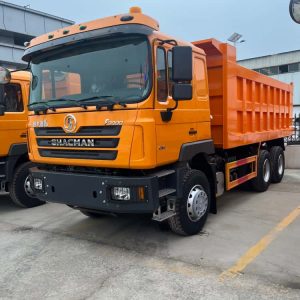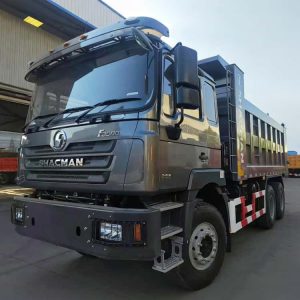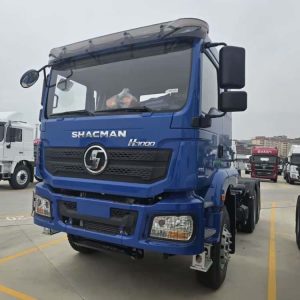
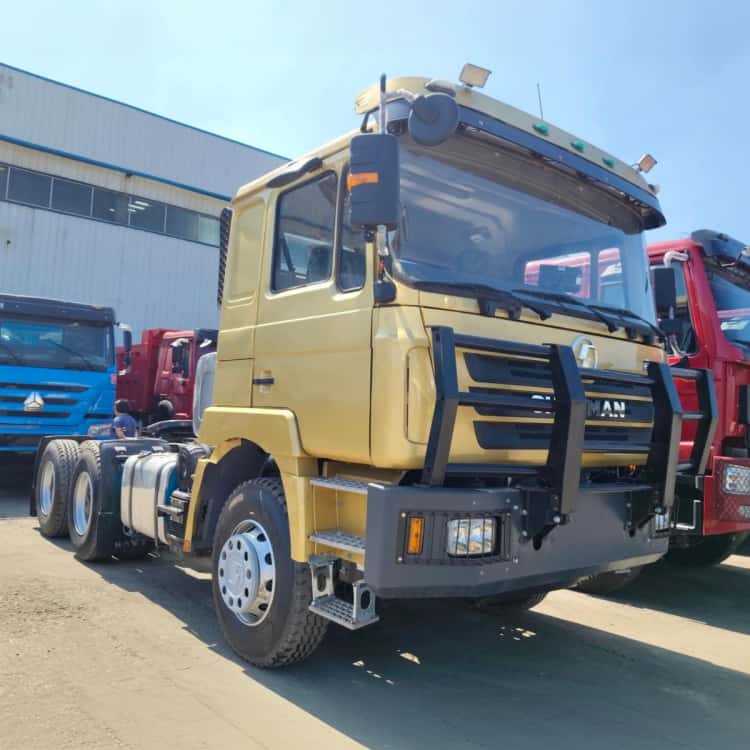
Reman SHACMAN F3000 6×4 Tractor Truck
REMAN ROAD reman SHACMAN tractor truck F3000 undergoes full module teardown and component grading, every assembly endures heavy‑load simulation testing to sustain stable output for container, bulk and oversized cargo transport missions.
REMAN SHACMAN TRACTOR TRUCK DESCRIPTION
- REMAN ROAD reman SHACMAN tractor truck F3000 6×4 is engineered for tough operating environments where uneven road surfaces and continuous heavy payloads accelerate component wear.
- Instead of surface‑level touch‑ups, REMAN ROAD reman workflow disassembles powertrain, steering linkage, brake circuit and chassis frame independently.
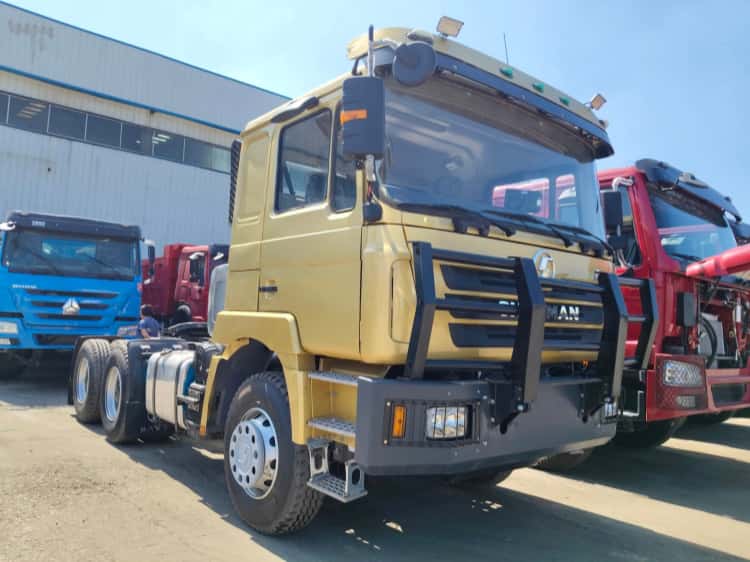
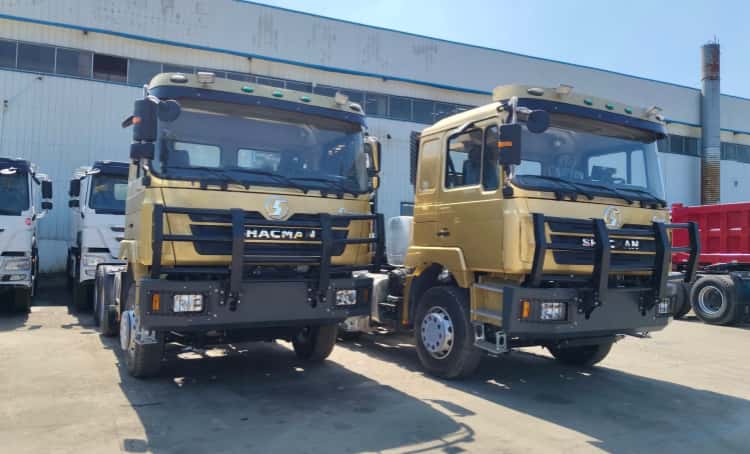
- Every structural metal part receives flaw detection to spot fatigue accumulated from past heavy‑duty usage. Worn moving internals are swapped for qualified replacements, while eligible cast housings go through precision refurbishment.
- After system tuning covering power delivery, gear shift smoothness and brake responsiveness, each unit completes real‑world road validation.
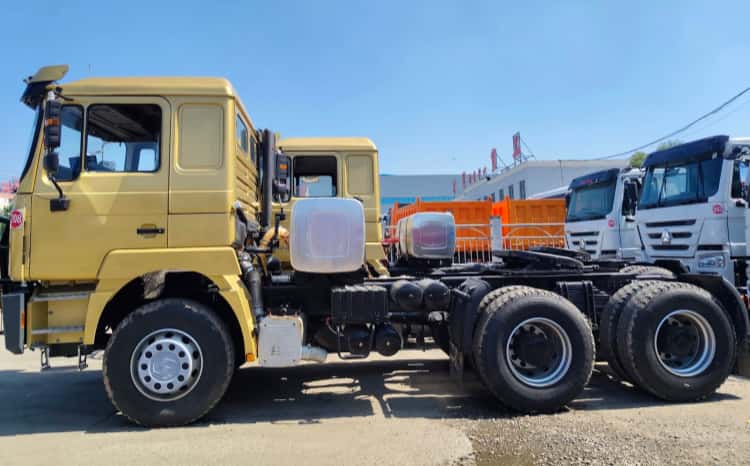
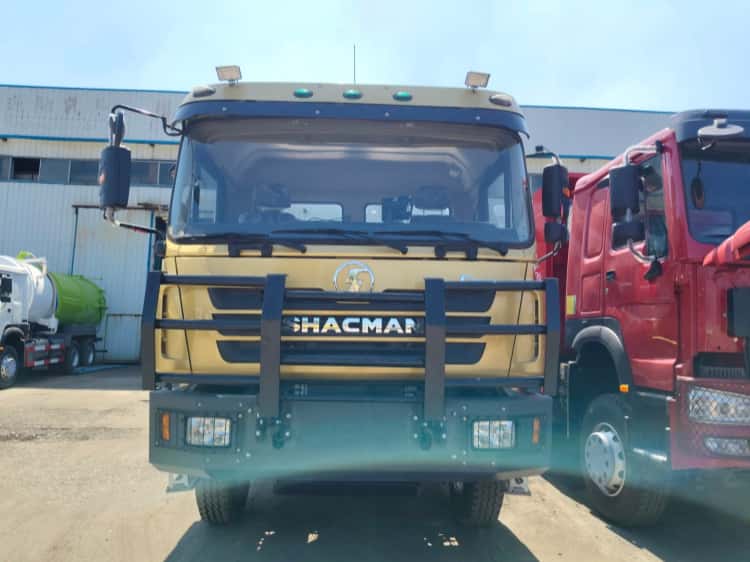
- REMAN ROAD reman SHACMAN tractor truck adapts well to container haulage, bulk commodity and heavy semi‑trailer assignments, allowing overseas fleet operators to cut capital spending while preserving reliable onsite uptime.
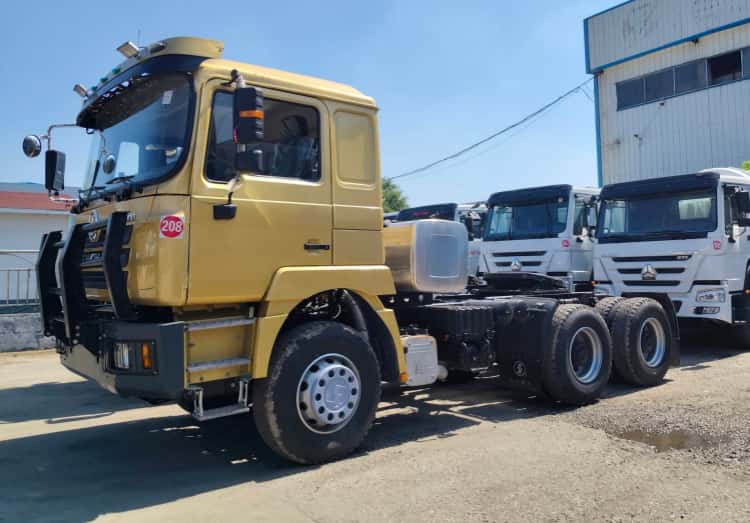
TRUCK REMANUFACTURING PARAMETER TABLE
- Overall Dimension (mm): 6880×2490×3380; main frame magnetic particle flaw inspection finished, torsion‑prone sections reinforced
- Axle Configuration: 6×4; heavy‑duty SHACMAN drive axles fully disassembled, bearing assemblies and oil seals renewed
- Tyre Spec: 12.00R20 heavy‑duty radial tyres; wheel hubs inspected and reconditioned
- Engine: Remanufactured Weichai series diesel engine; cylinder block assessed, valve train reworked, fuel injection system recalibrated
- Transmission: Rebuilt manual gearbox; worn friction assemblies replaced, gear backlash precisely fine‑tuned
- Suspension: Heavy‑duty leaf‑spring suspension; spring fatigue screening completed, axle load distribution calibrated
- Fifth‑Wheel Assembly: Full disassembly and wear resurfacing; locking hardware renewed, centralized lubrication circuit rebuilt
- Air‑Brake System: Air chambers, relay valves and pipeline fittings renewed; pressure retention and leakage validation passed
- Fuel Tank: Large‑capacity steel fuel tanks, interior cleaning and anti‑rust treatment, sealing fittings replaced
- Driver Cabin: Sealing reconstruction, instrument cluster inspection, air‑conditioning system overhaul, interior trim renewed, noise insulation optimized
- Remanufacturing Acceptance Standard: Module‑level disassembly, component classification screening, engine bench test, full‑load road validation, traceable reman archive supplied
STANDARDIZED REMANUFACTURING PROCESS
- Step 1. Pre‑teardown comprehensive functional audit
Run full system diagnosis for incoming SHACMAN F3000 tractor, record powertrain performance, brake working condition and frame deformation signs, mark potential risk points before module disassembly. - Step 2. Module disassembly & component qualification screening
Dismantle truck into independent major assemblies, thoroughly clean every spare part. Cast housings undergo non‑destructive flaw detection; components with fatigue, cracking or permanent deformation get scrapped. Repairable reusable parts receive precision refurbishment, all high‑risk wearing assemblies adopt qualified replacement components. - Step 3. Structural restoration, reassembly and system matching
Reinforce frame vulnerable torsion sections, reassemble all modules. Complete powertrain‑transmission‑drive axle matching calibration, adjust gear‑shift logic, brake pressure output and fifth‑wheel locking pre‑tension. - Step 4. Multi‑dimensional performance verification & final delivery
Complete engine bench test, static air‑brake pressure‑holding test, full‑load traction simulation and real‑road driving inspection. Units satisfying all performance indicators receive cabin finishing and repainting, with complete traceable reman archives sorted for hand‑over.
FULL‑LIFECYCLE TOTAL COST ANALYSIS
When calculating total expenditure covering initial acquisition, scheduled maintenance, unplanned failure repairs, operational downtime losses and residual asset value across the whole service cycle:
- Brand‑new SHACMAN F3000 tractors deliver excellent original‑state reliability yet demand substantial capital input, with steep early‑stage depreciation eroding asset value within the first several working years.
- Plain used SHACMAN F3000 trucks carry low entry‑level costs, yet unknown prior overloading and rough‑road service history often hide structural and powertrain defects; sudden in‑transit component failures trigger costly emergency fixes and cargo delay losses, while vague overhaul background brings huge uncertainty for future resale valuation.
- Refurbished SHACMAN F3000 trucks only resolve visible faults while leaving deep‑seated material fatigue untouched, so maintenance expenditure rises sharply after limited operating mileage.
- REMAN ROAD reman SHACMAN tractor truck achieves balanced lifecycle economics. Its purchase cost sits well below brand‑new counterparts; standardized remanufacturing workflows eliminate latent mechanical and structural hazards, cutting unplanned downtime and emergency repair outlay. Comprehensive traceable reman records enable objective asset assessment, allowing the truck to hold reasonable residual value upon resale and generate stable long‑term returns for commercial fleets.
FAQ
- Q1. What key gaps exist between your industrial reman SHACMAN tractor truck and those simple cosmetic‑refurbished units circulating across global used‑truck markets?
A. Cosmetic refurbishment mostly addresses visible defects and outer appearance without complete module disassembly, numerous hidden fatigue risks remain inside core assemblies. REMAN ROAD reman process takes apart every critical module, carries out non‑destructive structural inspection, screens each component one by one, replaces fatigued high‑risk parts, and implements bench test plus dynamic load verification. We evaluate quality by mechanical performance rather than exterior finish. - Q2. For heavy cast components including engine cylinder block and axle housing on SHACMAN F3000, under which circumstances will you reuse original housings, and when will you discard them outright?
A. Original cast housings can only be reused after passing non‑destructive flaw detection and dimensional measurement, with zero cracks, permanent distortion or metal fatigue detected. If micro‑cracks or deformation are spotted, we scrap the housing directly instead of reassembling it for cost control. Reused housings also go through deep cleaning and precision reconditioning before installation. - Q3. Can every reman‑processing link of my ordered reman SHACMAN tractor truck form traceable documentation? What content will the reman archive contain?
A. Each individual reman SHACMAN tractor truck has its exclusive reman file. It covers incoming vehicle condition record, frame flaw‑detection report, engine bench‑test outcome, log for reused or swapped key components, as well as final road‑test data. All these documents can be supplied together with the truck. - Q4. Multiple vendors label simple refurbished trucks as remanufactured. What tangible proof can you provide to confirm this is genuine reman output instead of basic repair work?
A. Authentic remanufacturing delivers three sets of objective technical evidence: module‑disassembly inspection record, engine bench‑test report, full‑load dynamic test log. Purely refurbished trucks cannot produce these technical papers. Third‑party witness inspection inside our workshop prior to shipment is supported.