
Key Configuration Parameters of Remanufactured Truck Trailers
Explore vital configuration parameters for certified remanufactured trucks and semi‑trailers, covering frame, powertrain, axle, brake, suspension and landing‑gear technical specifications.
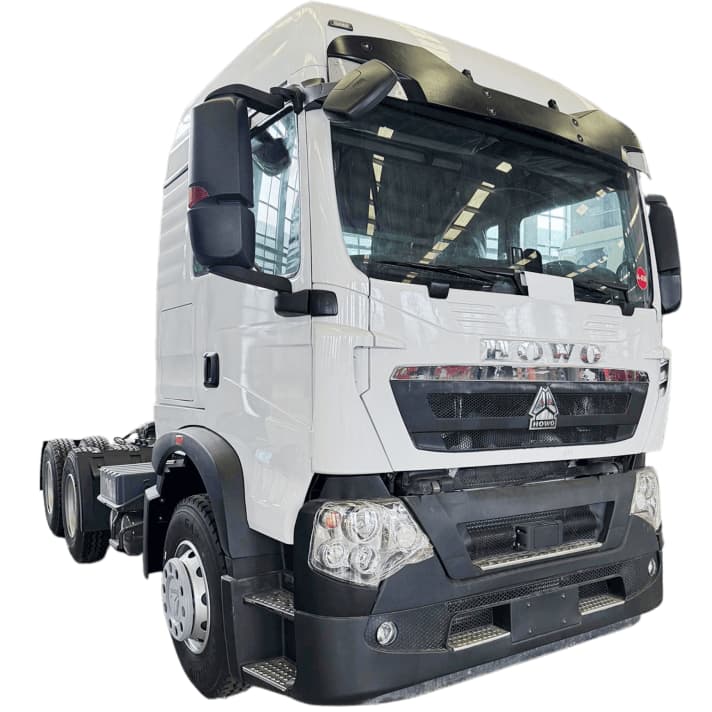
OVERVIEW
Qualified remanufactured trucks tractor and trailers are not simply repainted second‑hand gear. Every key assembly is inspected, calibrated or replaced in accordance with industrial remanufacturing benchmarks. This article separately sorts core configuration parameters for remanufactured trucks tractor and matched semi‑trailers, explains reman‑upgrade requirements, compares parameter gaps among used, refurbished and certified reman‑equipment, and states how matched‑up configurations benefit daily cargo‑hauling operations.
TABLE OF CONTENTS
- Operational Advantages of Standard‑Compliant Remanufactured Truck Trailer Configurations
- Key Configuration Parameters of Remanufactured Trucks Tractor
- Key Configuration Parameters of Remanufactured Trailers
- Remanufactured Truck Trailer Matching Parameter Requirements
- Remanufacturing Process for Reman Truck and Trailer
- Used, Refurbished and Remanufactured Truck Trailers Comparison
- About REMAN ROAD: Brand Position, Vision & Core Principles
RELATED ARTICLES | CLICK TO VIEW MORE
Operational Advantages of Standard‑Compliant Remanufactured Truck Trailer Configurations
Standardized and fully calibrated configuration parameters are not just technical indicators, but core guarantees for long-term, low-cost, high-safety fleet operation. Unlike uncalibrated used and refurbished truck-trailer sets with random parameters, REMAN ROAD standard-compliant reman truck and trailer configurations deliver tangible, practical operational advantages for commercial haulage, mining and cross-border logistics fleets.
Stable Full-Set Coordinated Performance
- All core parameters of the tractor powertrain, chassis and trailer load-bearing structure are uniformly restored to factory specifications.
- The perfectly matched remanufactured trucks trailers parameters eliminate uncoordinated power output, asynchronous braking and structural jitter issues, ensuring stable operation under continuous heavy-load and bumpy road conditions.
Sharp Reduction in Fleet Maintenance Costs
- Full replacement of worn parts and precise parameter calibration avoid abnormal component wear and frequent failures caused by mismatched configurations.
- Fleets can effectively cut daily maintenance frequency, spare parts replacement costs and vehicle downtime losses caused by hidden mechanical faults.
Improved Transport Safety & Compliance
- Standardized brake system parameters, structural load limits and electrical system configurations meet international road transport safety standards.
- Synchronized braking and stable load-bearing performance greatly reduce driving risks, while complete parameter test records support overseas customs clearance and safety inspection compliance.
Extended Full-Set Service Life
- Systematic parameter correction eliminates structural stress concentration, frame deformation and component friction abrasion caused by irregular parameters.
- The overall service life of the remanufactured truck trailer combination is significantly longer than ordinary refurbished units, improving fleet asset utilization.
Flexible Adaptability for Diverse Operation Scenarios
- Standardized baseline configurations support targeted parameter adjustment and customization, adapting to multiple operation scenarios including container logistics, bulk cargo transportation and off-road mining haulage.
- It helps fleets match different business needs without additional large-scale equipment modification.
Reliable Asset Resale Value
- Complete, standardized configuration parameter files and formal remanufacturing qualification records make the remanufactured truck trailer set traceable in quality.
- Compared with unstandardized rebuilt vehicles, it retains more stable residual value and brings higher return on asset turnover for fleet operators.
Key Configuration Parameters of Remanufactured Trucks Tractor
The tractor truck undertakes power output, traction and road driving tasks. Its core configuration parameters directly determine power stability, fuel economy and driving safety after remanufacturing.
Powertrain Assembly Parameters
The powertrain is the heart of the tractor truck. All worn power components must be inspected and replaced strictly according to reman standards to ensure near-new power performance.
- Engine rated horsepower and torque output range calibration
- Cylinder block, piston and crankshaft wear tolerance inspection
- Fuel injection system cleaning, debugging and parameter correction
- Gearbox gear wear limit and synchronizer replacement standard
- Clutch pressure plate and friction plate overhaul and renewal specifications
Chassis & Frame Structural Parameters
The truck chassis supports the whole vehicle weight and bears long-term traction impact. Structural parameter calibration avoids deformation and fracture risks.
- Longitudinal beam straightness correction standard
- Maximum traction load technical index
- Frame sandblasting and anti-corrosion coating thickness requirement
- Cross beam reinforcement and structural stability standard
Axle, Suspension & Steering Parameters
Steering and suspension parameters determine driving stability and road adaptability, especially for long-distance heavy-load transportation.
- Front and rear drive axle rated load capacity
- Wheel hub bearing wear limit detection
- Leaf spring or air suspension fatigue resistance index
- Steering gear clearance calibration and steering rod wear inspection
Brake & Electrical System Parameters
Brake and electrical systems belong to core safety configurations. All aging parts must be updated to ensure full-road driving safety.
- Air brake valve assembly specification and pipeline tightness test
- ABS system normal operating parameters
- Emergency brake response time standard
- Circuit aging inspection and complete lighting system calibration
Key Configuration Parameters of Remanufactured Trailers
Semi-trailers undertake main cargo load-bearing tasks. Their core parameters focus on structural stability, load capacity and heavy-load safety performance.
Load-Bearing Main Frame Parameters
The main beam is the most critical load-bearing structure of the trailer. All deformed structures need straightening and reinforcement to restore factory load standards.
- Main beam metal yield strength standard
- Girder straightness tolerance after correction
- Rated heavy-load carrying capacity index
- Welding seam reinforcement and overall anti-rust treatment standard
Trailer Axle & Wheel Assembly Parameters
Trailer axles bear repeated heavy-load impact and road vibration. Worn hub and brake parts must be fully replaced during remanufacturing.
- Single axle rated load capacity specification
- Wheel hub sealing kit full renewal standard
- Brake drum and brake disc wear limit inspection
Suspension, Landing Gear & Kingpin Parameters
These connecting and supporting components determine trailer balance, parking stability and tractor-trailer matching accuracy.
- Leaf spring thickness and anti-fatigue standard
- JOST heavy-duty landing gear static load and lifting stroke parameters
- Kingpin wear tolerance and locking device inspection standard
Trailer Brake & Auxiliary Fittings Parameters
Trailer brake coordination and auxiliary configurations ensure synchronous braking and overall driving safety of the whole vehicle set.
- Brake pipeline air tightness and anti-leakage test standard
- ABS synchronous braking working index
- Tire load rating and cargo locking device configuration standard
Remanufactured Truck Trailer Matching Parameter Requirements
Many rebuilt vehicle sets have unstable performance due to mismatched parameters. Certified remanufacturing strictly calibrates the compatibility between remanufactured trucks trailers to ensure coordinated operation of the whole vehicle.
Remanufacturing Process for Reman Truck and Trailer
All REMAN ROAD reman truck and trailer remanufacturing procedures are based on parameter detection and recovery, not simple manual repair. Every configuration index has standardized correction steps.
Used, Refurbished and Remanufactured Truck Trailers Comparison
The essential difference between the three types of vehicles lies in whether the core configuration parameters are detected, updated and restored to factory standards.
Ordinary Used Trucks & Trailers
- Used vehicles retain all natural wear parameters without any calibration.
- Multiple core components exceed safe limits, resulting in unstable power, poor braking performance and hidden structural risks.
Simply Refurbished Trucks & Trailers
- Refurbishment only repairs visible faults and optimizes appearance.
- Most hidden aging parameters are not processed, and tractor-trailer matching parameters are not debugged, leading to low overall stability.
Remanufactured Truck Trailers
- All key parameters of truck power, chassis, trailer structure and braking system are fully restored and calibrated.
- The whole remanufactured trucks trailers set achieves near-new parameter consistency and operational stability.
About REMAN ROAD: Brand Position, Vision & Core Principles
Understand REMAN ROAD’s brand positioning, long-term industry vision and unchanging core standards that separate us from ordinary refurbished workshops.
Core Brand Positioning: Trusted Middle Link For Heavy-Duty Reman Assets
We aim to become the global trusted credibility channel for heavy asset remanufacturing. Our core value lies in linking suppliers and worldwide mining & logistics fleets with unified quality supervision and transparent standards, instead of positioning ourselves as a single production workshop.
Long-Term Brand Vision
To standardize the disordered heavy-duty reman market globally via reliable credibility channels, eliminate low-quality superficial rebuild chaos, and provide risk-free, cost-effective heavy transport asset trading channels for all international contractors.
Three Core Operating Principles
We uphold full transparency of all reman records, unified global quality control standards, and long-term win-win partnership value, never prioritizing one-time short sales profit over buyer trust.