Reman HOWO 6×4 Truck‑Mounted Crane
REMAN ROAD reman crane truck‑mounted implements full‑module disassembly for both chassis and crane superstructure. Core chassis assemblies complete load simulation testing, while crane boom, hydraulic cylinders and outrigger assemblies are inspected, refurbished and pressure‑validated, delivering stable lifting and hauling performance for frequent site material‑handling assignments.
REMAN CRANE TRUCK DESCRIPTION
- Geared toward construction contractors, mining auxiliary operations and logistics teams needing combined lifting and hauling capability, REMAN ROAD reman truck crane‑mounted goes far beyond basic surface repainting.
- The complete vehicle is split into heavy‑duty HOWO chassis and XCMG crane superstructure for separate disassembly, cleaning and technical assessment.
- Non‑destructive flaw detection is carried out on main frame, cross‑members, crane mounting base and outrigger connection points to locate metal fatigue and micro‑cracks accumulated from repeated lifting shock and road vibration.
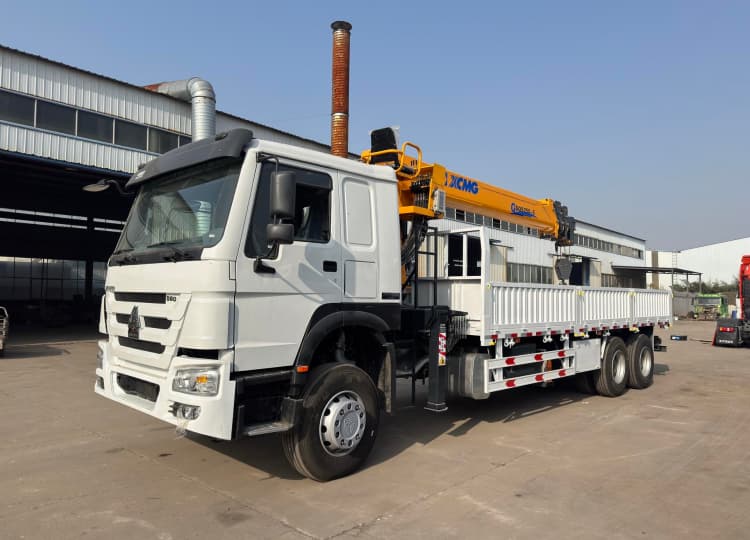
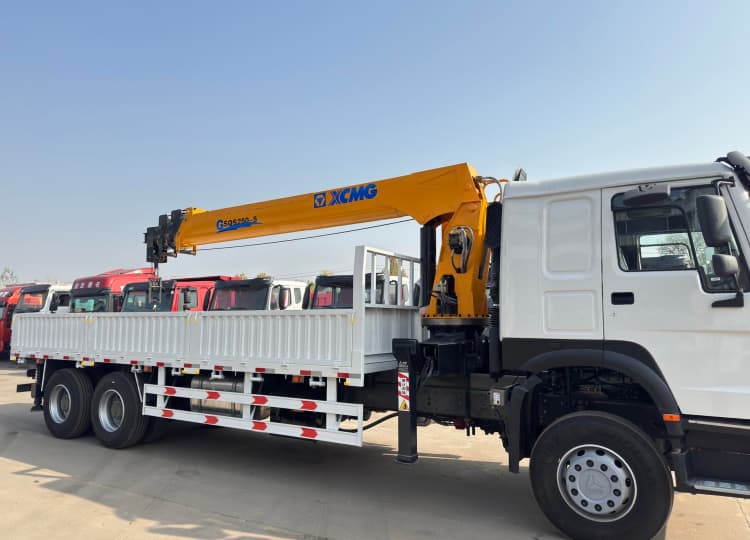
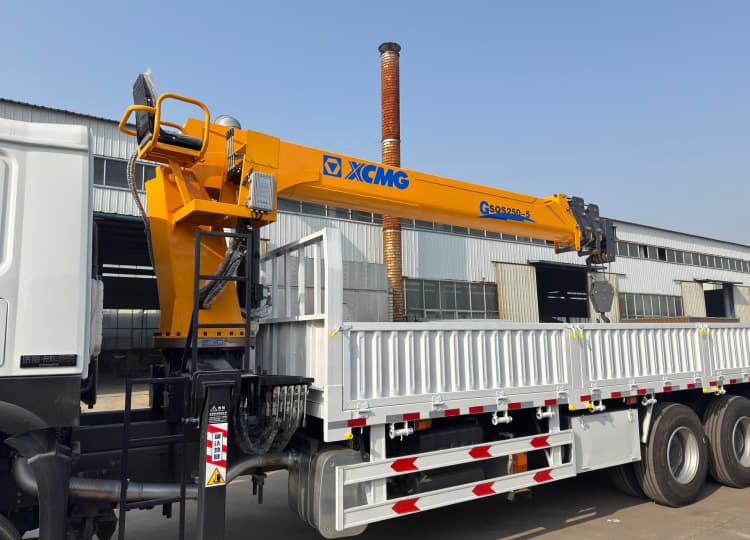
- On the chassis side, worn powertrain, steering and brake consumable components are replaced with certified spare parts. For the crane upper unit, boom segments are checked for crack risk; aging hydraulic hoses, seal assemblies and extension cylinders are fully renewed; high‑stress welds on outriggers and mounting base are reinforced.
- After coordinated tuning of chassis power output, brake performance and multi‑stage hydraulic lifting pressure, the finished reman Howo crane truck undergoes static outrigger support test, full‑boom extension test, rated‑load lifting test and full‑load road validation.
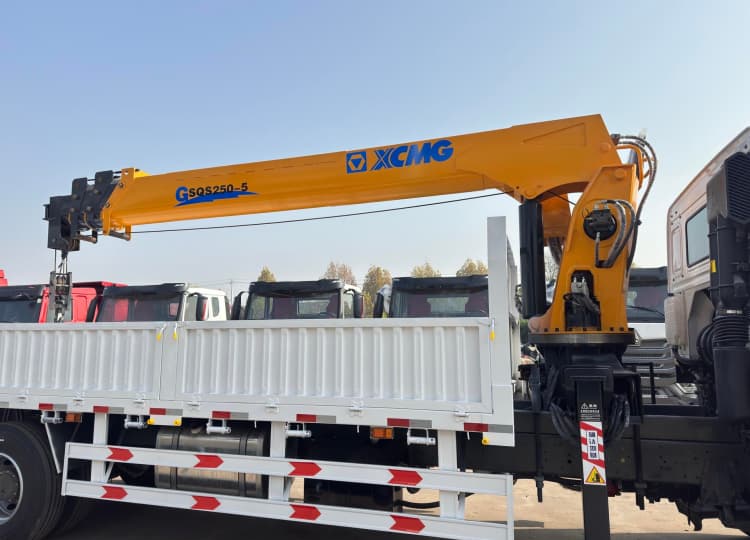
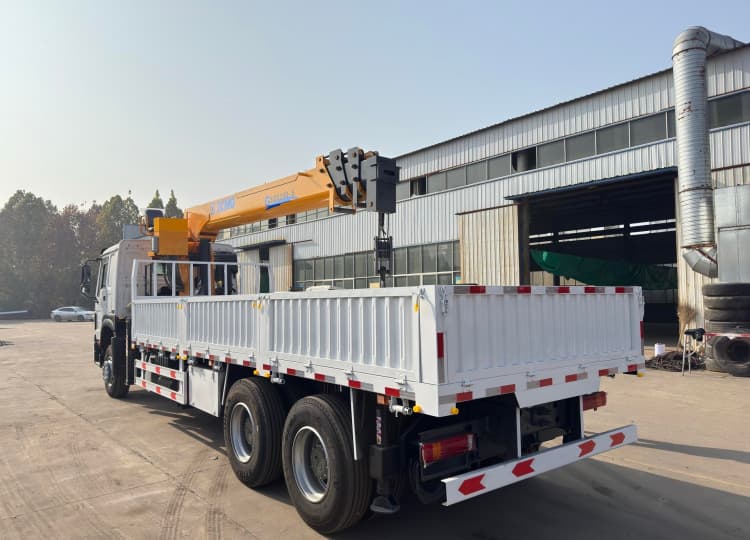
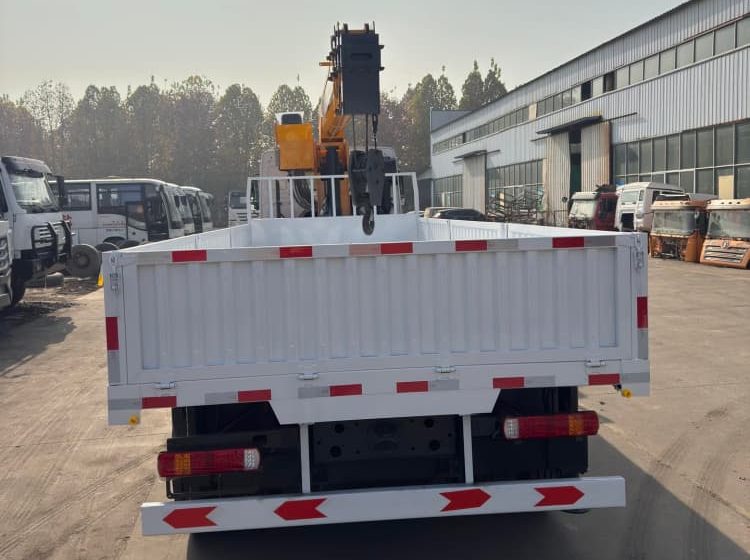
TRUCK REMANUFACTURING PARAMETER TABLE
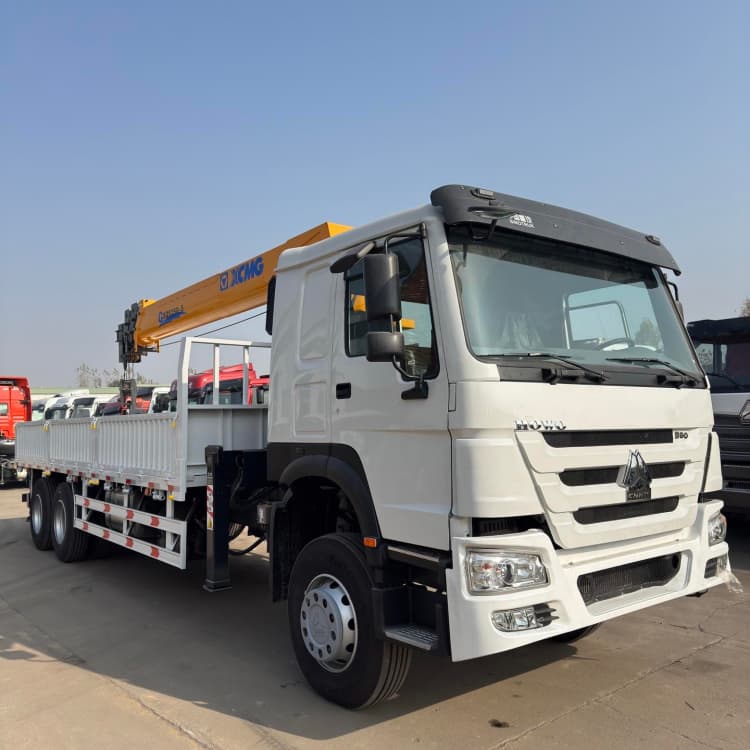
- Model: Reman Howo Truck Mounted 6×4 with XCMG 11-ton Boom
- Axle Configuration: 6×4; heavy‑duty HOWO axles fully disassembled, bearing sets and oil seals renewed
- Tyre Spec: 12.00R20 heavy‑duty highway‑pattern tyres; wheel hubs inspected and torque‑calibrated
- Engine: Remanufactured Weichai diesel engine; cylinder block inspection, valve‑train overhaul, fuel injection parameters recalibrated
- Transmission: Rebuilt heavy‑duty manual gearbox; worn friction components replaced, gear backlash precisely adjusted
- Suspension: Heavy‑duty leaf‑spring suspension; spring fatigue screening completed, suspension geometry recalibrated
- Steering System: Steering gear overhaul, sealing elements replaced, steering free‑play fine‑tuned
- Air‑Brake System: Air chambers, relay valves and pipeline fittings renewed; long‑duration pressure‑holding & leakage test passed
- Fuel Tank: Steel fuel tank, interior descaling and anti‑rust treatment, all sealing connectors replaced
- XCMG Crane Superstructure: Boom segment crack inspection, key weld joints reinforced; full renewal of hydraulic hoses, seal kits and extension cylinders; outriggers overhauled, support foot pads replaced; hydraulic high‑pressure leakage test, rated‑load lifting test completed
- Flat Cargo Body: Side rail and floor deformation correction; cracked welds reworked, latch assemblies renewed
- Cabin: Sealing reconstruction, instrument calibration, air‑conditioning overhaul, interior trim refreshed
STANDARDIZED REMANUFACTURING PROCESS
- Step 1. Pre‑teardown dual‑system comprehensive diagnosis.
Inspect HOWO chassis and XCMG crane superstructure independently. Record chassis powertrain, steering and brake operating status; meanwhile check boom telescoping action, hydraulic leakage, outrigger extending performance and lifting response, mark high‑stress positions caused by lifting impact before disassembly. - Step 2. Separate disassembly, deep cleaning and component evaluation.
Detach crane superstructure from chassis. Dismantle chassis into powertrain, steering, brake and suspension assemblies; disassemble boom sections, hydraulic circuits, telescopic cylinders and outrigger mechanisms. Thoroughly clean all mechanical and hydraulic parts. Perform non‑destructive flaw scanning for main frame, crane mounting base and boom weld seams. Scrap components with cracks or permanent deformation. Reusable metal parts receive precision refurbishment; all hydraulic seals, hoses and wear‑prone parts adopt certified replacement spares. - Step 3. Structural reinforcement, reassembly and hydraulic commissioning.
Reinforce chassis cross‑members, crane mounting base and outrigger weld joints. Reassemble chassis assemblies and complete powertrain‑axle matching. Restore boom sections, fit brand‑new hydraulic consumables, reassemble outrigger and telescopic mechanisms. Debug chassis brake‑steering system and adjust multi‑stage hydraulic lifting‑pressure parameters. - Step 4. Combined performance verification & document archiving.
Complete engine bench test, chassis full‑load road test, hydraulic high‑pressure leak test, static outrigger bearing test, full‑boom extension test and rated‑load lifting simulation test. Passing all inspections triggers cabin and exterior finishing. Integrate chassis and crane overhaul logs into one unified traceable reman archive for customer hand‑over.
FULL‑LIFECYCLE TOTAL COST ANALYSIS
When calculating total expenditure covering initial procurement, routine site maintenance, unexpected breakdown repair expense, operational downtime losses and residual resale value across the whole service cycle:
- Brand‑new truck‑mounted cranes deliver factory‑grade performance yet require substantial capital outlay and suffer sharp depreciation once put into cyclic construction work.
- Second hand used crane trucks carry low upfront cost, but frequently hide frame fatigue, boom micro‑cracks and degraded hydraulic components from prior heavy lifting tasks; sudden functional failures often emerge under site load, triggering costly emergency repairs and project delay risks, while incomplete service records create large uncertainty for future resale value.
- Basic refurbished crane trucks only remedy obvious oil leaks and refresh exterior paint, without systematic non‑destructive inspection for load‑bearing structures, so concealed safety hazards persist under repeated lifting shock.
- REMAN ROAD rreman truck mounted crane achieves balanced full‑lifecycle economic returns. Its purchase cost stays well below new‑equipment levels; standardized remanufacturing workflows eliminate latent structural and hydraulic risks, cutting unplanned downtime and emergency repair spending. Complete traceable reman documentation supports fair asset appraisal, allowing the machine to retain decent residual value after years of material‑handling operations, bringing stable economic gains for small‑and‑medium construction enterprises.
FAQ
- Q1. What core differences separate your reman crane truck‑mounted from ordinary refurbished crane trucks in the market?
A. Simple refurbishment only fixes visible hydraulic leakage and repaints surface parts, without non‑destructive crack detection for boom, crane mounting base and vehicle frame. REMAN ROAD truck reman process separates chassis and crane superstructure for full disassembly inspection, replaces aging hydraulic consumables, and conducts formal rated‑load lifting testing, prioritizing structural safety under repeated lifting impact. - Q2. Will you replace the original XCMG boom during remanufacturing? Can lifting capacity be modified?
A. We retain original XCMG boom assembly only after passing strict crack inspection and weld reinforcement. We cannot alter rated lifting capacity; modifying load parameters will destroy original structural safety design and is not permitted. - Q3. Which assemblies are reused and which parts are fully replaced for this reman truck mounted crane?
A. Chassis frame, cargo flatbed and boom main sections are kept only after flaw‑detection and dimensional qualification. All hydraulic hoses, seal kits, cylinder wearing components, bearings and rubber accessories are swapped for certified brand‑new spares. Reusable mechanical hardware undergoes deep cleaning and precision refurbishment before reassembly. - Q4. What delivery‑inspection items will be performed, and can we obtain corresponding test records?
A. We complete engine bench test, chassis full‑load road test, hydraulic high‑pressure leak test, outrigger static bearing test, full‑boom extension test and rated‑load lifting simulation test. All reman truck crane test data and key‑component replacement logs are compiled into reman archive and provided alongside the vehicle.