
REMAN ROAD Full Trailer Remanufacturing Process
Learn the REMAN ROAD full standard trailer remanufacturing process, including structural correction, component renewal, anti-corrosion treatment and 72-hour full-load testing.
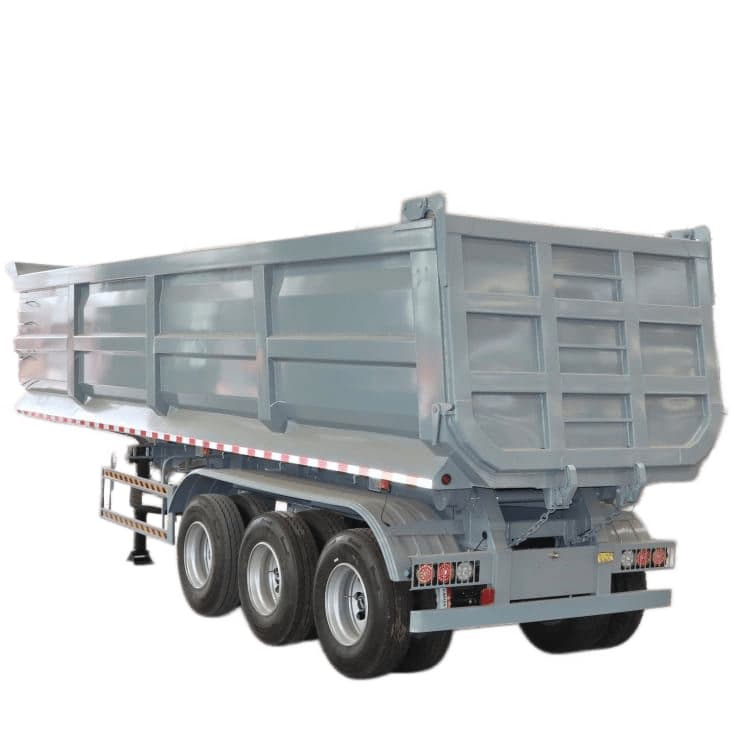
OVERVIEW
Most fleet buyers underestimate the importance of professional semi trailer remanufacturing, often treating simple repainting and minor part repairs as qualified renovation. Ordinary surface refurbishment cannot eliminate hidden structural fatigue, axle wear, frame deformation and braking system defects accumulated during long-term heavy-load transportation. REMAN ROAD semi trailer remanufacturing is a full-set, factory-grade industrial reconstruction process that strictly follows standardized technical procedures to restore old semi-trailers to near-new load-bearing performance, structural stability and long service life. This article fully breaks down the complete trailer remanufacturing workflow, from pre-production evaluation and full disassembly to structural reinforcement, system debugging and full-load testing, helping customers distinguish certified reman trailers from low-quality refurbished trailers.
TABLE OF CONTENTS
- Step 1: Pre-Production Trailer Condition Inspection & Qualification Evaluation
- Step 2: Complete Full-Trailer Disassembly & Deep Industrial Cleaning
- Step 3: Structural Inspection, Correction & Weld Reinforcement
- Step 4: Core Functional Component Renewal & Assembly Calibration
- Step 5: Overall Anti-Corrosion Treatment & Standard Spraying
- Step 6: Full-System Parameter Debugging & Matching Adjustment
- Step 7: 72-Hour Full-Load Endurance Simulation Test
- Step 8: Final Comprehensive Inspection, Filing & Delivery
- Core Differences: Remanufactured Trailer VS Refurbished Trailer
- About REMAN ROAD: Brand Position, Vision & Core Principles
RELATED ARTICLES | CLICK TO VIEW MORE
- Why Reman Truck Trailers Combos Benefit Your Transport Fleet?
- Remanufactured Truck Trailers VS Cheap Refurbished Equipment
- New, Used, Refurbished or Reman Vehicle: Buying Guide
- Remanufactured Vehicle Total Cost of Ownership Analysis
- Remanufactured Equipment Depreciation & Resale Value Comparison
- Fleet Operating Cost Comparison: New VS Used VS Refurbished VS Reman Equipment
Step 1: Pre-Production Trailer Condition Inspection & Qualification Evaluation
Strict pre-inspection is the primary step to ensure remanufacturing quality. It screens qualified trailer base frames, eliminates irreparable severely damaged units, and formulates targeted reconstruction plans according to actual wear conditions.
Base Frame Qualification Screening:
Thoroughly detect the integrity of the trailer main beam, cross beams, overall frame structure and welding seams. Eliminate trailers with irreversible beam fracture, severe structural distortion and long-term overload damage that cannot be fully repaired.
Full Parameter Detection & Recording:
Accurately test frame flatness, axle wear tolerance, leaf spring elasticity, brake system sensitivity, kingpin verticality, landing gear lifting performance and tire wear status, forming a complete original trailer wear data report.
Custom Trailer Reman Plan Formulation:
Combine the trailer’s service life, historical operating scenarios (cargo haulage, mining transportation, container transportation) and wear degree to formulate exclusive structural repair, component replacement and performance recovery standards.
Step 2: Complete Full-Trailer Disassembly & Deep Industrial Cleaning
Full disassembly and deep cleaning are the core dividing line between professional semi trailer remanufacturing and simple refurbishment. This step completely strips all accessories to expose invisible structural fatigue and internal component aging.
Complete Step-by-Step Disassembly:
Fully disassemble all trailer accessories including axles, suspension systems, leaf springs, brake drums, air pipelines, landing gear, kingpin assembly, side panels and bottom plates, and classify all parts into reusable, repairable and mandatory replacement categories.
Professional Deep Cleaning & Derusting:
Adopt industrial sandblasting and high-pressure degreasing cleaning to thoroughly remove surface rust, oil stains, sediment and long-term cargo corrosion traces on the frame and components, completely exposing metal fatigue points and tiny welding cracks.
Secondary Component Recheck & Classification:
Re-inspect all cleaned structural parts and functional accessories to eliminate parts with hidden faults, ensuring no aging components flow into the reassembly process.
Step 3: Structural Inspection, Correction & Weld Reinforcement
The frame structure determines the trailer’s load-bearing capacity and operational safety. Long-term heavy-load and bumpy road operation easily cause frame deformation and stress concentration, which are completely repaired and optimized in this stage.
Precision Frame Straightening:
Use professional hydraulic straightening equipment to calibrate deformed main beams and cross beams, restoring the frame’s horizontal flatness and overall vertical balance to factory standards.
Weld Seam Repair & Reinforcement:
Polish aging and virtual welding seams, repair tiny cracks and trachoma defects, and perform multi-layer welding reinforcement on stress-concentrated positions such as beam connections and suspension fixing points to enhance overall structural toughness.
Local Structural Optimization:
For vulnerable areas prone to frequent wear and deformation, add reinforcing plates and auxiliary support structures to improve the reman trailer’s anti-fatigue and anti-deformation ability under long-term heavy-load operation.
Step 4: Core Functional Component Renewal & Assembly Calibration
Trailer axles, suspension and braking systems are the most vulnerable core components. Certified semi trailer remanufacturing implements strict full renewal standards to eliminate frequent failure risks of old accessories.
Axle & Hub System Renewal:
Replace severely worn axles, bearings, brake drums and hub assemblies with standard OEM-grade parts to restore stable load-bearing and rotating performance, avoiding eccentric wear and braking deviation.
Suspension & Leaf Spring Replacement:
Renew aging leaf springs, suspension brackets, balance arms and shock-absorbing parts to restore uniform suspension stress balance and improve road shock resistance.
Full Brake System Upgrade:
Replace aging air pipelines, brake valves, air chambers and sealing parts, and debug the overall air pressure circulation system to ensure sensitive and synchronous braking response.
Kingpin & Fifth-Wheel Matching Calibration:
Detect and calibrate kingpin verticality and rotation flexibility to ensure accurate matching with the tractor fifth wheel and avoid traction jamming and abnormal wear.
Step 5: Overall Anti-Corrosion Treatment & Standard Spraying
Anti-corrosion treatment is key to extending the trailer’s service life. Professional multi-layer spraying completely solves the problems of rusting and paint peeling in ordinary refurbished trailers.
Overall Sandblasting Rust Removal:
Perform comprehensive sandblasting on the entire frame to completely remove old paint, rust layers and oxide layers, forming a rough adhesive base for subsequent painting.
Multi-Layer Protective Spraying:
Apply anti-rust primer, intermediate anti-corrosion paint and weather-resistant finish paint layer by layer. Each layer is naturally cured and polished to form a dense protective layer.
Key Area Reinforced Protection:
Perform thickened anti-corrosion treatment on the frame bottom, welding seams and cargo contact areas that are prone to corrosion, adapting to humid, dusty and harsh transportation environments.
Step 6: Full-System Parameter Debugging & Matching Adjustment
After structural restoration and component assembly, systematic debugging ensures all reman truck functional modules operate coordinately, achieving stable load-bearing and safe braking performance.
Whole Reman Truck Levelness Debugging:
Adjust the suspension balance and axle height to ensure the trailer body is horizontal, realizing uniform load distribution and avoiding unilateral stress deformation.
Brake Synchronization Debugging:
Adjust air pressure balance and braking response speed to ensure uniform braking force on all axles, preventing braking deviation, tire skidding and tail flicking.
Landing Gear & Auxiliary System Debugging:
Test the lifting stability and load-bearing capacity of landing gear, and inspect lights, electrical systems and safety accessories to ensure full functional integrity.
Step 7: 72-Hour Full-Load Endurance Simulation Test
Long-cycle full-load testing is the core quality inspection standard for remanufactured trailers, verifying stable performance under simulated high-intensity actual working conditions.
Static Full-Load Pressure Test:
Apply rated heavy-load pressure on the reman trailer body for a long time to detect frame deformation, suspension fatigue and structural displacement, ensuring load-bearing safety.
Dynamic Road Simulation Test:
Simulate long-distance transportation, bumpy roads and frequent braking working conditions to test overall stability, braking reliability and anti-vibration performance.
Continuous 72-Hour Stability Monitoring:
Real-time monitor air pressure stability, braking sensitivity and structural changes to eliminate intermittent hidden faults that cannot be detected by simple trial runs.
Step 8: Final Comprehensive Inspection, Filing & Delivery
Strict final inspection and standardized filing ensure every remanufactured trailer has traceable quality and formal after-sales warranty qualifications.
Full-Indicator Re-Inspection:
Recheck frame structure, load-bearing performance, braking system, axle operation, suspension balance and appearance quality to ensure all indicators meet certified reman standards.
Complete Process Record Filing:
Sort out pre-inspection data, component replacement lists, calibration records and test reports to form independent quality files for each REMAN ROAD remanufactured trailer.
Fine Finishing & Delivery Arrangement:
Complete overall cleaning and detail finishing, and deliver complete certification documents, test reports and after-sales guarantee instructions.
Core Differences: Remanufactured Trailer VS Refurbished Trailer
The fundamental quality gap between certified reman trailers and ordinary refurbished trailers lies in process completeness and structural restoration standards, directly determining service life and operational safety.
Structural Processing Standard:
- Professional semi trailer remanufacturing includes full frame straightening, weld reinforcement and fatigue elimination;
- ordinary refurbishment only covers surface painting without repairing invisible deformation and structural fatigue.
Component Renewal Scope:
- REMAN ROAD trailer reman replaces all aging axles, brake and suspension fatigue parts;
- Cheap refurbishment retains original worn core components, leading to frequent breakdowns.
Performance Testing Standard:
- REMAN ROAD Reman trailers pass 72-hour full-load endurance testing with complete data records;
- Refurbished trailers only undergo simple idle inspection with no systematic performance verification.
Long-Term Operational Performance:
- REMAN ROAD Reman trailers restore near-new load-bearing capacity and structural stability with long service life;
- Refurbished trailers suffer rapid deformation, rust and performance attenuation after short-term heavy-load operation.
About REMAN ROAD: Brand Position, Vision & Core Principles
Understand REMAN ROAD’s brand positioning, long-term industry vision and unchanging core standards that separate us from ordinary refurbished workshops.
Core Brand Positioning: Trusted Middle Link For Heavy-Duty Reman Assets
We aim to become the global trusted credibility channel for heavy asset remanufacturing. Our core value lies in linking suppliers and worldwide mining & logistics fleets with unified quality supervision and transparent standards, instead of positioning ourselves as a single production workshop.
Long-Term Brand Vision
To standardize the disordered heavy-duty reman market globally via reliable credibility channels, eliminate low-quality superficial rebuild chaos, and provide risk-free, cost-effective heavy transport asset trading channels for all international contractors.
Three Core Operating Principles
We uphold full transparency of all reman records, unified global quality control standards, and long-term win-win partnership value, never prioritizing one-time short sales profit over buyer trust.